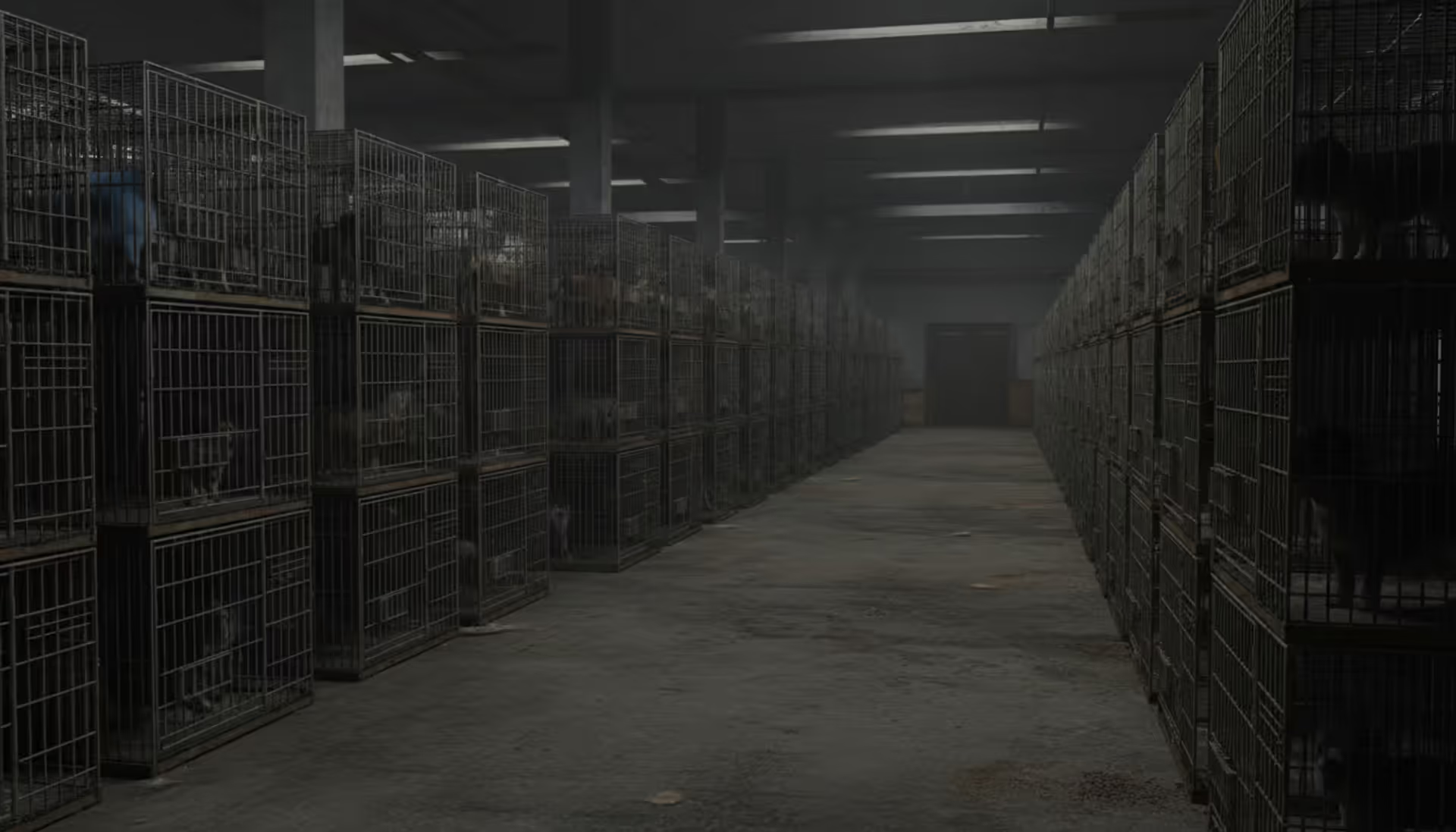
Dark industrial warehouse interior with rows of stacked wire dog cages containing small dogs, dim lighting, concrete floor, depicting a large-scale commercial puppy mill facility
Author: Daniel Whitmor;Source: jamboloudobermans.com
Millions of dogs spend their lives in facilities you'll never see advertised on Instagram. The breeding industry operates behind a veil that most puppy buyers never peek behind—and when investigators finally document what's happening inside these operations, the footage often gets flagged as too disturbing for social media platforms.
Here's what really happens when breeding becomes a business model instead of a commitment to animal welfare.
The Puppy Mill Problem in America
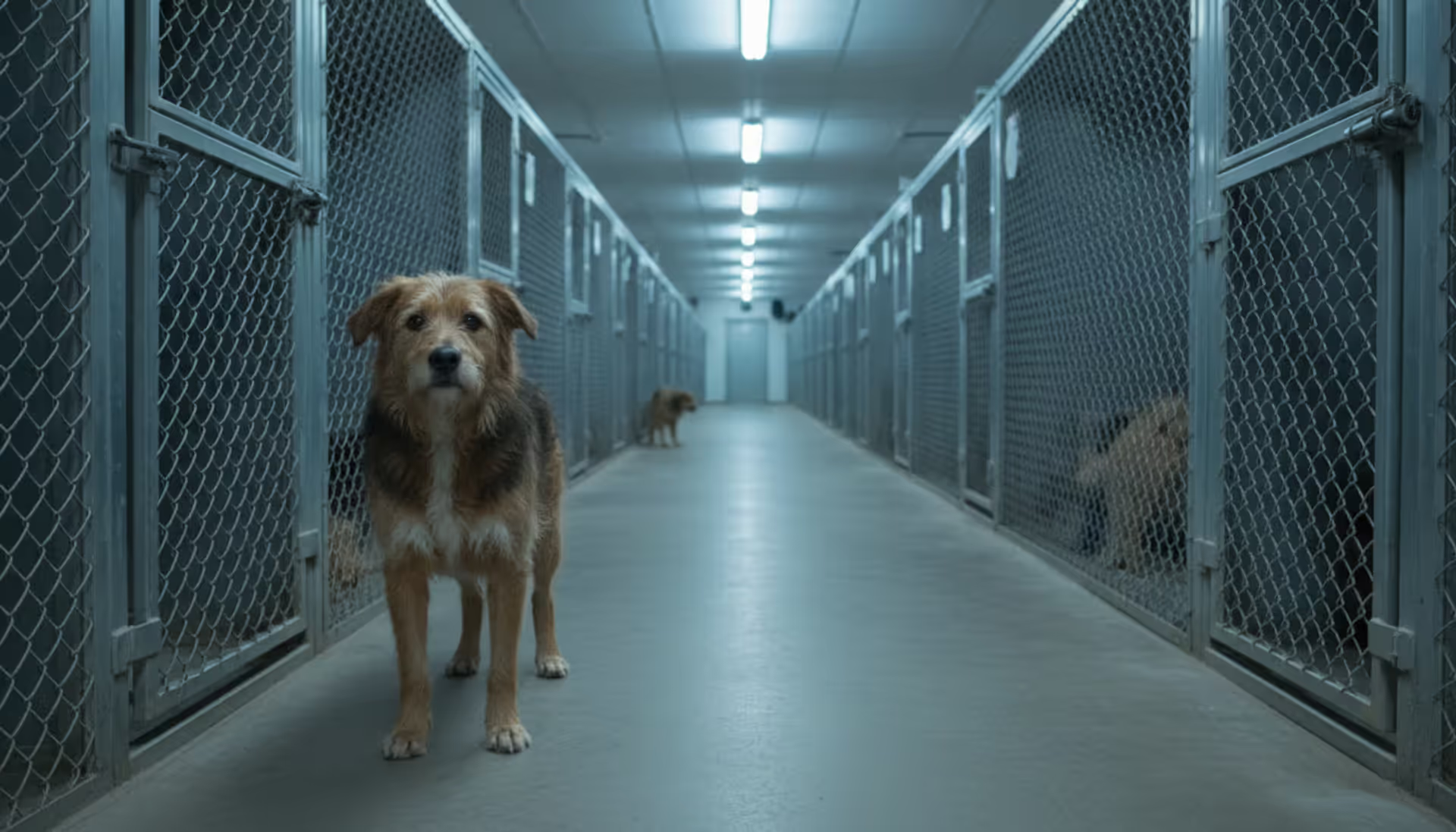
Walk into a puppy mill and you'll understand why operators don't post facility tours on their websites. These aren't quaint farms with puppies playing in sunny yards. They're warehouses packed with row after row of wire cages, each one holding a breeding dog who's never felt grass under her paws.
The scale shocks people when they learn the numbers. The Humane Society tracks approximately 10,000 puppy mills across the country, churning out close to 2 million puppies every year. What's worse? Most operate legally. Current regulations set such low standards that conditions we'd consider cruel actually meet legal requirements.
Breeding dogs in these facilities live their entire existence inside cages barely bigger than their bodies. No walks. No toys. Nobody speaks to them except during feeding or breeding. Female dogs get bred every single heat cycle—twice a year, year after year—until their bodies can't produce anymore. Usually happens around five or six years old. Then they're either killed or dumped at a shelter, their "useful" life over.
Puppies get yanked from their mothers at five or six weeks, sometimes earlier. That's weeks before they should leave, depriving them of critical socialization time and weakening their immune systems. But earlier weaning means more breeding cycles per year, which means more profit.
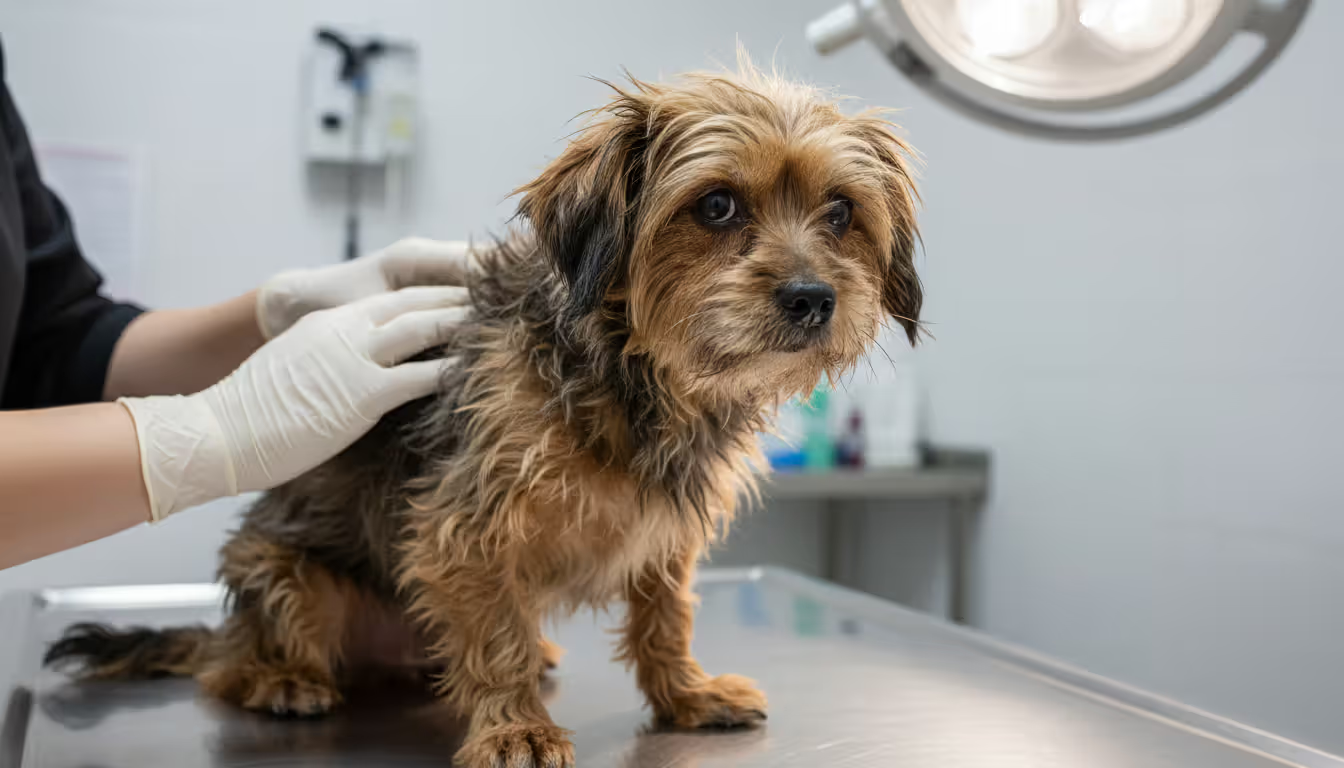
When authorities finally shut down puppy mill operations and document the evidence, the findings make you wonder how anyone could treat living creatures this way. Dogs with fur so matted it cuts off circulation. Infections that have festered for months or years. Teeth rotted completely out of their heads. Wounds that never received treatment. Some dogs have lived their entire lives—five, six, seven years—without ever leaving a three-foot cage.
Author: Daniel Whitmor;
Source: jamboloudobermans.com
The psychological damage runs even deeper than the physical neglect. Rescued breeding dogs often exhibit behaviors you'd associate with severe trauma—cowering from human touch, compulsive circling, inability to play or show affection. Many struggle to adapt to normal home life because they literally don't know how to be dogs.
Missouri, Pennsylvania, and Ohio house the heaviest concentrations of these operations, though every state has them. They cluster in rural areas where neighbors are far apart and inspectors are few. Then they sell puppies through pet stores, online marketplaces, and slick websites that show stock photos of happy puppies playing—never images of the parent dogs in cages.
Health Consequences of Irresponsible Breeding Practices
The problems don't end when a puppy leaves the mill. Health issues from poor breeding practices follow these dogs throughout their shortened lives.
Commercial breeders skip genetic health testing because it costs money and takes time. They breed whatever dogs they have on hand, concentrating harmful genes in their bloodlines with each generation. Popularity determines breeding decisions, not genetics.
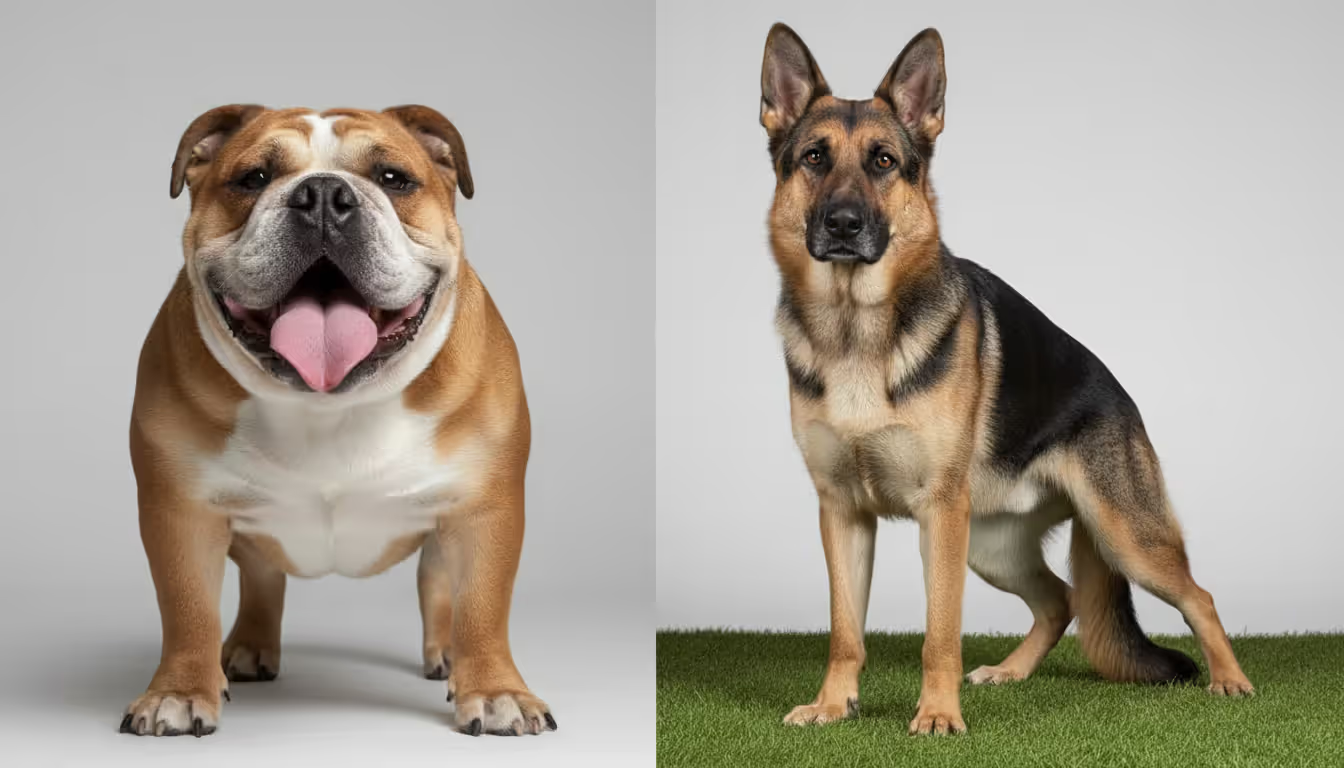
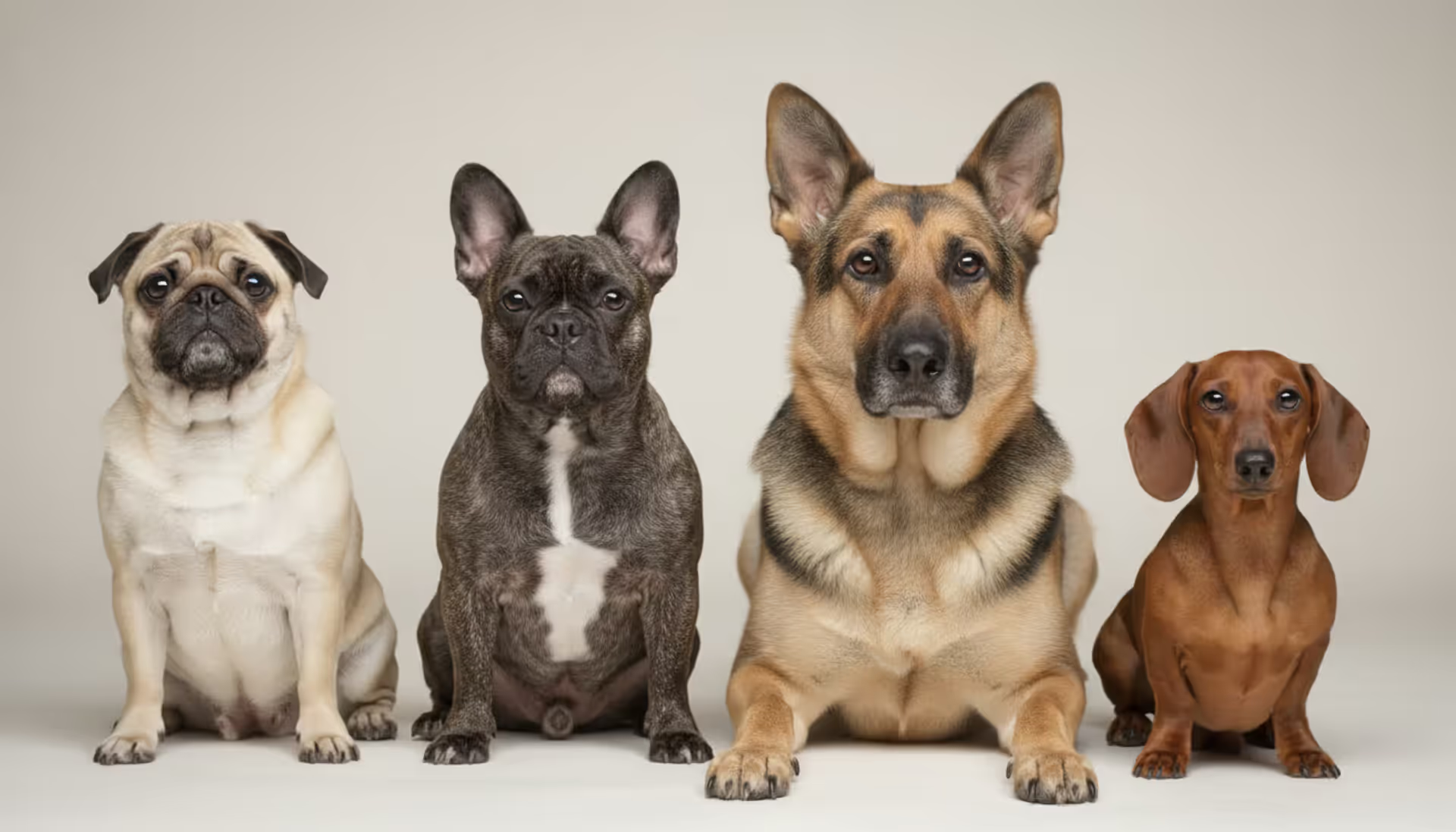
Look at English Bulldogs—deliberately bred with such flat faces that most can't breathe properly. They snore constantly not because it's cute, but because they're suffocating. Many need surgery just to get adequate oxygen. German Shepherds? The "ideal" sloped back that wins dog shows also guarantees hip dysplasia and arthritis. Cavalier King Charles Spaniels have skulls literally too small for their brains, causing excruciating headaches and neurological problems. Dalmatians carry deafness and urinary tract problems at rates that would be considered an epidemic in any other context.
These aren't violations of current regulations—they're breed standards. A Bulldog struggling to breathe meets specifications. A Dachshund with a spine so long it risks paralysis any time it jumps off furniture? That's desirable in the show ring.
Author: Daniel Whitmor;
Source: jamboloudobermans.com
Continuous breeding destroys female dogs' bodies. Uterine infections, mammary tumors, calcium deficiencies that cause teeth to fall out and bones to weaken. Puppies born to malnourished, stressed mothers start life already compromised. Their immune systems never develop properly. Many carry parasites from birth.
Then there's the separation issue. Puppies ripped from their mothers too early never learn proper dog behavior or develop emotional regulation. This directly causes the anxiety, aggression, and house-training difficulties that often lead to these dogs ending up in shelters later.
Here's the kicker—buyers don't realize any of this when they purchase what looks like a healthy puppy. The genetic conditions often don't show symptoms for months or years. A family pays $2,000 for a puppy, falls in love, then gets hit with $5,000 in veterinary bills before the dog's second birthday. Some genetic disorders require lifelong medication costing hundreds monthly. Others leave owners choosing between tens of thousands in specialized surgery or euthanizing a young dog with a preventable condition.
Studies comparing commercially bred dogs to responsibly bred dogs and mixed-breed shelter dogs show the mill puppies have shorter lifespans across the board. The combination of genetic problems, poor prenatal nutrition, stress, and lack of early veterinary care creates a cascade of health issues that veterinarians can manage but never fully fix.
Commercial Breeding vs. Responsible Breeding
Not everyone breeding dogs runs a puppy mill, and understanding the difference matters if you're determined to buy rather than adopt.
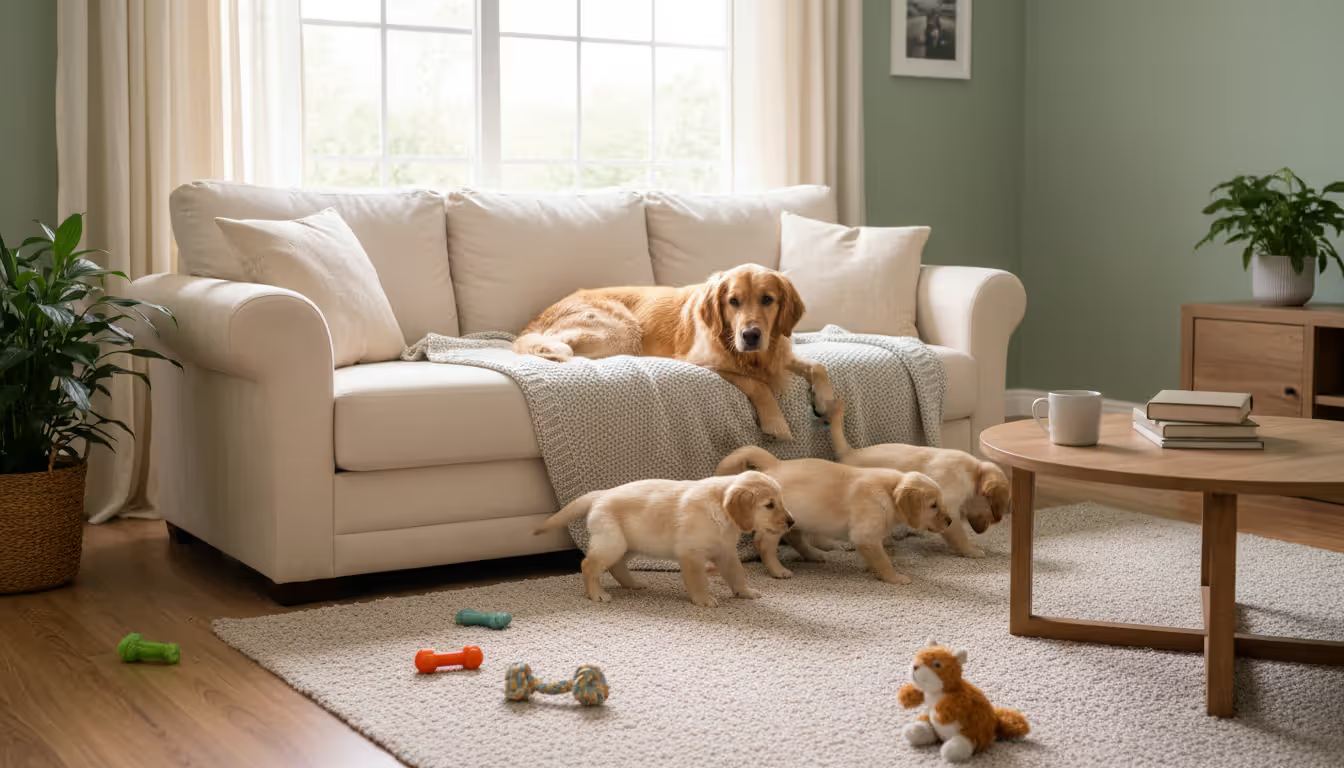
Responsible breeders treat breeding like a serious hobby or calling, not a business. They usually focus on one breed, maybe two. They own a handful of dogs who live in their homes as family members—sleeping on couches, going on walks, getting belly rubs. These aren't livestock; they're beloved pets who occasionally have puppies.
Before breeding any dog, ethical breeders run comprehensive health tests. We're talking genetic screening for breed-specific conditions, hip and elbow x-rays evaluated by specialists, eye exams by veterinary ophthalmologists, heart certifications. They won't breed a dog with questionable health, even if it's gorgeous and perfectly tempered, because passing on genetic problems violates their ethics.
Female dogs in responsible breeding programs might have one litter per year, maximum. Often less. They retire by age seven or eight and live out their remaining years as pampered pets. Breeders select mates carefully, studying pedigrees to avoid inbreeding and choosing for genetic diversity, health, and temperament—not just looks.
Author: Daniel Whitmor;
Source: jamboloudobermans.com
The puppies stay with their mothers for at least eight weeks, sometimes ten or twelve. They get proper socialization, vaccinations, veterinary checkups. They're introduced to various sounds, surfaces, and experiences to build confidence and adaptability.
Want to spot the difference in practice? Responsible breeders welcome—actually, they insist on—facility visits. They want you to meet the parent dogs, see the environment, ask questions. They'll grill you about your lifestyle, experience, living situation, and expectations. They refuse sales to unsuitable homes, no matter how much money you offer. They provide detailed health records, maintain contact with puppy buyers for life, and require you to return the dog to them if you ever can't keep it.
Responsible breeders also ask what seems like too much money—$1,500 to $3,000 for a puppy. But that price reflects actual costs: health testing runs $500-1,000 per dog, quality food and veterinary care throughout pregnancy and puppyhood adds up, and breeding only occasionally means each litter needs to cover significant expenses.
Commercial operations? They avoid facility visits with excuses about biosecurity or distance. They sell to anyone with cash. They offer multiple breeds simultaneously and have puppies available year-round, which should immediately raise red flags—responsible breeders have waiting lists and only occasional litters. Mills often charge prices similar to or higher than ethical breeders while spending a fraction on actual animal care.
Some organizations certify breeders through programs like the AKC's Breeder of Merit, but these credentials are voluntary. Plenty of excellent breeders operate without formal certifications, while some mills obtain them through minimal compliance with basic requirements.
Current Laws and Why Stronger Regulation Is Needed
Federal and state regulations governing dog breeding contain more holes than a screen door, allowing widespread abuse to continue legally.
The Animal Welfare Act, enforced by the USDA, supposedly sets minimum standards. But here's the massive loophole: it only applies to breeders selling to pet stores or brokers. Sell directly to consumers through a website or Facebook? Congratulations, you're exempt from federal oversight. Thousands of large-scale breeders exploit this exemption, operating facilities with hundreds of dogs and zero federal regulation.
Even facilities that fall under USDA jurisdiction face absurdly low standards. Wire flooring that cuts paws? Legal. Cages just six inches larger than the dog in each direction? Perfectly fine. No exercise, socialization, toys, or enrichment? Not required. Inspections happen infrequently—inspectors can't possibly monitor thousands of facilities adequately. When violations get cited, penalties rarely exceed small fines that breeders treat as minor business expenses.
Advocates pushing for stronger regulations argue for comprehensive licensing covering all breeders regardless of sales method, mandatory genetic health testing, strict limits on breeding frequency, surprise inspections, and penalties severe enough to actually deter violations. Some propose banning breeding of breeds with inherent structural problems that guarantee suffering—if we can't breed a dog that can breathe properly, should we be breeding that dog at all?
State-by-State Regulation Differences
State laws create a confusing patchwork where breeders can simply relocate to wherever enforcement is weakest.
California led the charge with progressive legislation requiring pet stores to source animals only from shelters and rescues. New York, Maryland, and Maine followed with similar retail bans. These laws don't stop breeding, but they eliminate a major sales channel for mills.
Pennsylvania used to earn the nickname "puppy mill capital of America." Public outcry eventually forced stronger regulations—larger cages, solid flooring, annual inspections. Did it solve the problem? Not exactly. Many operations just moved to neighboring states with looser rules.
Iowa, Missouri, and Arkansas maintain minimal regulations, making them attractive for large-scale commercial breeding. These states have powerful agricultural lobbies that fight animal welfare legislation, arguing breeding operations should be treated like farming rather than animal care facilities.
Recent Legal Wins Against Puppy Mills
Enforcement efforts have gained traction as prosecutors and animal welfare organizations coordinate their attacks on the worst operations.
In 2025, federal authorities shut down a Missouri breeder housing over 500 dogs in conditions investigators described as "hellish." The operators faced criminal charges and received lifetime bans on owning animals. Dogs rescued from the facility required months of medical treatment and behavioral rehabilitation.
Virginia successfully prosecuted a breeder running multiple facilities under different business names to dodge regulations. The case established precedent for piercing corporate veils and holding operators personally accountable when they use shell companies to hide violations.
Private lawsuits have proven surprisingly effective. Buyers who purchased sick puppies have sued breeders and pet stores for fraud, veterinary costs, and emotional distress. These civil judgments sometimes exceed regulatory fines by orders of magnitude, creating real financial consequences.
Despite progress, enforcement remains woefully inadequate. Most states employ only a handful of inspectors to oversee thousands of facilities. Violations often result in warnings and compliance deadlines rather than immediate closures. Repeat offenders continue operating while appeals drag through courts for years.
The Overpopulation Crisis and Shelter Impact
Every year, roughly 6.3 million dogs enter American shelters. About 920,000 get euthanized—not because they're dangerous or unsavably ill, but because there's simply no room and no adopters.
Think about that while breeding operations produce 2 million puppies annually, specifically for profit.
The math tells a tragic story. Every puppy someone buys from a breeder or pet store represents a shelter dog who won't get adopted. With limited adopters available, increased breeding directly contributes to shelter deaths. It's not complicated—more dogs being produced means more dogs dying in shelters.
Regional differences reveal cultural and economic factors. Rural Southern states have the highest euthanasia rates, with some facilities killing over half of incoming dogs. These areas often lack accessible spay/neuter programs, have lower adoption rates, and maintain cultural attitudes that view dogs as outdoor animals or property rather than family members.
Taxpayers foot the bill for this entire mess. Municipalities spend billions annually operating shelters, providing veterinary care, and euthanizing unwanted animals—costs that could plummet through breeding regulation and increased adoption.
Here's the irony that should make you angry: many shelter dogs are purebreds or young puppies. You know, the exact things people claim they need from a breeder. Breed-specific rescues exist for virtually every recognized breed. About a quarter of shelter dogs are purebreds. People who insist they need a Golden Retriever or a Poodle or whatever specific breed can find them in rescue—no breeding support necessary.
Why Adoption Is the More Ethical Choice
Twenty years in veterinary practice and I've treated countless puppies with genetic conditions causing lifelong suffering, met breeding dogs discarded after years of exploitation, and watched families face impossible medical decisions about preventable conditions. The solution isn't complicated. Adopt from shelters. Support strong breeding regulations. Stop treating dogs as commodities to be produced and consumed
— Dr. Jennifer Martinez
Adopting a shelter dog saves two lives: the one you bring home and the one who can now take that kennel space.
Adoption fees typically run $50 to $300. That includes spaying or neutering, vaccinations, and often microchipping. Buy those services separately and you're looking at $500-plus. The cost savings alone should get your attention, but that's barely scratching the surface of why adoption makes sense.
Let's destroy the myth that shelter dogs are damaged goods. Most end up in shelters because of human problems—divorce, eviction, financial crisis, owner death. Not behavioral issues. Shelters assess temperament, provide behavioral history, and work to match dogs with appropriate homes. Many shelter dogs are already house-trained, past the destructive puppy phase, and ridiculously grateful for a second chance.
Want a purebred? Breed-specific rescues pull dogs from shelters, take owner surrenders, and rescue dogs from puppy mill closures. Then they place these dogs in foster homes while seeking permanent adopters. Golden Retriever Rescue, Labrador Retriever Rescue, German Shepherd Rescue—organizations exist for virtually every breed. You can find your desired breed without funding commercial breeding operations.
Adult dog adoption offers advantages over puppies that people don't consider. Adult dogs have established personalities, energy levels, and sizes. No guessing whether your puppy will mature into a couch potato or a hyperactive whirlwind. Adult dogs typically need less intensive training and supervision, making them ideal for working families or first-time owners who've been told they need a puppy.
Mixed-breed dogs—mutts, if you prefer—often enjoy better health than purebreds thanks to genetic diversity reducing inherited disorders. They're less likely to develop breed-specific problems and frequently live longer than their purebred counterparts.
Author: Daniel Whitmor;
Source: jamboloudobermans.com
Your adoption fee funds shelter operations, veterinary care, and rescue efforts rather than enriching commercial breeders. That alignment of actions with values matters if you oppose animal cruelty.
Comparison: Responsible Breeder vs. Puppy Mill vs. Adoption
Factor
Responsible Breeder
Puppy Mill
Shelter/Rescue Adoption
Health Screening
Extensive genetic testing of parents; multi-year health guarantees; breed club certifications
Zero testing or falsified documentation; no actual health verification
Veterinary exam before adoption; spay/neuter included; vaccination records provided
Living Conditions
Dogs live in breeder's home as family members; spacious, clean, enriching environment
Stacked wire cages; no exercise or socialization; minimal shelter from elements
Varies by facility quality; daily enrichment activities; volunteer socialization programs
Cost
$1,500-$3,000+ reflecting actual care costs
$500-$3,000+ with minimal money spent on dogs
$50-$300 including medical services worth $500+
Transparency
Welcome home visits; extensive buyer questioning; references available; lifetime support
Refuse facility visits; high-pressure sales; sell to anyone; disappear after sale
Open visitation hours; adoption counseling; post-adoption training resources
Impact on Animal Welfare
Neutral to positive if genuinely improving breed health and limiting production
Extremely harmful; perpetuates suffering and overpopulation crisis
Directly saves lives; reduces euthanasia; doesn't contribute to overbreeding
FAQ: Common Questions About Dog Breeding Ethics
Is all dog breeding considered unethical?
No, but the vast majority of commercial breeding crosses ethical lines. Small-scale preservation breeding by people genuinely committed to breed health, genetic diversity, and temperament serves legitimate purposes—maintaining working dog lines or rare breeds facing extinction. The problems start when breeding becomes primarily about profit. Breeding popular breeds for money, breeding dogs with known health problems, or running large-scale commercial facilities all fall into unethical territory. Motivation matters. Scale matters. Are you breeding to improve the breed or to improve your bank account? That's the dividing line.
How can I identify a puppy mill when looking for a dog?
Red flags practically wave themselves. Breeders who won't let you visit their facility? Run. Multiple breeds available simultaneously? That's a mill, not a breeder. Puppies available year-round without waiting lists? Same deal. Selling through pet stores or shipping puppies sight-unseen? Definitely a mill. Can't or won't provide health testing documentation for parent dogs? Walk away. Meanwhile, legitimate breeders insist you visit, ask intrusive questions about your lifestyle, maintain waiting lists, focus on one or two breeds maximum, provide references from previous buyers, and offer lifetime return policies. Trust your gut—if something feels rushed or secretive, it probably is.
What health problems are most common in commercially bred dogs?
Hip dysplasia, elbow dysplasia, heart defects, progressive blindness, epilepsy, immune disorders—pick your genetic nightmare. Breed-specific issues multiply the problems: flat-faced breeds can't breathe properly, long-backed breeds develop spinal problems, wrinkled breeds suffer chronic skin infections. Puppies from mills also experience higher rates of parvovirus, distemper, and other infectious diseases thanks to poor sanitation and inadequate vaccination. Behavioral problems stack on top of physical issues—anxiety, fear-based aggression, house-training difficulties—all stemming from inadequate socialization and premature separation from mothers.
Are there any states that have banned puppy mills?
Outright bans don't exist, but several states enacted strong regulations or retail sale restrictions. California, Maryland, Maine, Washington, and Illinois prohibit pet stores from selling dogs sourced from commercial breeders, requiring partnerships with shelters and rescues instead. Dozens of cities including Boston, Chicago, and San Diego passed similar local ordinances. These laws eliminate major sales channels for mills but don't ban breeding itself. Direct-to-consumer online sales remain legal everywhere, allowing mills to pivot from storefronts to websites and social media. Loopholes persist.
How does buying from a breeder contribute to shelter overpopulation?
Simple supply and demand. Every puppy purchased from a breeder represents a shelter dog who won't find a home. With 6.3 million dogs entering shelters annually and only enough adopters for a portion of them, adding more dogs through breeding guarantees some die in shelters. Many shelter dogs are the offspring or descendants of irresponsibly bred dogs whose owners didn't spay or neuter, creating generational cycles. Purchased dogs sometimes end up in shelters when owners face unexpected circumstances—now you've got a bred dog taking up space that could save a shelter dog's life. Reducing demand for bred dogs through increased adoption directly decreases euthanasia rates. Cause and effect.
Can I find purebred dogs at shelters and rescues?
Absolutely. About a quarter of shelter dogs are purebreds. Breed-specific rescue organizations exist for every recognized breed—and they're pulling dogs from shelters, accepting owner surrenders, and rescuing breeding dogs from closed puppy mills. Petfinder, Adopt-a-Pet, and breed club websites maintain searchable databases of available dogs. Finding your specific breed might require patience and flexibility about age or exact appearance, but most people successfully adopt their desired breed through rescue channels. You get breed characteristics without supporting commercial breeding or contributing to overpopulation. Win-win.
The breeding industry hides behind carefully curated marketing images—puppies playing in fields, happy families with their new dogs. They don't show you the breeding dogs in cages or the shelter dogs being euthanized because there's no space.
Right now, millions of dogs suffer in breeding facilities. Millions more wait in shelters, many on death row through no fault of their own. These problems persist because people keep buying puppies without asking where they came from or what their purchase supports.
Your individual choices matter more than you might think. Each adoption instead of a purchase, each conversation about breeding ethics with friends considering getting a dog, each vote for candidates supporting stronger animal welfare laws—these create incremental change toward a system that values dogs as living beings deserving of dignity.
Solving this requires multiple approaches working together: stronger regulations with actual enforcement teeth, public education about breeding industry realities, increased adoption rates, and cultural shifts away from treating specific breeds as status symbols. You can support organizations working toward these goals, choose adoption yourself, and spread awareness to others.
Dogs didn't create this system. We did. We bred them into shapes that cause suffering because we liked how they looked. We confined them in cages because we wanted cheap puppies. We killed them in shelters because we bred too many and didn't want to take responsibility for the surplus.
The power to change this mess lies with consumers. Choose compassion over convenience. Choose adoption over purchase. Choose to be part of the solution instead of unknowingly funding the problem.
The dog meat trade involves breeding, transporting, and slaughtering millions of dogs annually for human consumption, primarily in Asia. Despite growing bans worldwide, enforcement challenges persist. Learn about US laws, international legal status, cruelty concerns, and advocacy efforts
Dog abuse encompasses deliberate physical harm, severe neglect, and psychological torment under federal and state laws. Learn to recognize physical and behavioral signs, document evidence properly, and report through correct legal channels. Penalties range from misdemeanors to felonies with up to 10 years imprisonment
Some dog breeds suffer from genetic conditions so severe that experts question whether continuing their bloodlines constitutes cruelty. Understanding unethical breeding practices means examining breathing problems, shortened lifespans, and the legal frameworks designed to protect animals from profit-driven operations
TNR programs sterilize and return community cats to reduce populations humanely. Learn how trap-neuter-return works, legal frameworks in US cities, effectiveness data vs traditional euthanasia, caretaker rights, and step-by-step guidance for starting programs with municipal funding
The content on this website is provided for general informational and educational purposes only. It is intended to explain concepts related to animal law, pet ownership rights, service animals, dog bite liability, and animal welfare legislation in the United States.
All information on this website, including articles, guides, and examples, is presented for general educational purposes. Legal outcomes may vary depending on jurisdiction, state laws, and individual circumstances.
This website does not provide legal advice, and the information presented should not be used as a substitute for consultation with qualified attorneys or animal law professionals.
The website and its authors are not responsible for any errors or omissions, or for any outcomes resulting from decisions made based on the information provided on this website.