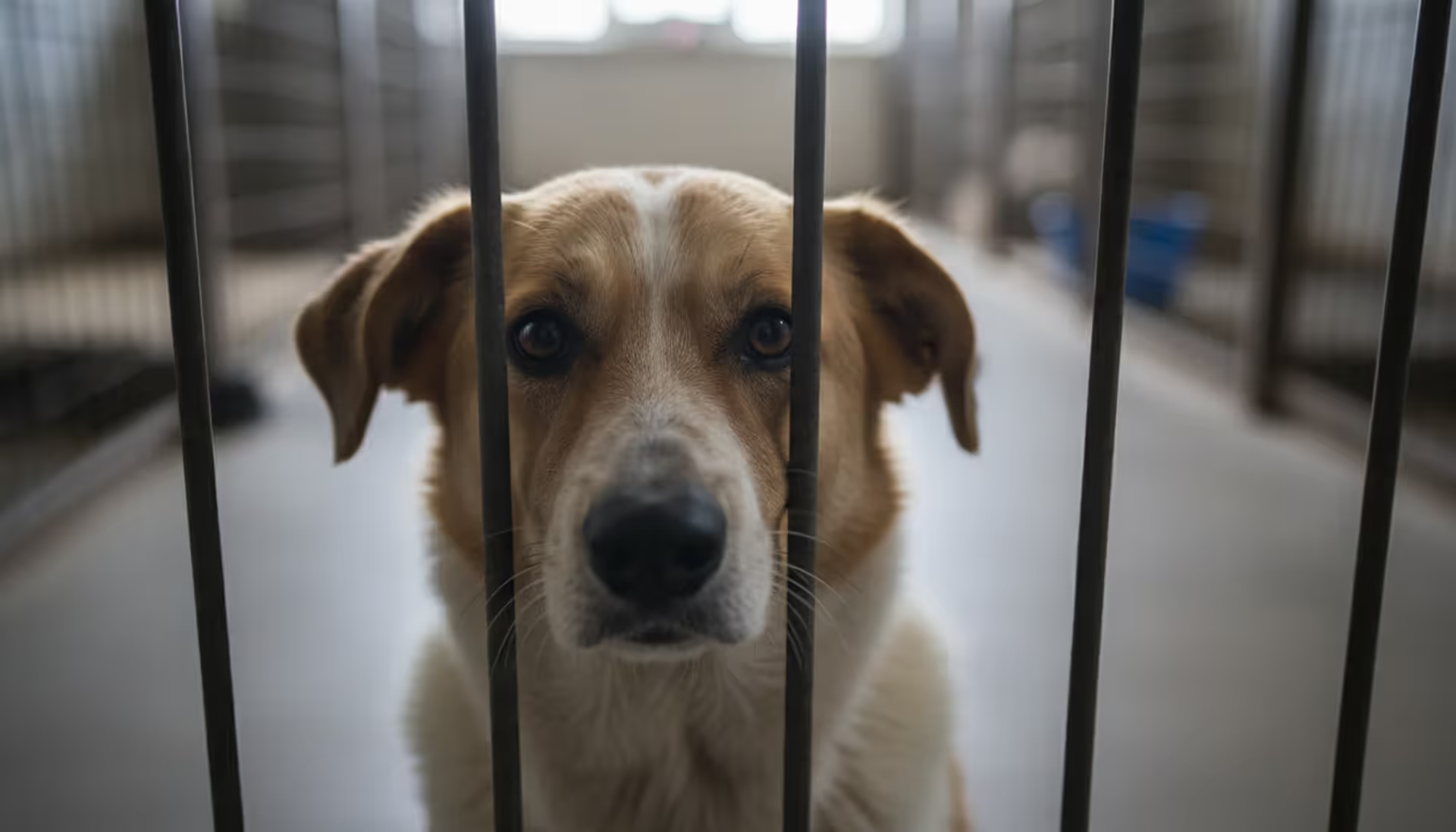
Thousands of dogs endure suffering each year because people don't realize when they've crossed the line from correction to crime. Maybe it's a neighbor who chains their Labrador outside during freezing nights. Or someone at the park who kicks their terrier for pulling on the leash. These situations raise urgent questions: What actually counts as abuse? When should you call authorities?
Dog abuse covers intentional physical harm, extreme neglect, psychological torture, and withholding life's basics—food, water, shelter, medical care. Federal laws set a baseline, but your state's specific codes determine what prosecutors can charge and judges can punish. Learning to spot abuse, capture evidence correctly, and contact the right people transforms you from concerned bystander to potential lifesaver.
Legal Definition of Dog Abuse and Animal Cruelty
Here's where it gets complicated: there's no single answer to "what is dog abuse?" Federal statutes cover certain extreme acts, while your state fills in the rest.
The Preventing Animal Cruelty and Torture (PACT) Act, passed in 2019, makes it a federal crime to crush, burn, drown, suffocate, or impale animals. But there's a catch—federal prosecutors only step in when abuse crosses state lines or happens on federal land. That neighbor abusing their dog three houses down? That's handled locally under state law.
States split the dog abuse legal definition cruelty into two buckets. Active cruelty means you did something harmful—beat the dog, stabbed it, set it on fire, poisoned it. Passive cruelty means you failed to do something necessary—didn't feed it, ignored infected wounds, left it outside in a blizzard.
What's legal? Courts recognize that reasonable discipline, professional veterinary procedures, humane euthanasia by licensed vets, regulated hunting, and standard farming practices don't constitute abuse. The dividing line? Whether your actions cause injury or unnecessary suffering.
Author: Marcus Redfield;
Source: jamboloudobermans.com
Now, emotional abuse animals legal territory gets murky. We know psychological torment destroys dogs mentally, but proving it in court? That's tough. California, Illinois, and Oregon have started including psychological harm in their statutes. Keeping a dog in total darkness for months, deliberately terrorizing it, or forcing it to watch other animals being hurt—these might now be prosecutable in progressive jurisdictions.
Courts want visible proof or expert opinions. A veterinary behaviorist might testify that your neighbor's German Shepherd shows trauma consistent with prolonged isolation. Meanwhile, yelling "bad dog" when it chews your shoes? That won't land anyone in jail, though patterns of verbal abuse alongside other neglect strengthen prosecutors' cases.
Dog Neglect vs. Abuse: Understanding the Legal Distinction
Think of it this way: abuse is doing something terrible. Neglect is failing to do something essential. Both violate the law, but they're charged differently and punished differently.
Factor
Dog Abuse
Dog Neglect
Legal Definition
You intentionally hurt the animal through direct action
You failed to provide basics—food, water, shelter, vet care, clean living space
Examples
Beating with objects, burning, stabbing, poisoning, running a dog fighting ring, sexual assault
Starvation, dehydration, ignoring treatable injuries, leaving dogs exposed to extreme temperatures, hoarding dozens of animals
Animal neglect (misdemeanor initially), severe neglect causing death (felony in many states)
Penalties
Prison time ranging 16 months to 5 years, fines from $5,000 up to $125,000, lifetime bans on owning animals
Jail sentences 30 days to 12 months, fines $500 to $10,000, mandatory education classes, supervised ownership with random inspections
Prosecutors find neglect easier to prove. A dog that's nothing but bones and fur, lying next to an empty water bowl, surrounded by feces—that evidence speaks for itself. Abuse cases require connecting the defendant to specific harmful acts, which might happen behind closed doors.
Why does the distinction matter? First-time neglect might earn probation and court-ordered education, especially if poverty or ignorance played a role. Someone who genuinely didn't know their elderly dog needed pain medication for arthritis faces different consequences than someone who systematically starved five dogs in their basement.
Some situations blur the boundaries. Leaving your Husky chained outside during a January ice storm in Minnesota without shelter—is that neglect (failing to protect) or abuse (intentionally exposing to harm)? Prosecutors weigh duration, weather severity, the dog's condition when discovered, and whether you knew the danger existed.
Hoarding cases illustrate how complex neglect becomes. Someone collects 47 dogs in a two-bedroom apartment, believing they're rescuing them. Yet none receive adequate food, medical care, or sanitation. Courts treat severe hoarding as felony-level neglect, particularly when animals die or suffer permanent damage.
Recognizing Signs of Dog Abuse
Spotting abuse means looking past the obvious injuries. You're watching for physical damage, behavior changes, and environmental red flags that together tell the story.
Physical Signs in Abused Dogs
Visible wounds raise alarms, especially when the owner's explanation doesn't match the injury. Multiple wounds in various stages of healing—some fresh, some scarred—suggest ongoing violence rather than one-time accidents.
Watch for unexplained fractures, particularly in legs, ribs, or skulls. Burns leave distinct patterns whether from cigarettes, chemicals, or hot surfaces. Lacerations that couldn't happen during normal play. Bald patches where fur was ripped out from dragging or overly tight restraints.
Extreme emaciation tells its own story—you can count every rib and vertebra. Embedded collars cutting grooves into necks because they were never adjusted as puppies grew. Limping from untreated breaks. Infections, abscesses, or flea infestations covering the body.
Author: Marcus Redfield;
Source: jamboloudobermans.com
Dogs used for fighting show distinctive scarring. Bite wounds cluster on the face, front legs, and chest. Their neck and shoulder muscles develop abnormally from combat training. The scarring pattern differs completely from normal dog play injuries.
Puppies with broken bones often experienced being thrown or struck with objects. Elderly dogs with pressure sores likely endured prolonged confinement on hard surfaces without adequate bedding or movement.
Behavioral and Emotional Indicators
Psychological trauma creates behavior patterns you won't see in well-treated dogs. Sure, some dogs are naturally shy or anxious. But abuse produces specific responses.
Fear-based reactions: The dog cowers when anyone raises a hand, even just to wave. Flinches at sudden movements. Hides when people approach. Might urinate submissively or freeze completely, unable to move when confronted.
Aggression patterns: Some abused dogs turn defensive, snapping or lunging preemptively. They expect pain, so they strike first. This differs completely from dominance-based aggression—these are terrified animals trying to prevent anticipated harm.
Hypervigilance: Constantly scanning surroundings, never relaxing, startling at minor sounds. These dogs rarely sleep deeply, maintaining alertness even when resting.
Learned helplessness: After prolonged abuse, some dogs simply give up. They don't seek affection, show minimal food interest, accept further mistreatment without resistance. They've learned that nothing they do matters.
Environmental context matters equally. Dogs on heavy chains barely long enough for movement, living in pens filled with weeks of waste, confined to crates 20 hours daily. No water bowl visible during 95-degree heat. Zero shelter during thunderstorms. Dogs left inside parked cars on summer afternoons.
How to Report Dog Abuse Legally
Reporting suspected abuse correctly determines whether authorities can intervene quickly and build cases that stick in court. Mess up the process, and you might delay rescue or destroy prosecutable evidence.
Start by identifying who handles cases in your specific area. Jurisdiction matters more than you'd think. City limits? Contact local animal control first—they'll arrive faster than anyone else and know local ordinances. See someone actively beating a dog? Call 911. Police respond to immediate danger and criminal activity in progress.
Rural areas without animal control? County sheriff's office handles those calls. Complex cases involving organized dog fighting rings or operations spanning multiple counties? Your state's animal cruelty task force investigates those. Some regions let humane societies or ASPCA branches investigate directly; others require them to work alongside law enforcement.
Whatever you do, don't confront the suspected abuser yourself. That puts you in danger, alerts them to destroy evidence, and might prompt them to hide or relocate the dog before authorities arrive.
Documenting Evidence of Dog Abuse
Strong cases need solid dog abuse evidence documentation. Before picking up the phone, gather what you can safely and legally.
Photographs matter most. Date-stamped images showing the dog's condition, visible injuries, living environment, restraints used. Shoot from multiple angles. If the dog looks skeletal, include objects for scale—a soda can, your shoe, anything showing size reference. Capture the property address if street numbers are visible.
Author: Marcus Redfield;
Source: jamboloudobermans.com
Video footage captures ongoing abuse that still photos miss. Recording showing a dog without accessible water across multiple days, exposed to weather extremes hour after hour, or being struck—this provides powerful courtroom evidence.
Written observations create timelines. Keep a detailed log with dates, times, and specific descriptions. Note weather conditions (important for exposure cases), the dog's behavior, sounds you heard (whimpering, yelping, aggressive shouting from the owner).
Witness statements multiply credibility. If your spouse, roommate, or other neighbors observed the same abuse, collect their contact information. Prosecutors love multiple witnesses corroborating the same facts.
Veterinary records provide expert assessment, though you'll only have access if you legally possess the dog (maybe you're a neighbor who occasionally helps). Vet documentation of injuries, malnutrition, or disease proves condition objectively.
Critical warning: don't trespass to gather evidence. Photos taken from public sidewalks, streets, or your own property? Admissible in court. Evidence obtained by hopping fences or entering private property illegally? Judges often exclude it, potentially destroying the entire case.
Hotlines and Reporting Agencies by Jurisdiction
The dog abuse hotline reporting process varies depending where you live and what type of abuse you're reporting. Major hotlines include the ASPCA Animal Poison Control at (888) 426-4435 for suspected poisoning cases specifically. The FBI accepts tips through tips.fbi.gov for organized fighting operations or interstate cruelty.
Local animal control remains your best first call for most situations. Search "[your city name] animal control" to find direct numbers.
When you call, provide specific information. Exact address or detailed location description. The dog's breed (or best guess), color, size, distinguishing features like scars or collars. Nature of suspected abuse or neglect—be specific, not dramatic. Duration you've observed the situation. Whether the dog appears in immediate danger requiring emergency response.
Most jurisdictions require your contact information, though some accept anonymous tips. Providing your name and number allows investigators to request additional details and keeps you updated on case progress.
Follow up if nothing happens within 48-72 hours. Animal cruelty task force reporting procedures sometimes involve longer investigation timelines, particularly for complex cases requiring surveillance or coordination between multiple agencies. But basic neglect cases? Authorities should respond quickly.
Criminal Charges and Penalties for Dog Abuse
Dog abuse criminal charges penalty structures escalate based on severity and the defendant's history. Jurisdictions slot violations into infractions, misdemeanors, or felonies with vastly different consequences.
Infractions cover minor first-time issues causing no lasting harm—failing to license your dog properly, letting it run loose repeatedly. Expect fines between $50 and $500, no jail time.
Misdemeanor charges address neglect causing suffering but no permanent injury, or first-time abuse without aggravating factors. You're looking at county jail sentences ranging 30 days to one full year. Fines climb between $500 and $5,000. Courts often mandate animal cruelty education programs. Probation might include supervised pet ownership with unannounced home inspections. Defendants pay restitution covering veterinary care and sheltering costs.
Author: Marcus Redfield;
Source: jamboloudobermans.com
Felony classifications apply to severe abuse, torture, fighting operations, or repeat offenses. Consequences jump dramatically. State prison terms run 16 months to 5 years (up to 10 years in some states for torture). Fines reach $125,000 in Oregon. Permanent bans on animal ownership. Some jurisdictions now require registration as an animal abuser, similar to sex offender registries. Courts order forfeiture of all animals in the defendant's care.
What triggers felony upgrades? Abuse causing permanent disability or death. Torture involving prolonged, intentional suffering. Sexual abuse of animals. Abuse committed where children could witness it. Running organized fighting operations. Multiple animal victims. Prior convictions for animal cruelty.
States increasingly recognize connections between animal abuse and interpersonal violence. Defendants with domestic violence backgrounds or who abused animals in front of family members face enhanced penalties. Some judges mandate psychological evaluation and treatment as sentencing conditions.
Prosecutors pile on related charges too. Child endangerment if minors witnessed the abuse. Weapons violations if you used bats, knives, or other instruments during torture. Organized crime charges for fighting rings involving gambling and interstate transport.
Animal Cruelty Laws by State: Felony Classifications
All 50 states now recognize some form of felony-level animal cruelty—a relatively recent development. But animal abuse felony laws by state vary wildly in what triggers those serious charges.
First-offense felony states classify even initial intentional abuse as a felony. California, Illinois, Maine, Michigan, and Oregon lead here. Deliberately harm a dog once in these states? You're facing felony charges immediately, regardless of clean record.
Repeat-offense felony states treat the second or third offense as the felony trigger. Texas, Florida, and Pennsylvania follow this model—your first abuse charge might be a misdemeanor, but get caught again and you're looking at serious prison time.
Aggravated-circumstances felony states save felony prosecution for particularly brutal acts or when abuse causes death or serious injury. Alabama, Alaska, and Wyoming require significant demonstrable harm before bringing felony charges.
State
Classification
Maximum Jail Time
Maximum Fine
Notable Provisions
California
First offense can be felony
3 years state prison
$20,000
Recognizes psychological abuse in statute language
Texas
Second offense triggers felony
2 years state jail felony
$10,000
First offense stays Class A misdemeanor
Florida
Third-degree felony possible
5 years
$10,000
Aggravated abuse; first offense elevates with injury
New York
Aggravated cruelty felony
2 years
$5,000
Requires proof of intent to cause extreme suffering
Illinois
Class 4 felony
1-3 years
$25,000
First offense for intentional harm qualifies
Michigan
Four-year felony
4 years
$5,000
Killing or torturing animals specifically
Pennsylvania
Third-degree felony for repeats
7 years
$15,000
First offense remains misdemeanor level
Oregon
Class C felony
5 years
$125,000
Strongest financial penalties nationwide
Ohio
Fifth-degree felony
12 months
$2,500
Companion animals receive specific protections
Washington
Class C felony
5 years
$10,000
First-degree animal cruelty statute
Mandatory reporting laws exist in Arizona, California, Colorado, Illinois, and a handful of other states. Veterinarians, social workers, and certain other professionals must report suspected abuse or face their own penalties. These laws include legal protections against retaliation from accused abusers.
Cross-reporting provisions link animal abuse investigations to child protective services and domestic violence units. When investigators discover animal abuse in homes with children or domestic violence histories, they're required to notify appropriate agencies. This reflects research showing animal abusers frequently victimize people too.
Forfeiture laws let authorities remove animals from dangerous situations before trials conclude. Owners face "cost of care" hearings where judges order them to post bond covering the animal's sheltering, feeding, and medical expenses while awaiting trial. Can't afford the bond? You permanently forfeit the animal.
Progressive jurisdictions now include animals in domestic violence protective orders. Victims can request that pets receive protection in restraining orders, preventing abusers from using animals as leverage or targets for revenge.
Animal cruelty is never just about animals—it's a community safety issue.Our data shows that individuals who commit violent acts against animals are five times more likely to commit violent crimes against people. When citizens report suspected abuse and law enforcement responds appropriately, they're not only saving animals but potentially preventing future human victims. Every report matters, and every documented case helps us strengthen legal protections nationwide
— Sarah Mitchell
FAQ
Is yelling at a dog considered abuse?
Raising your voice occasionally during training? No, that's not abuse. But sustained verbal aggression combined with threatening gestures—especially if you're causing visible fear responses in the dog—might support emotional abuse claims in states like California and Illinois that recognize psychological harm. Courts want patterns, not isolated incidents. They'll also want evidence of resulting trauma, typically documented by veterinary behaviorists showing the dog developed stress-related conditions or behavioral deterioration.
Can you be charged for neglecting a dog emotionally?
Yes, in jurisdictions recognizing psychological cruelty within their statutes. Prolonged isolation in dark basements, deliberate terrorization, forcing dogs to witness violence against other animals—these actions can result in criminal charges. Prosecution requires demonstrating that emotional neglect caused measurable harm documented through behavioral deterioration, failure to thrive despite adequate physical care, or stress-related health conditions. Expert testimony from certified veterinary behaviorists usually makes or breaks these cases.
What happens after I report suspected dog abuse?
Animal control or law enforcement starts investigating, usually within 24-48 hours for urgent situations. They'll visit the property, assess the animal's condition firsthand, interview the owner, and check for violations. Finding evidence of abuse or neglect? They might issue citations on the spot, remove the animal immediately if it's in danger, or continue monitoring while building a stronger case for prosecution. Investigators may contact you for additional information or ask you to provide a formal written statement. Serious cases involving injury or death proceed to criminal prosecution with potential jail time.
Are animal abuse laws the same in every state?
Not even close. All states criminalize animal cruelty now, but definitions, penalties, and enforcement mechanisms differ dramatically. Some states like California classify first-time intentional abuse as an automatic felony. Others like Texas require repeat offenses before felony charges kick in. Maximum penalties span one year to ten years imprisonment. Oregon fines up to $125,000; other states cap fines at $2,500. Certain states include psychological abuse and force professionals to report suspected cases; others focus exclusively on physical harm. Always look up your specific state's current statutes.
Can I remain anonymous when reporting dog abuse?
Some jurisdictions accept anonymous tips, though providing your contact information strengthens cases substantially and lets investigators ask follow-up questions. Certain hotlines guarantee complete anonymity while others require identification but protect your information from disclosure to the accused. Check your local animal control agency's specific policy before calling. Keep in mind that if the case goes to trial, prosecutors might need witness testimony, potentially requiring you to appear in court and testify under oath about what you observed.
How long do dog abuse investigations typically take?
Simple neglect cases with clear evidence might wrap up within days, especially if the owner immediately surrenders the animal or accepts citations without fighting them. Complex abuse cases involving serious injury, multiple animal victims, or organized fighting operations? Those can stretch months. Investigators must gather evidence from multiple sources, obtain detailed veterinary assessments, interview numerous witnesses, and build cases meeting felony prosecution standards. Cases requiring forensic analysis or coordination between multiple agencies might take six months to a year before reaching trial. Emergency situations where animals face immediate danger get prioritized with much faster response times.
Dog abuse ranges from outright violence to life-threatening neglect, all now addressed through increasingly robust legal frameworks across America. Understanding legal definitions helps you recognize when concern should become action.
The legal landscape keeps evolving. States strengthen penalties annually, expand definitions to cover psychological harm, and recognize links between animal abuse and other violence forms. Felony classifications exist nationwide now, though significant variations persist in triggering factors and imposed penalties.
Effective intervention demands proper documentation, reporting through correct channels, and persistence when initial responses seem inadequate. Whether you're witnessing a neighbor's dog suffering neglect or suspecting organized abuse operations, your observations and actions can trigger life-saving interventions.
The justice system increasingly treats animal cruelty as the serious crime it represents—both for suffering animals and as a red flag for broader public safety threats. By understanding what constitutes abuse under law and following proper reporting procedures, you protect both vulnerable animals and your community.
The commercial dog breeding industry produces millions of puppies annually in conditions most pet owners never see. Understanding the welfare problems, health consequences, and ethical issues behind puppy production helps consumers make informed decisions that reduce animal suffering and save lives
The dog meat trade involves breeding, transporting, and slaughtering millions of dogs annually for human consumption, primarily in Asia. Despite growing bans worldwide, enforcement challenges persist. Learn about US laws, international legal status, cruelty concerns, and advocacy efforts
Some dog breeds suffer from genetic conditions so severe that experts question whether continuing their bloodlines constitutes cruelty. Understanding unethical breeding practices means examining breathing problems, shortened lifespans, and the legal frameworks designed to protect animals from profit-driven operations
TNR programs sterilize and return community cats to reduce populations humanely. Learn how trap-neuter-return works, legal frameworks in US cities, effectiveness data vs traditional euthanasia, caretaker rights, and step-by-step guidance for starting programs with municipal funding
The content on this website is provided for general informational and educational purposes only. It is intended to explain concepts related to animal law, pet ownership rights, service animals, dog bite liability, and animal welfare legislation in the United States.
All information on this website, including articles, guides, and examples, is presented for general educational purposes. Legal outcomes may vary depending on jurisdiction, state laws, and individual circumstances.
This website does not provide legal advice, and the information presented should not be used as a substitute for consultation with qualified attorneys or animal law professionals.
The website and its authors are not responsible for any errors or omissions, or for any outcomes resulting from decisions made based on the information provided on this website.