You're staring at a problem most dog owners never face: your dog has bitten someone, shows escalating aggression, or created a situation you can no longer safely manage. The local shelter just told you they won't take dogs with bite histories. Your vet suggested behavioral euthanasia. You're researching options at 2 AM because you're terrified of making the wrong choice.
Here's what nobody tells you upfront: finding placement for an aggressive dog is exponentially harder than rehoming a normal pet. Most traditional shelters will turn you away. The facilities that do accept these cases operate with months-long waitlists. And yes, euthanasia might end up being the most responsible option, even though that's devastating to consider.
But alternatives exist if you're willing to be completely honest about your dog's history, invest significant time in research, and accept that the outcome might not match your hopes. Specialized rescues, behavioral rehabilitation centers, and permanent sanctuary facilities serve dogs that mainstream adoption can't accommodate.
Understanding Your Legal Obligations Before Surrender
Let's talk about the legal minefield first, because this is where desperate owners make catastrophic mistakes.
Every state handles dog bite liability differently, and those differences matter enormously. California requires you to report any bite breaking skin to animal control within 48 hours—not when it's convenient, not after you've found placement, but immediately. Miss that deadline and you've violated state law before you've even started looking for help. Texas operates under strict liability rules, meaning if your dog bites someone, you're financially responsible regardless of whether you knew the dog was aggressive. Florida technically uses a "one bite" rule, but courts punch so many holes in that protection it's nearly worthless if you had any prior warning about behavioral issues.
The dog bite history disclosure legal obligation isn't just an ethical consideration—it's a legal trap waiting to snap shut. Here's how owners get themselves sued into bankruptcy: they surrender a dog to a rescue, conveniently forget to mention that bite incident from six months ago, and the dog attacks a volunteer or adopter. Now you're facing lawsuits for fraud, negligent misrepresentation, and in some jurisdictions, criminal charges under dangerous dog statutes.
When you're disclosing dog aggression when rehoming, documentation becomes your protection. Write down everything:
Every incident with specific dates (not "sometime last summer" but "July 14, 2024")
The context in painful detail (what happened in the 30 seconds before the bite, who was present, what the dog was doing)
Injury severity (scratch that didn't break skin, puncture wound, multiple bites requiring stitches, Level 3 vs Level 4 on the Dunbar scale)
Identifiable triggers you've noticed (reaches for the food bowl and the dog lunges, neighborhood kids run past the fence and he goes ballistic)
Every trainer, behaviorist, or vet who's evaluated the dog, with their written assessments
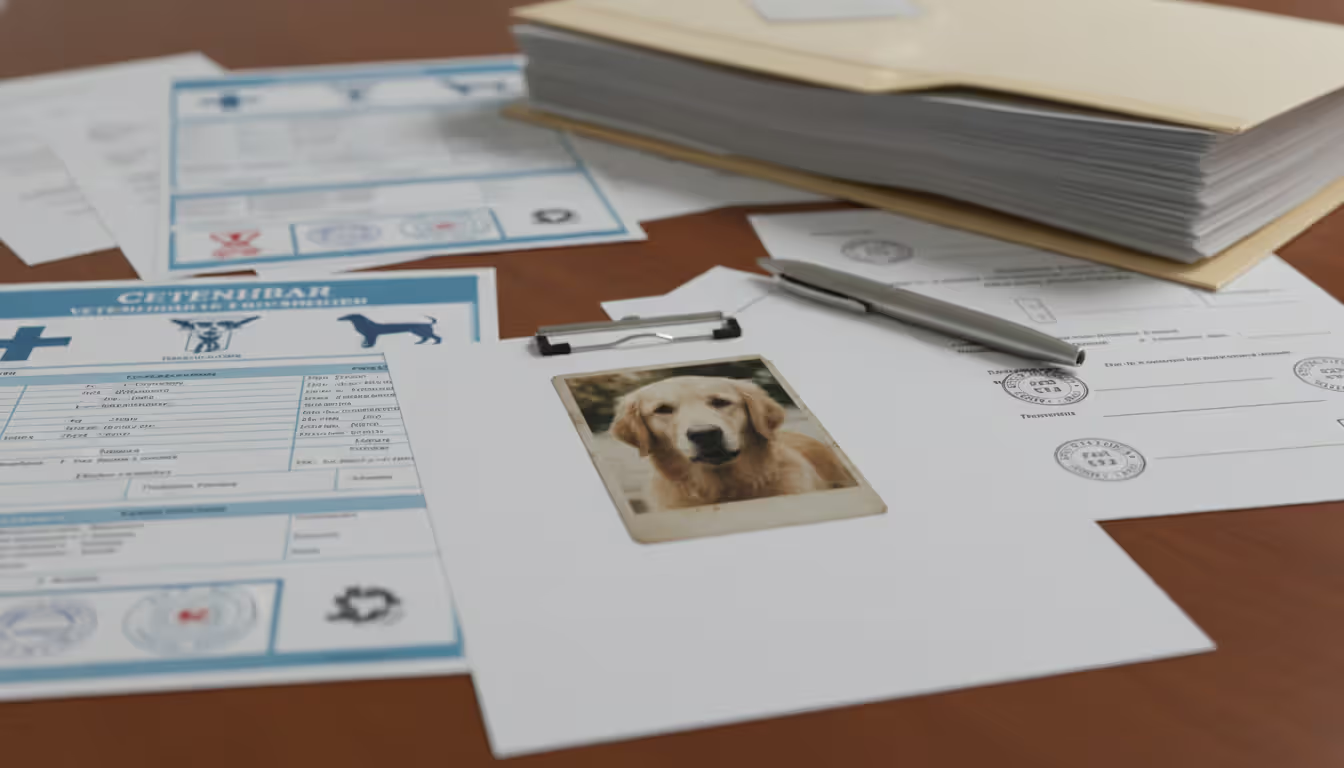
Current rabies certificate and all veterinary records
Photos of any injuries, if you have them
This isn't overkill. This is evidence that you acted responsibly when someone inevitably asks "what did you know and when did you know it?"
Author: Marcus Redfield;
Source: jamboloudobermans.com
I've seen owners convince themselves that one bite doesn't count if the dog was scared, or if a kid provoked it, or if it happened years ago. Legally? One bite requiring medical treatment establishes a documented history in most jurisdictions. The bite that sent someone to urgent care for three stitches creates the same legal disclosure obligation as the bite that hospitalized someone overnight. You don't get to decide which incidents count—disclosure covers all of them.
Courts have handed down verdicts exceeding $200,000 in cases where owners hid aggression history and the dog later injured someone. Beyond money, you might face criminal prosecution under your state's dangerous dog laws. Is getting the dog out of your house worth risking your financial future and potentially your freedom?
Rescue Organizations and Sanctuaries That Accept Aggressive Dogs
Municipal shelters usually can't help you—they're bound by public safety mandates and liability concerns that make accepting known biters nearly impossible. But rescue organizations that accept aggressive dogs operate under different models with behavioral expertise that general shelters lack.
Breed-Specific Rescues With Behavioral Programs
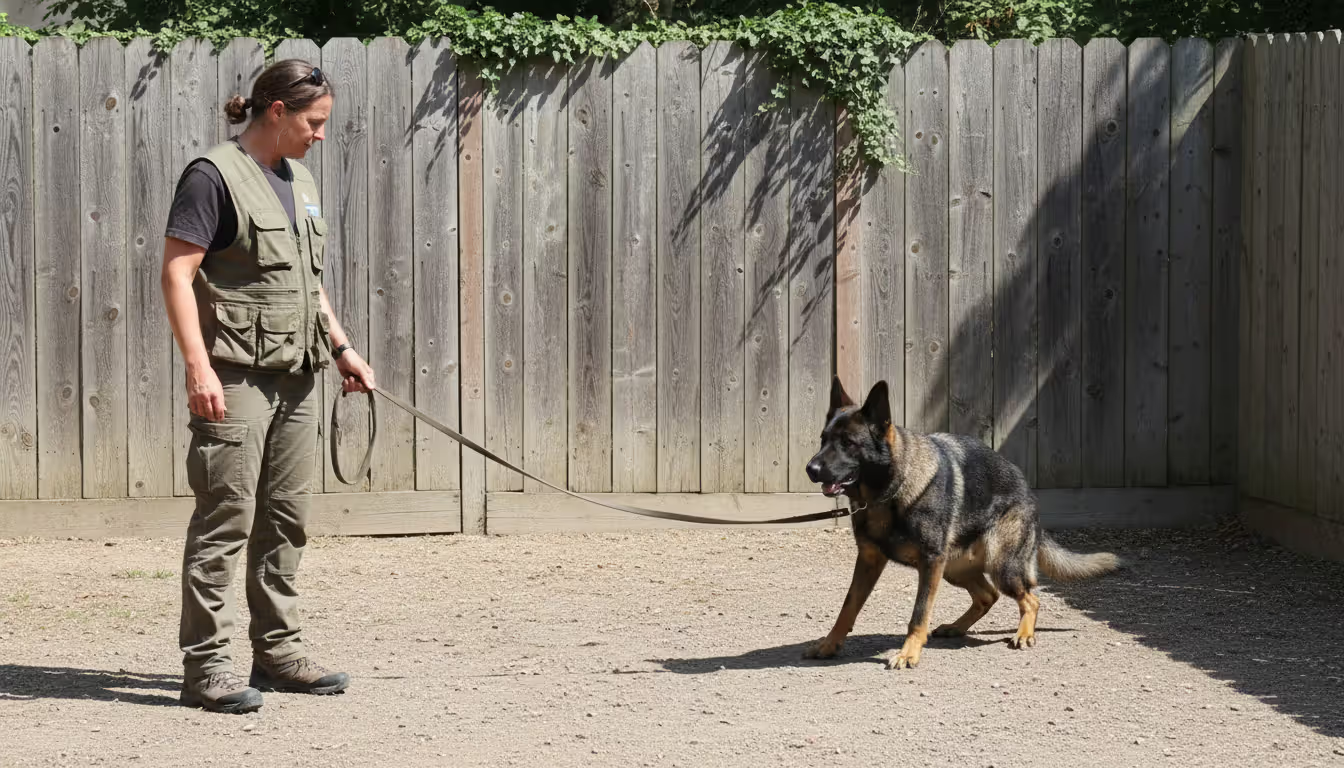
Breed-focused rescues deal with aggression cases regularly, particularly organizations working with breeds that face discrimination. A pit bull rescue has seen hundreds of fear-aggressive dogs. A German Shepherd rescue employs trainers who've worked through resource guarding in dozens of cases. They're not shocked by your situation—they expected it.
These groups maintain infrastructure specifically for behavioral cases: foster homes run by people who've managed aggressive dogs for years, relationships with veterinary behaviorists who consult on difficult cases, insurance coverage for higher-risk animals. When you contact them, expect an intake process that feels invasive because it is. They need:
Complete questionnaires covering everything from how your dog reacts to nail trims to what happens when someone approaches you on walks. Behavioral assessments conducted by certified professionals—often at your home where the dog displays typical behavior, not in a stressful shelter environment. Medical workups including orthopedic and pain evaluations, since undiagnosed pain drives a surprising percentage of aggression cases. Temperament testing across multiple scenarios to identify specific triggers versus generalized reactivity.
The German Shepherd Dog Club of America maintains rescue referrals through their national network. The American Pit Bull Foundation connects owners with breed-specific rescues across regions. UKC and AKC both provide rescue databases, though you'll need to contact organizations individually since acceptance for aggression cases varies dramatically.
Reality check: you're looking at waitlists. Quality breed rescues don't have empty kennel space waiting for your dog. They operate at capacity with more applications than available spots, and aggressive dogs consume more resources than straightforward cases. One reactive German Shepherd might need a specialized foster home, weekly training sessions, and months of work before becoming adoptable. That's three to five times the resource investment of a typical surrender.
Some charge surrender fees—$50 to $300 isn't unusual—to offset assessment and training costs. Others operate purely on donations but still can't accept every application. When No Leash Needed German Shepherd Rescue in North Carolina evaluated their numbers, they found they could accept roughly 20% of aggressive dog applications due to resource constraints. That's not cruelty; that's operational reality.
Aggressive Dog Sanctuary Programs Across the US
True aggressive dog sanctuary programs don't aim to rehabilitate your dog for adoption. They provide permanent housing for animals too dangerous or damaged for home placement. These facilities are vanishingly rare and brutally selective about intake.
Best Friends Animal Society runs one of the country's largest sanctuary operations at their Utah headquarters, but their Dogtown facility can't function as an unlimited dumping ground for every aggressive dog in America. They evaluate each application individually. Acceptance depends on available space, staff expertise for that specific behavioral issue, and whether the dog fits their population mix. A dog-aggressive male might get accepted if they have kennel space in their isolation wing. That same dog gets rejected if they're at capacity. Timing matters as much as the dog's actual issues.
Smaller sanctuaries exist regionally—Peaceable Kingdom in New York focuses on farmed animals but maintains some space for unadoptable dogs. The Sanctuary for Senior Dogs in Cleveland occasionally accepts aggressive cases alongside their senior population. PAWS in Washington State runs behavioral programs that transition some dogs into sanctuary care. But we're talking dozens of spots across organizations serving the entire United States. You're competing with thousands of other desperate owners.
Getting into a sanctuary program typically requires:
Complete medical records proving current vaccinations, spay/neuter status, and recent health screening. Detailed behavioral documentation including professional assessments from veterinarians or certified behaviorists, not just your description of what happened. Surrender fees ranging from $500 to $1,500 to support lifetime care—these aren't adoption fees you pay once, they're contributions toward housing and feeding an animal for potentially 10+ years. Legal surrender documents signing over all ownership rights permanently. Acceptance that you almost certainly can't visit, get updates, or reclaim the dog later.
Some facilities operate as working sanctuaries where dogs live in kennel environments with enrichment activities but limited human interaction. Others provide more socialized settings for dogs with selective aggression—aggressive toward people but friendly with other dogs, for example, can sometimes live in managed pack environments.
Research these places carefully before getting your hopes up. A handful of operations calling themselves sanctuaries are actually hoarding situations with 60 dogs crammed into facilities designed for 20, minimal veterinary care, and volunteers stretched impossibly thin. Check their 990 tax forms to verify nonprofit status and see how money gets allocated. Ask your vet if they know the facility's reputation. Request to visit before committing—legitimate sanctuaries often welcome potential donors to tour facilities, while sketchy operations make excuses about why you can't see where dogs live.
Author: Marcus Redfield;
Source: jamboloudobermans.com
How to Rehome an Aggressive Dog Responsibly
Finding a private adopter yourself puts you in maximum control of where your dog lands. It also exposes you to maximum legal liability if anything goes wrong. Understanding how to rehome an aggressive dog legally means treating this less like finding your couch a new home on Facebook Marketplace and more like conducting a background check for a high-stakes job opening.
Start by asking an uncomfortable question: should this dog even be in a home environment? A dog who snapped once when someone stepped on its paw while it slept presents vastly different risks than one with three unprovoked attacks on household members. Dogs showing predatory drift toward children—that focused, hunting-oriented stalking behavior—rarely belong in family settings regardless of training. Before proceeding, consult with a veterinary behaviorist (not just a regular vet, not a trainer, but a board-certified behavioral specialist). Their assessment provides professional guidance and legal documentation that you took reasonable precautions.
If rehoming still seems viable after that consultation, screen potential adopters like you're vetting someone for witness protection placement:
Create an application covering their complete history with dogs, specifically difficult dogs. "I've had dogs my whole life" means nothing—you need to know if they've managed reactivity, worked through resource guarding, handled a bite incident. Conduct home visits checking physical security measures. Is the fencing actually secure or are there gaps a determined dog could exploit? Do they have separate spaces for management when needed? Are there obvious escape risks like gates that don't latch properly? Verify veterinary references from their previous pets. Call the vet's office directly and ask how they handled emergencies, whether they kept up with care, if they followed medical recommendations. Confirm homeowners insurance coverage—most standard policies exclude dogs with bite histories, and specialized coverage runs $1,200+ annually if you can get it at all. Interview every household member separately. Kids might say what parents want to hear. You need honest answers about comfort level and understanding of risks.
The rehoming aggressive dog new owner screening process should automatically disqualify anyone who:
Minimizes the aggression or says things like "all he needs is love and patience" (no, he needs professional behavioral management and realistic risk assessment). Has children under 12 or frequent young visitors—the liability and ethical problems are insurmountable. Lacks the physical capability to control a powerful, reactive dog—a 110-pound person can't safely manage a 90-pound aggressive dog through strength alone. Shows any interest in the dog for protection work or intimidation purposes. Can't provide secure containment and detailed management protocols. Hasn't maintained homeowners insurance or can't get coverage for a bite-history dog.
Create written adoption agreements explicitly detailing every known incident. "Dog bit mail carrier on March 3, 2024, requiring four stitches on left forearm. Dog lunges and snarls at men wearing hats. Dog cannot be approached while eating without prior desensitization work." Include liability waivers, though understand these provide limited legal protection—courts often find them unenforceable when serious injuries occur. Require proof of insurance coverage specifically covering this dog. Some owners add clauses requiring the dog be returned to them rather than rehomed again if the adoption fails.
Rehoming aggressive dog safely responsibility means accepting you might never find an appropriate placement. Three months of searching with zero qualified applicants isn't bad luck—it's the market telling you this dog exceeds what responsible adopters can handle. Keeping the dog while endlessly searching creates escalating liability as time passes and risks compound. At that point, professional sanctuary placement or behavioral euthanasia become your responsible options, not your last-ditch failures.
Never post an aggressive dog as "free to good home" on Craigslist, Facebook Marketplace, or general community boards. You'll attract people who want a "protection dog" without paying protection-dog prices, inexperienced owners who drastically underestimate the challenges, or worse. If you use online platforms, stick to heavily moderated groups specifically for experienced handlers—"Reactive Dog Rehoming Network" type groups where moderators verify experience levels before approving posts. Even then, screen as rigorously as you would for private inquiries.
Author: Marcus Redfield;
Source: jamboloudobermans.com
Shelter Surrender Options for Dogs With Bite Histories
Municipal animal control facilities work under different rules than private rescues. As government agencies, many must accept animals from their jurisdiction by law, but they also follow rigid protocols for surrendering dog with bite history shelter cases.
Contact your local animal control or municipal shelter and expect this sequence:
You'll sit down for an intake interview—actually expect to be there 45 minutes to an hour, not a quick drop-off—completing forms that document every bite, every aggressive incident, every trigger you've identified. These forms carry legal weight. You're signing statements that become part of official records. Lying about "he just nipped once and didn't break skin" when you've got documented emergency room visits in your dog's history? That's filing a false report, and yes, some jurisdictions have prosecuted for it. Dogs with recent bites automatically enter quarantine for rabies observation even with current vaccination. State laws typically mandate 10-day isolation periods for any dog involved in a bite. Your dog spends that time in a kennel with minimal human contact—it's medical protocol, not punishment, but it's still stressful. After quarantine clears, behavioral staff evaluate the dog using standardized temperament tests. Many facilities use the SAFER assessment or similar protocols, though these were designed for general shelter populations and often miss context-specific triggers that cause real-world aggression.
Then comes the disposition decision based on evaluation results, bite severity, and available resources. Here's the part nobody wants to say out loud: most municipal shelters euthanize dogs with documented bite histories involving human injury.
We're not talking about shelters with 30% save rates that euthanize most animals. We're talking about facilities with 90%+ live release rates for their general population that still euthanize 60-75% of dogs surrendered specifically for aggression. The statistics are brutal because the legal and ethical constraints are real. Shelters operate under public safety mandates. Adopting out a dog with a documented bite history creates massive liability if that dog injures someone after adoption. One serious bite incident can shut down adoption programs, trigger lawsuits, and destroy public trust that took years to build.
Private shelters have more flexibility because they can refuse intake entirely, and many do exactly that for aggression cases. But some specialize in difficult cases and maintain relationships with behavioral programs that municipal facilities can't afford.
Your aggressive dog surrender no kill options require persistence and luck:
Organizations like Austin Pets Alive run behavioral programs specifically for dogs that would be euthanized elsewhere. They accept select cases—emphasis on select, not all—and maintain waitlists measured in weeks or months, not days. Best Friends Animal Society dedicates resources to behavioral rehabilitation through their sanctuary network and local partnerships. Again, they can't take every case, but they handle numbers that would overwhelm smaller rescues. Some municipal shelters partner with specialized rescues through formal transfer agreements. If your city shelter can't adopt out your dog, they contact rescue partners who might accept the case. This isn't guaranteed, and it depends entirely on whether partner rescues have available space and resources when your dog arrives. Delayed surrender programs let you retain ownership while the dog enters professional behavioral modification at the shelter's expense. Surrender only happens if training fails to resolve the issues. These programs are rare—I can name maybe a dozen shelters nationwide running them.
Surrender fees vary wildly. Municipal facilities often charge $50-$150 as flat rates. Private shelters might charge $100-$300, with higher fees for dogs requiring behavioral intervention. Some waive fees if you make donations supporting the dog's care, though there's no requirement to do so.
Rehabilitation Programs as Alternatives to Surrender
Before you surrender, consider whether dangerous dog rehabilitation programs might actually resolve the underlying problems. Not every aggressive dog needs permanent sanctuary or euthanasia—some respond remarkably well to professional intervention if you can afford it.
Board-and-train facilities specializing in aggression work completely differently than the puppy kindergarten classes at your local PetSmart. These programs pull dogs out of their home environments for extended periods—typically two to six weeks—and work in controlled settings with certified behavior consultants or veterinary behaviorists.
They're addressing root causes: fear-based aggression stemming from inadequate socialization, resource guarding that escalated because someone used the wrong training approach, barrier frustration from chronic fence-fighting, pain-related aggression nobody identified because the orthopedic issues were subtle. Good programs teach you management and handling protocols so gains transfer when the dog comes home. Great programs provide honest assessments about whether your dog can safely remain in a home environment or whether you're managing a dangerous situation that will eventually fail.
Costs run $2,500 to $8,000 depending on program length and training intensity. That's a substantial investment for no guaranteed outcome, but it's often less than lifetime sanctuary care that can total $15,000-$30,000 over a dog's remaining years.
Veterinary behaviorists—these are veterinarians who completed additional residencies in behavior medicine and earned board certification—offer another rehabilitation avenue. They can prescribe behavior-modification medications that regular vets and trainers cannot. Fluoxetine for anxiety-based aggression, trazodone for situational reactivity, clonidine for impulse control issues—these medications combined with behavioral protocols sometimes resolve aggression that stems from underlying anxiety disorders or compulsive behavior patterns.
The initial consultation with a veterinary behaviorist typically costs $400-$800 for 90 minutes to two hours of evaluation. Follow-ups run $150-$300 per visit. Medications add $30-$100 monthly depending on the dog's size and specific prescriptions. Pet insurance almost never covers behavioral care, so expect to pay out of pocket.
Warning signs that rehabilitation won't work and you're throwing money at an unfixable problem:
Aggression that appears completely unpredictable with no identifiable triggers despite professional assessment—the dog is fine, fine, fine, then suddenly launches an attack with no warning signs. Predatory behavior toward small animals or children—that stalking, hunting-oriented focus differs from fear or territorial aggression and rarely responds to modification. Multiple serious bites requiring medical intervention despite previous professional training—if two or three qualified trainers have worked with the dog and bites continue escalating, you've exceeded training solutions. Underlying neurological conditions causing behavioral changes—brain tumors, cognitive dysfunction, certain seizure disorders can present as aggression that doesn't respond to behavioral work.
Professional trainers should give you honest assessments even when that honesty costs them business. If someone guarantees they can "fix any dog" or promises results within unrealistic timeframes, find someone else. Ethical behaviorists acknowledge that some cases exceed safe management thresholds and recommend euthanasia when appropriate. That recommendation isn't failure—it's responsible professional judgment.
Behavioral euthanasia is not a failure of love. It is sometimes the final act of love and responsibility an owner can offer a suffering animal
— Dr. Karen Overall
What Happens After You Surrender an Aggressive Dog
You need realistic expectations about post-surrender outcomes, not comforting fantasies about your dog finding a perfect farm where he'll live out his days chasing butterflies.
What actually happens depends heavily on where you surrender the dog and the severity of his behavioral issues.
Municipal shelters move quickly through a standard process:
State law requires rabies observation periods for any dog involved in bites. Your dog sits in isolation for the mandated quarantine—usually 10 days but varies by jurisdiction—with minimal handling and no contact with other animals. After quarantine, behavioral evaluators test reactions to handling, food, toys, other dogs, various stimuli meant to predict adoption safety. These assessments have significant limitations. Dogs behave differently in shelter environments than homes—some become more aggressive from stress, others shut down and appear calmer than they actually are. Then comes the adoption or euthanasia decision based on test results, bite severity, available resources, and liability tolerance.
Here are the statistics nobody wants to discuss openly: studies tracking outcomes for dogs surrendered specifically for aggression show euthanasia rates of 40-60% even at shelters with 90%+ save rates for general populations. Dogs with documented bites to people face euthanasia approaching 75-80% of cases. That German Shepherd who bit the mail carrier? He's got maybe a 25% chance of making it out alive. The pit bull with three bite incidents requiring stitches? His odds are worse.
This isn't shelters being cruel. This is liability, resource allocation, and public safety creating impossible situations where the most responsible choice is euthanasia.
Specialized rescues and sanctuaries follow longer timelines:
Extended evaluation periods last weeks or months rather than days. Organizations observe dogs in multiple settings, work through initial behavioral protocols, determine the full scope of issues rather than making quick decisions. Foster placement with experienced handlers who've managed aggressive dogs for years. These fosters continue training while assessing whether the dog might eventually become adoptable with the right home and management. Permanent sanctuary for dogs deemed unsafe for adoption but manageable in controlled environments. Some dogs live out their years in sanctuary care with professional staff handling all interactions. Selective adoption happens after successful rehabilitation. Some dogs eventually find homes, though these placements come with strict requirements—no children, experienced handlers only, secure containment, liability insurance, ongoing training commitments.
You probably won't get updates after surrender. Most facilities can't provide ongoing information about individual animals—they're managing hundreds of cases with limited staff. Sanctuary programs sometimes offer annual updates if you make substantial donations supporting your dog's care, but even that isn't universal.
The hardest reality: you may never know what happened. Shelters euthanize animals for space, medical issues, and behavioral reasons without notifying previous owners. That's not callousness; that's operational necessity when processing thousands of animals annually. Making peace with that uncertainty is part of responsible surrender.
Surrender Options Comparison
Criterion
Municipal Shelter
Private Rescue
Sanctuary Program
Will they take your dog?
Usually required to accept from jurisdiction; may refuse extreme cases
Case-by-case evaluation; many reject aggressive dogs entirely
Extremely selective with months-long waitlists
What you'll pay
$50-$150 surrender fee
$100-$300+ depending on behavioral severity
$500-$1,500+ placement contribution
Euthanasia likelihood
40-80% of aggression cases depending on severity
Lower but not zero—dangerous dogs still get euthanized
Lifetime care commitment except for medical quality of life
What you must disclose
Complete bite history; falsifying reports is illegal
Full transparency required or rejection
Accept severe cases others won't; still require documentation
What probably happens
Euthanasia or transfer to rescue partner if lucky
Foster care with training; possible adoption after rehab
Permanent placement in managed facility
How long until decision
Days to two weeks maximum
Weeks to months for evaluation and training
Accepts dog for life unless medical euthanasia needed
Frequently Asked Questions
Will shelters accept a dog that has bitten someone?
Municipal shelters in your area typically must accept the dog by law, but they'll likely euthanize it—especially if the bite broke skin or required medical treatment. Private shelters can refuse intake completely, and most do for liability reasons. Your better options are breed-specific rescues running behavioral programs or sanctuary facilities that handle difficult cases, though both maintain limited capacity with substantial waitlists. Acceptance depends on available space when you apply, severity of the bite history, and whether they have resources for that specific behavioral issue.
Do I have to disclose my dog's bite history when surrendering?
Yes, both legally and ethically. Most states require disclosure of bite incidents, and hiding this information exposes you to civil lawsuits if the dog injures someone after surrender. Shelters and rescues require signed statements detailing complete behavioral history. Lying on these documents can constitute fraud and filing false reports—I've seen owners face charges for this. Full disclosure is a legal requirement and necessary for proper placement decisions. The organization accepting your dog, not you, should determine severity and adoptability based on complete information.
Can I be sued after rehoming an aggressive dog?
Absolutely, and those lawsuits can be financially devastating. If you rehome a dog with known aggression and it injures someone later, you face potential claims for negligent misrepresentation, fraud, and strict liability depending on your state's laws. Written disclosure and thorough adopter screening provide some legal protection but don't eliminate risk entirely. This is exactly why working through established rescues or sanctuaries—which legally assume liability after accepting surrender—is usually safer than finding an adopter yourself through Facebook or Craigslist.
Are there no-kill shelters that take aggressive dogs?
Some no-kill organizations accept specific aggression cases, but "no-kill" doesn't mean they save absolutely every animal. Most define no-kill as achieving 90%+ save rates, and dogs with serious bite histories often fall into that 10% exception category. Best Friends Animal Society and Austin Pets Alive run behavioral programs for select cases, but they can't accept every application due to capacity constraints. True sanctuaries that never euthanize for behavior exist but they're rare, extremely selective, and nearly impossible to access without months of waiting.
How much does aggressive dog rehabilitation cost?
Professional board-and-train programs handling aggression typically run $2,500-$8,000 for two to six week intensive programs. Consultations with veterinary behaviorists cost $400-$800 initially, then $150-$300 for follow-up visits, plus $30-$100 monthly for behavior medications if prescribed. Private training sessions with certified behavior consultants run $100-$200 per hour, and most aggression cases need 10-20 sessions minimum. Success isn't guaranteed regardless of investment, and some dogs prove unsafe for home environments despite extensive professional intervention.
What are my options if no shelter will accept my dog?
If shelters, rescues, and sanctuaries all reject your dog, you're facing the hardest choices: continuing to manage the dog yourself with intensive professional behavioral help, investing in expensive board-and-train rehabilitation programs, or choosing humane euthanasia. Keeping an aggressive dog without proper management creates serious liability and safety risks for you, your family, and your community. Consult with a veterinary behaviorist about whether your specific situation allows for safe long-term management or whether euthanasia is actually the most responsible choice, as painful as that decision is.
Surrendering an aggressive dog forces you through legal complexities, extremely limited placement options, and decisions nobody wants to make. This isn't like rehoming a friendly pet where you post cute photos and field a dozen applications—this requires complete honesty about bite history, realistic expectations about probable outcomes, and acceptance that euthanasia might be the final result regardless of your efforts.
Your primary responsibilities are documenting everything thoroughly, disclosing all incidents completely, and working only with organizations equipped to handle aggressive animals safely. Breed-specific rescues, sanctuary programs, and specialized shelters offer alternatives to municipal facilities, though all maintain strict acceptance criteria and operate at capacity with long waitlists.
If you pursue finding an adopter yourself, treat it like a legal transaction requiring extensive screening, written agreements, professional behavioral assessments, and insurance verification. Never minimize aggression or hide bite incidents—the legal and ethical consequences far exceed any temporary advantage in placing the dog quickly.
Before surrendering, explore rehabilitation options with veterinary behaviorists and certified trainers specializing in aggression. Some cases respond to professional intervention, potentially allowing you to keep your dog safely with proper management protocols. However, if multiple qualified professionals recommend surrender or euthanasia, trust their expertise rather than shopping for someone who tells you what you want to hear.
The decision to surrender an aggressive dog is heartbreaking, but responsible ownership sometimes means making devastating choices to protect public safety and prevent future injuries. Approach the process with complete honesty, substantial patience, and realistic expectations about what happens next—because sometimes the kindest choice and the right choice are the same difficult decision.
Surrendering a dog is never easy. Financial hardship, housing changes, or behavioral challenges can force impossible choices. Learn where to surrender your dog for free, understand the complete process from intake to adoption, and discover your legal obligations and what really happens after relinquishment
Horse soring involves deliberately inflicting pain on horses' legs to create an exaggerated gait for show competitions. This federal crime, primarily affecting Tennessee Walking Horses in big lick classes, uses chemical burns, pressure shoeing, and painful chains to force unnatural movement
A rehoming fee protects your dog from exploitation while finding a responsible new home. Discover typical fee ranges, legal considerations, required documentation, and why charging nothing puts your pet at serious risk. Includes contract templates and expert guidance
No kill cat shelters operate under specific guidelines affecting intake, euthanasia, and your rights as an adopter. Learn the 90% save rate standard, how these shelters differ from open admission facilities, when they can legally refuse cats, and what your adoption contract really means
The content on this website is provided for general informational and educational purposes only. It is intended to explain concepts related to animal law, pet ownership rights, service animals, dog bite liability, and animal welfare legislation in the United States.
All information on this website, including articles, guides, and examples, is presented for general educational purposes. Legal outcomes may vary depending on jurisdiction, state laws, and individual circumstances.
This website does not provide legal advice, and the information presented should not be used as a substitute for consultation with qualified attorneys or animal law professionals.
The website and its authors are not responsible for any errors or omissions, or for any outcomes resulting from decisions made based on the information provided on this website.