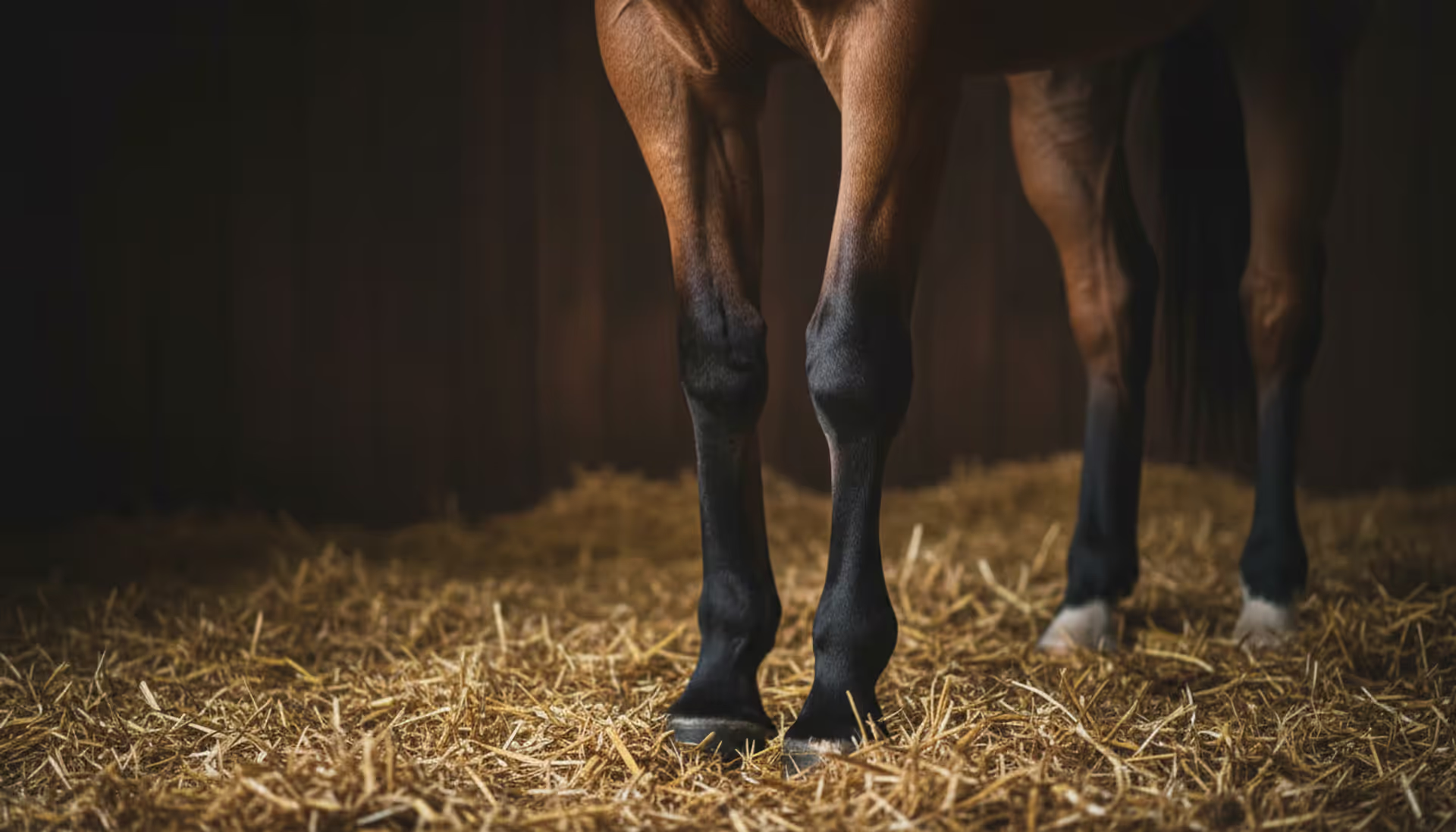
Horse soring represents one of the most painful and deliberate forms of animal abuse in competitive equestrian sports. This practice involves intentionally inflicting pain on a horse's legs and hooves to force an exaggerated, high-stepping gait that wins ribbons in certain show rings. Despite federal prohibition for over five decades, soring persists in pockets of the show horse industry, particularly among Tennessee Walking Horse exhibitors who chase the controversial "big lick" movement.
The mechanics are brutal: trainers apply caustic chemicals like diesel fuel, kerosene, or mustard oil to the horse's pasterns and coronary bands, creating chemical burns. They then wrap the legs to intensify the burning sensation. Heavy chains strike the raw, inflamed tissue with every step, teaching the horse to snatch its feet upward quickly to minimize contact with the ground. Pressure shoeing—where painful objects are wedged between the hoof and shoe—adds another layer of torment. Stacked shoes, sometimes reaching six to eight inches high, throw the horse's weight onto already tender areas.
Trainers resort to these methods because judges in certain competitions reward the extreme animation. A horse in constant pain lifts its front legs abnormally high while keeping its rear end low, producing the prized "big lick" gait. What spectators see as impressive movement is actually a pain response—the horse desperately trying to escape discomfort with every stride.
How Horse Soring Works
The soring process typically begins weeks before a competition. Trainers target the sensitive pastern area just above the hoof, where skin is thin and nerve endings are abundant. Chemical agents burn through the outer layers of skin, creating open sores and inflammation. Some trainers use combinations of substances: a base layer of DMSO (dimethyl sulfoxide) to carry other chemicals deeper into tissue, followed by caustic irritants.
After applying chemicals, perpetrators often wrap the legs in plastic or tight bandages. This "cooking" process traps heat and moisture, intensifying the chemical reaction. The horse stands in its stall for hours or days while the substances eat into living tissue. By the time wraps come off, the pasterns are raw, blistered, and hypersensitive to any touch.
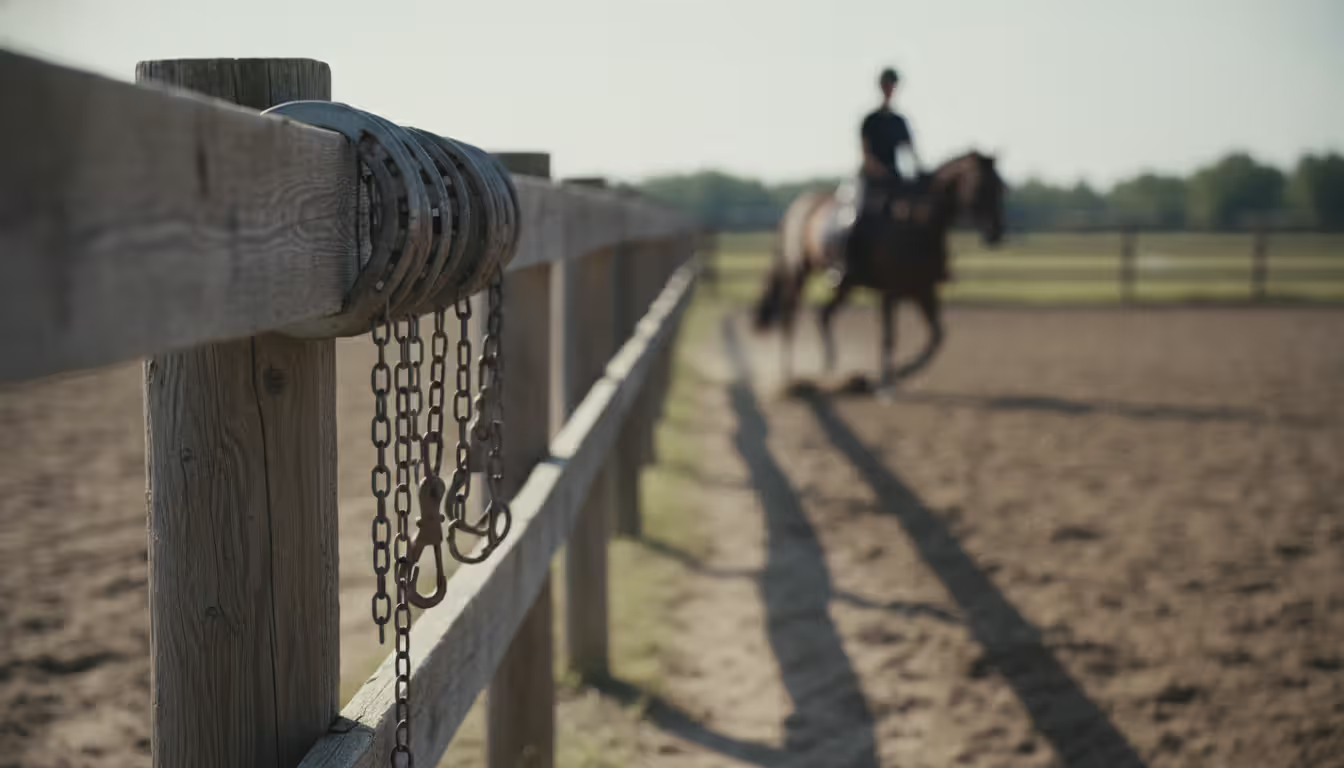
Action devices—the industry term for chains weighing six to eight ounces—are then fitted around the sored areas. During training and warm-up sessions before shows, these chains repeatedly strike the inflamed tissue. The horse learns that extending its leg forward brings the chain into contact with burned skin, so it develops a rapid, vertical leg motion to minimize chain contact time. This learned pain response becomes the animated gait that wins competitions.
Author: Daniel Whitmor;
Source: jamboloudobermans.com
Pressure shoeing adds mechanical pain to the chemical burns. Trainers may insert tacks, screws, or other objects between the hoof wall and shoe, or trim the hoof so severely that the horse essentially walks on bruised sole. Stacked shoes—multiple pads built up under the hoof—force unnatural weight distribution onto already traumatized areas. Some stacks reach extreme heights, making every step an exercise in balance and pain management for the horse.
The practice continues because it works from a competitive standpoint. A naturally gaited Tennessee Walking Horse moves with a smooth, ground-covering stride. A sored horse produces the exaggerated knee action that has dominated certain show ring classes for decades. Trainers who refuse to sore often cannot compete against those willing to inflict this abuse, creating a perverse incentive structure that punishes ethical horsemanship.
Tennessee Walking Horses and the Big Lick Controversy
Tennessee Walking Horses were originally bred in the mid-1800s as versatile plantation horses with a naturally smooth, four-beat running walk. This comfortable gait made them ideal for covering long distances without jarring the rider. The breed's natural talent was remarkable enough without enhancement.
The show ring culture shifted dramatically in the mid-20th century. As competitive exhibitions grew, judges began rewarding increasingly exaggerated movement. What started as appreciation for natural animation evolved into demand for extreme, unnatural action. By the 1960s, soring had become widespread in the show Tennessee Walking Horse industry, with trainers openly discussing methods at barns and competitions.
The "big lick" style emerged as the pinnacle of this distorted aesthetic. Horses in these classes wear stacked shoes sometimes exceeding eight inches in height, with chains that can weigh up to ten ounces. Their front legs flash upward in dramatic, rapid movements while their hindquarters remain low, creating a rocking-horse appearance that bears no resemblance to the breed's natural gait. Spectators unfamiliar with normal equine movement may find the display impressive, unaware they're watching a pain response.
Industry resistance to reform has been fierce and sustained. When Congress passed the Horse Protection Act in 1970, major segments of the Tennessee Walking Horse show community fought enforcement. Trade organizations lobbied for weaker regulations, challenged inspection protocols, and worked to install industry-friendly inspectors. Some trainers developed increasingly sophisticated soring methods designed to evade detection, including techniques that caused deep tissue damage without obvious surface scarring.
The controversy split the Tennessee Walking Horse community. Ethical breeders and trainers formed alternative organizations that banned stacks, chains, and action devices entirely, showcasing horses in their natural gaits. These "flat-shod" or "sound horse" divisions demonstrate what the breed can do without abuse. Meanwhile, traditional "performance" or "padded horse" divisions—where soring violations concentrate—continue at certain shows, though with declining participation as public awareness grows.
Show attendance at big lick events has dropped significantly over the past decade. Major venues have cancelled Tennessee Walking Horse competitions due to soring concerns. Corporate sponsors have withdrawn support. Yet a core group of exhibitors continues the practice, often in regional shows with less rigorous oversight. The cultural entrenchment runs deep in certain geographic areas and family dynasties that have built reputations and livelihoods around the big lick style.
The Horse Protection Act and Legal Penalties
Congress enacted the Horse Protection Act in 1970 after public outcry over documented soring abuse. The federal law makes it illegal to show, exhibit, sell, auction, or transport any sored horse. It also prohibits entering a sored horse in any horse show, exhibition, sale, or auction. The USDA's Animal and Plant Health Inspection Service (APHIS) holds enforcement responsibility.
Penalties under the HPA include both civil and criminal provisions. Civil violations can result in disqualification from showing for up to one year and fines. The USDA can issue official warnings for first-time minor infractions or assess civil penalties reaching $3,000 per violation for more serious cases. Repeat offenders face escalating fines and longer disqualification periods.
Author: Daniel Whitmor;
Source: jamboloudobermans.com
Criminal penalties apply to knowing violations and can include fines up to $5,000, imprisonment for up to three years, or both. A person commits a criminal violation by knowingly showing or exhibiting a sored horse, entering a sored horse in a show, or transporting a sored horse to or from a show or sale for the purpose of showing, selling, or exhibiting. The "knowingly" standard requires proof that the defendant had actual knowledge of the soring or acted with deliberate ignorance.
Regulatory amendments strengthened the HPA over the years. A 2017 rule—finalized after years of debate—eliminated the use of action devices on any horses wearing pads or stacks, established objective inspection criteria, and transferred inspection duties from industry-selected personnel to USDA-licensed inspectors. However, implementation faced delays and legal challenges from segments of the show horse industry.
By 2026, enforcement has improved but remains inconsistent. The USDA conducts random inspections at designated horse shows and can pursue both administrative actions and criminal referrals to the Department of Justice. Violation data shows that detection rates vary widely depending on inspector training, show management cooperation, and available testing resources.
Criminal Charges and Enforcement Challenges
Criminal prosecution under the HPA requires meeting a higher burden of proof than civil violations. Federal prosecutors must demonstrate that the defendant knowingly engaged in prohibited conduct. This standard protects innocent horse owners who may unknowingly purchase or show a sored horse, but it also makes convictions difficult when trainers claim ignorance or blame assistants.
Documented criminal cases have resulted in significant penalties. In 2022, a prominent Tennessee trainer received a three-year prison sentence and $50,000 in fines after investigators found extensive evidence of soring, including chemical burns on multiple horses and testimony from former employees. Another case in 2023 resulted in a two-year ban from the industry and $25,000 in fines for a trainer caught using prohibited substances during a USDA inspection.
Enforcement challenges persist due to resource limitations. The USDA employs a relatively small number of inspectors to cover hundreds of horse shows annually across multiple states. Inspectors face resistance from show management, exhibitors, and even spectators who view enforcement as government overreach. Some shows have been held at unlisted venues or with last-minute location changes to avoid USDA presence.
Evidence collection presents technical difficulties. Chemical soring may not leave visible marks if done carefully, and trainers have developed methods to mask scarring. Pressure shoeing requires radiographic examination to detect, which is not always feasible at show grounds. Horses may be given pain-masking drugs before inspection, though testing for these substances requires laboratory analysis that takes days to complete—long after the show has ended.
Witness cooperation is another obstacle. Barn employees who witness soring often fear retaliation or job loss if they report violations. The close-knit nature of some show communities creates social pressure against "snitching." Whistleblowers have reported harassment, threats, and blacklisting from certain segments of the industry.
Despite these challenges, prosecution rates have increased. The USDA has prioritized HPA enforcement, allocating additional inspector positions and training resources. Federal prosecutors in districts with significant show horse activity have developed expertise in these cases. Multi-agency task forces now coordinate investigations, combining USDA inspectors with state animal welfare officers and local law enforcement.
How USDA Inspectors Detect Soring
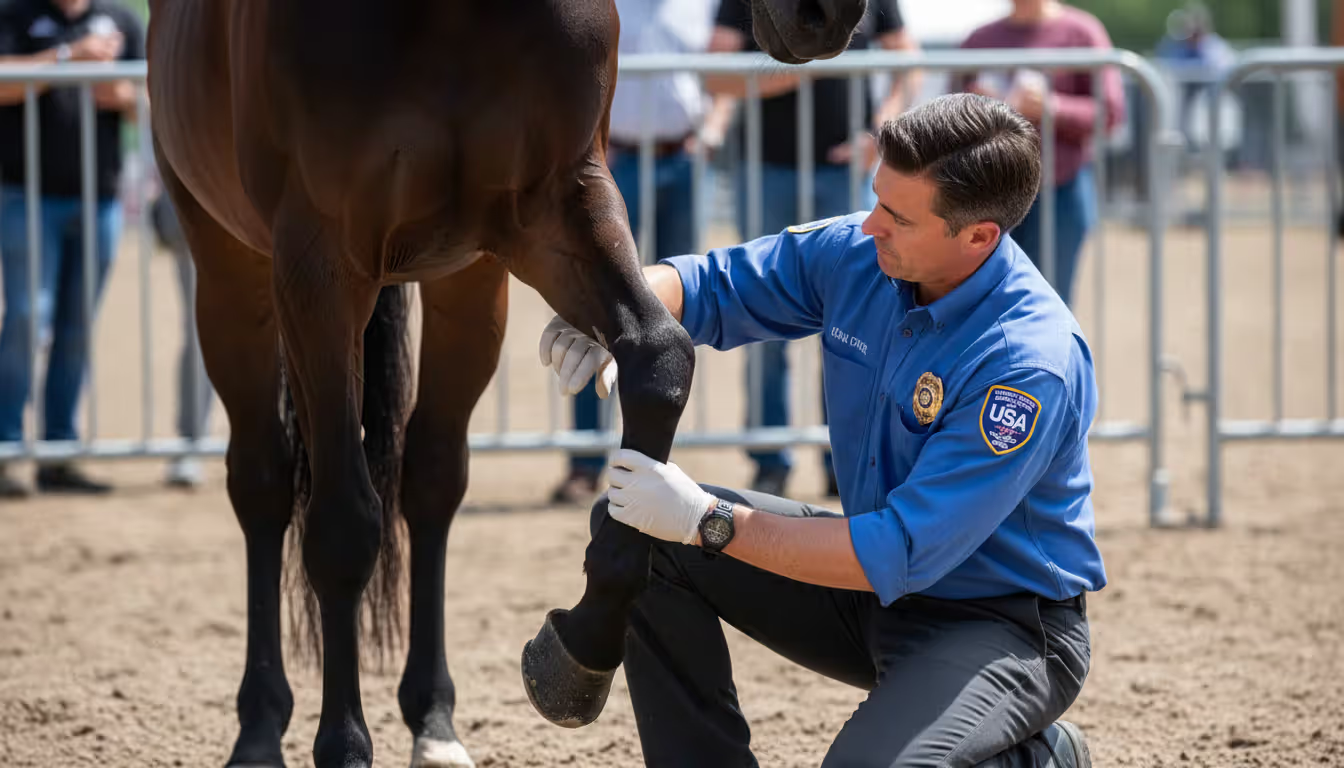
Inspection at horse shows follows standardized protocols designed to identify soring through multiple detection methods. USDA-licensed veterinary medical officers and inspectors examine horses before they enter the show ring, typically in designated inspection areas away from spectator view.
The primary detection method is digital palpation of the pastern area. Inspectors systematically feel both front legs, applying moderate pressure to detect pain responses. A sored horse will flinch, pull away, or show obvious discomfort when the inflamed tissue is touched. Inspectors compare responses between legs and against baseline normal reactions. They also look for heat, swelling, or textural changes in the skin that indicate inflammation.
Author: Daniel Whitmor;
Source: jamboloudobermans.com
The "scar rule" prohibits showing any horse with bilateral granulomas, other bilateral pathological evidence of inflammation, or bilateral excessive loss of hair on the front limbs. Scarring from repeated soring creates permanent tissue changes that inspectors can identify through visual examination and palpation. Horses with bilateral scarring patterns consistent with soring are disqualified even if no active inflammation is present—the scarring itself proves past abuse.
Thermography provides non-invasive detection of inflammation. Infrared cameras capture heat patterns on the horse's legs, revealing areas of increased blood flow and tissue damage. Freshly sored areas show elevated temperatures compared to surrounding tissue. This technology helps identify chemical burns that may not yet be visible to the naked eye or obvious through palpation alone.
Gas chromatography testing analyzes swabs taken from the horse's legs for chemical residues. Inspectors swab the pastern area, and samples are sent to laboratories for analysis. The tests can detect dozens of prohibited substances, including diesel fuel, kerosene, croton oil, and various industrial solvents. Positive results provide definitive evidence of chemical soring, though the testing process takes several days.
Results take days; only detects recent application; some substances metabolize quickly
Inspectors also examine shoeing for compliance with regulations. They check pad thickness, stack height, and hoof angles. Radiographic examination can reveal foreign objects wedged between the hoof and shoe, though X-ray equipment is not always available at show sites. Inspectors may remove shoes for closer examination if they suspect pressure shoeing, though this requires farrier assistance and is typically reserved for cases with strong evidence of violation.
The inspection process creates tension at shows. Trainers complain that aggressive palpation itself causes pain responses in sensitive horses, leading to false positives. Inspectors counter that proper technique distinguishes between normal sensitivity and pain from soring. The USDA has developed standardized palpation protocols and inspector certification programs to improve consistency and reduce subjectivity.
Current Enforcement and Ban Status
As of 2026, the USDA continues as the primary federal enforcement agency for the Horse Protection Act. APHIS conducts inspections at approximately 700 horse shows annually, though this represents only a fraction of all equine exhibitions nationwide. The agency has increased its inspector workforce and enhanced training programs, but budget constraints limit comprehensive coverage.
The Designated Qualified Person (DQP) program underwent significant reform following the 2017 regulatory changes. Previously, horse industry organizations (HIOs) certified their own inspectors, creating conflicts of interest. Under current regulations, DQPs must be licensed by USDA-certified organizations that meet strict independence and training standards. DQPs inspect horses at shows not covered by USDA inspectors, but their findings are subject to USDA oversight and verification.
Author: Daniel Whitmor;
Source: jamboloudobermans.com
Compliance rates show modest improvement but remain concerning in certain circuits. USDA data indicates that violation rates at major championship shows have decreased from historical highs, partly due to increased inspector presence and public scrutiny. However, smaller regional shows and private exhibitions continue to report higher violation rates. Some shows have been decertified or placed under enhanced monitoring due to persistent compliance problems.
State-level legislation has supplemented federal enforcement. Several states have enacted their own bans on soring or prohibited practices like stacked shoes and action devices. These state laws often carry additional penalties and provide enforcement tools for local animal control officers. States including California, New York, and Illinois have passed comprehensive anti-soring statutes with criminal penalties that exceed federal maximums.
Welfare investigations by animal protection organizations continue to document soring at shows and training facilities. Undercover investigations have captured video evidence of chemical application, pressure shoeing, and other abusive practices. This documentation has led to USDA enforcement actions, criminal prosecutions, and public awareness campaigns. Organizations like the Humane Society of the United States and Animal Wellness Action maintain active monitoring programs and work with whistleblowers from within the industry.
The ban enforcement landscape has shifted with changing public attitudes. Major equestrian organizations have distanced themselves from big lick showing. The American Horse Council supports strengthened HPA enforcement. Mainstream horse publications refuse advertising from trainers with soring violations. This cultural shift has isolated the remaining practitioners, though a determined minority continues the practice.
Ongoing challenges include jurisdictional gaps—the HPA only applies to horses shown or transported for showing, not to training practices at private facilities unless connected to exhibition. Some trainers sore horses during training but attempt to allow healing before shows, making detection more difficult. The law also does not cover all breeds or disciplines, though Tennessee Walking Horses account for the vast majority of violations.
Soring is one of the cruelest practices in the horse industry. These horses endure chemical burns, mechanical trauma, and constant pain—all to satisfy a misguided aesthetic preference. The pain is not incidental; it's the entire point of the practice. We have the laws, the detection methods, and the moral imperative to end this abuse. What we need is consistent enforcement and an industry culture that refuses to reward suffering
— Dr. Rachel Morrison
Frequently Asked Questions About Horse Soring
What does soring do to a horse?
Soring causes severe physical pain and psychological trauma. Chemical burns create open wounds that can become infected. Repeated trauma damages nerves, tendons, and ligaments in the lower leg. Horses develop chronic pain conditions, lameness, and permanent scarring. The psychological impact includes fear, anxiety, and learned helplessness. Many sored horses develop behavioral problems and lose trust in humans. The pain is not momentary—it persists for weeks or months, and tissue damage can be permanent.
Is horse soring still legal anywhere in the US?
No. The Horse Protection Act is federal law that applies throughout the United States. Soring is illegal in all 50 states for horses that are shown, exhibited, sold at auction, or transported for these purposes. Several states have enacted additional laws with broader prohibitions and enhanced penalties. No jurisdiction permits soring, though enforcement effectiveness varies by location and resources available to regulatory agencies.
How can you tell if a horse has been sored?
Visible signs include scarring on the pasterns, hair loss in bilateral patterns on the front legs, swelling or heat in the lower leg area, and an exaggerated, unnatural gait. A sored horse may flinch or pull away when its pasterns are touched. You might observe extreme sensitivity to leg handling, reluctance to move forward, or rapid, jerky leg movements. Chemical odors on the legs, unusual wrapping or bandaging, or resistance to having legs examined are warning signs. However, skilled abusers can minimize obvious indicators, which is why professional inspection with specialized equipment is necessary for definitive detection.
What happens to trainers caught soring horses?
Trainers face multiple consequences. Federal penalties include fines up to $5,000 per violation, disqualification from showing for one to three years, and potential imprisonment for up to three years for criminal violations. The USDA maintains a public database of violators. State laws may impose additional criminal charges, fines, and prohibitions on horse ownership or training. Professional consequences include loss of clients, damaged reputation, and exclusion from reputable shows and organizations. In severe cases involving multiple horses or egregious abuse, trainers have received multi-year prison sentences and lifetime industry bans.
Are Tennessee Walking Horses the only breed affected by soring?
Tennessee Walking Horses account for the overwhelming majority of soring cases, particularly in the big lick show division. However, soring has been documented in other gaited breeds including Racking Horses, Spotted Saddle Horses, and occasionally in other breeds where animated movement is rewarded. The practice concentrates in breeds and disciplines where judges historically valued exaggerated action. Flat-shod divisions of all breeds remain largely free of soring because the natural gait is rewarded without need for artificial enhancement.
Can a sored horse ever be rehabilitated?
Recovery depends on the severity and duration of abuse. Horses removed from soring and given proper veterinary care can heal from acute injuries, though this process takes months. Chemical burns require wound management and time to regenerate healthy tissue. Scarring may be permanent, and nerve damage can cause lasting sensitivity or numbness. With patient retraining, many horses can learn to move naturally again and regain trust in handlers. However, horses subjected to years of soring may have permanent physical damage, chronic pain conditions, and psychological trauma that limits full recovery. Early intervention dramatically improves rehabilitation prospects. Rescued horses often need specialized farrier care to correct hoof damage from stacked shoes and therapeutic work to address behavioral issues stemming from abuse.
Horse soring stands as an indefensible practice that inflicts deliberate suffering for competitive advantage. Despite federal prohibition since 1970, enforcement gaps and cultural resistance within certain show horse communities have allowed the abuse to persist. The mechanics of soring—chemical burns, pressure shoeing, and painful devices—cause both immediate agony and long-term damage to horses who have no choice in their treatment.
Progress has been made through strengthened regulations, improved detection methods, and shifting public attitudes. State-level legislation supplements federal enforcement, and industry organizations increasingly reject soring practitioners. Yet the practice continues in pockets of the Tennessee Walking Horse show world, particularly in big lick divisions where judges still reward the exaggerated gait that soring produces.
Ending soring requires sustained commitment from multiple stakeholders. Regulatory agencies need adequate resources for comprehensive inspection programs. Prosecutors must prioritize these cases and pursue meaningful penalties. Show organizers should implement zero-tolerance policies and cooperate fully with inspectors. Spectators and horse enthusiasts can support sound horse competitions and refuse to attend events where soring occurs.
The Tennessee Walking Horse breed deserves better than association with this abuse. These naturally talented horses can perform beautiful, ground-covering gaits without chemical burns or mechanical torture. Flat-shod divisions prove that ethical exhibition is both possible and popular with audiences who understand what they're watching.
If you suspect soring, report it to the USDA's Animal Care division or your state's animal welfare agency. Support legislation that strengthens enforcement and closes regulatory loopholes. Choose to attend and support horse shows that prioritize animal welfare over ribbons won through suffering. The horses cannot speak for themselves—they depend on informed, engaged humans to end practices that treat them as objects rather than sentient beings deserving of respect and humane treatment.
Surrendering an aggressive dog involves complex legal obligations and limited placement options. Between specialized rescues, sanctuary programs, and rehabilitation facilities, responsible pathways exist for owners committed to transparency and proper screening
Surrendering a dog is never easy. Financial hardship, housing changes, or behavioral challenges can force impossible choices. Learn where to surrender your dog for free, understand the complete process from intake to adoption, and discover your legal obligations and what really happens after relinquishment
A rehoming fee protects your dog from exploitation while finding a responsible new home. Discover typical fee ranges, legal considerations, required documentation, and why charging nothing puts your pet at serious risk. Includes contract templates and expert guidance
No kill cat shelters operate under specific guidelines affecting intake, euthanasia, and your rights as an adopter. Learn the 90% save rate standard, how these shelters differ from open admission facilities, when they can legally refuse cats, and what your adoption contract really means
The content on this website is provided for general informational and educational purposes only. It is intended to explain concepts related to animal law, pet ownership rights, service animals, dog bite liability, and animal welfare legislation in the United States.
All information on this website, including articles, guides, and examples, is presented for general educational purposes. Legal outcomes may vary depending on jurisdiction, state laws, and individual circumstances.
This website does not provide legal advice, and the information presented should not be used as a substitute for consultation with qualified attorneys or animal law professionals.
The website and its authors are not responsible for any errors or omissions, or for any outcomes resulting from decisions made based on the information provided on this website.