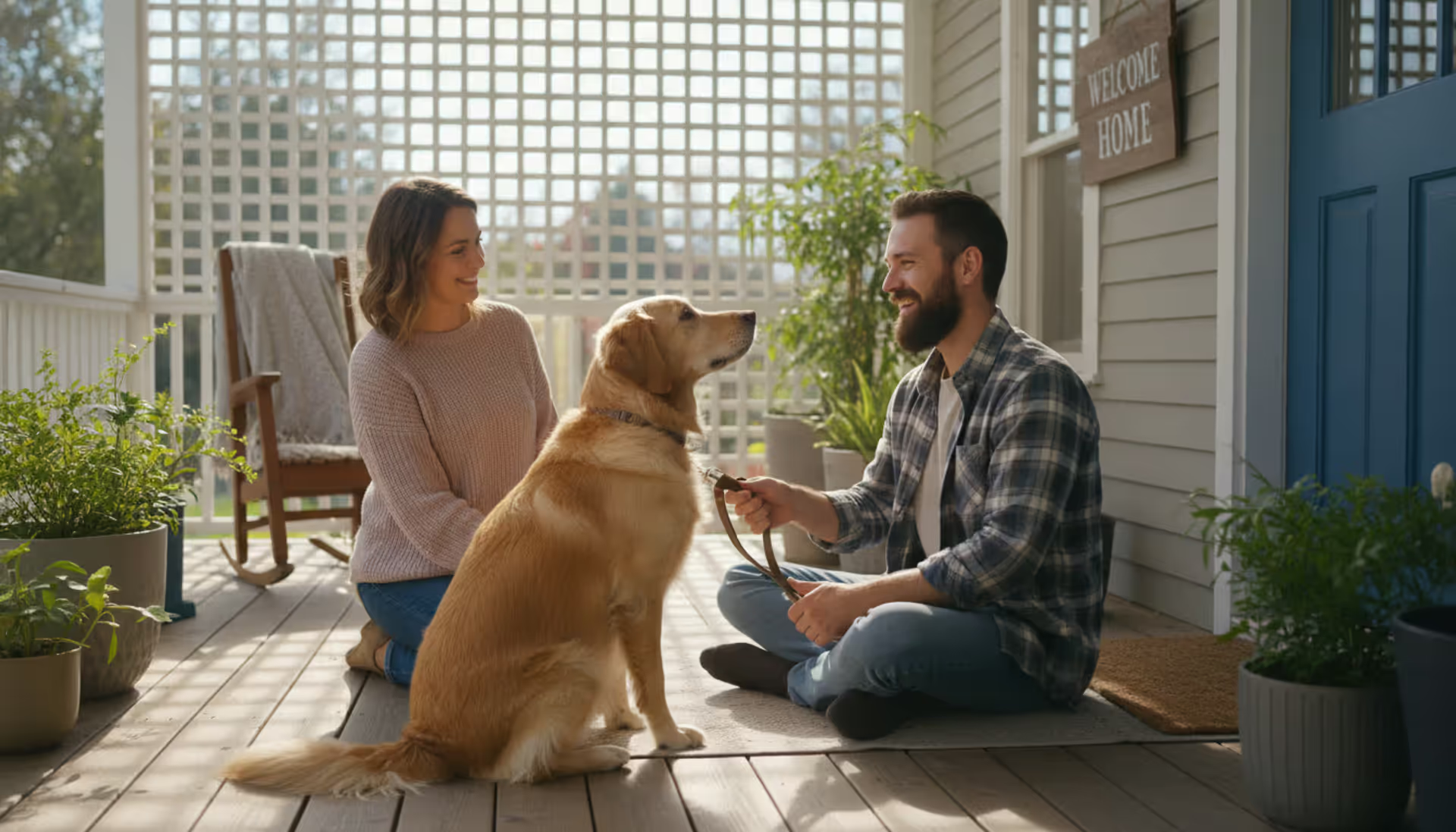
A Labrador retriever sitting calmly while its leash is being handed from one person to another on a sunny house porch, symbolizing the dog rehoming process
When circumstances force you to find a new home for your dog, you'll face an uncomfortable question: should you ask for money? Many pet owners feel awkward about charging a rehoming fee, worrying it makes them look heartless or greedy. Yet experienced rescuers and animal welfare professionals will tell you that charging nothing often leads to tragic outcomes.
A rehoming fee serves as both a screening tool and a protective barrier between your dog and those who prey on free animals. Understanding how these fees work, what amounts make sense, and how to handle the transaction legally can mean the difference between your dog landing in a loving home or ending up in a nightmare scenario.
Understanding Dog Rehoming Fees
A rehoming fee is money charged when transferring ownership of a pet from one private party to another. Unlike the adoption fees shelters charge, which help offset operational costs, a rehoming fee primarily functions as a deterrent against people seeking free animals for harmful purposes.
The concept is straightforward: someone willing to pay demonstrates both financial capability to care for a pet and serious intent. People looking for bait dogs, laboratory test subjects, or animals to flip for profit typically target "free to good home" listings because they operate on volume and minimal expense.
The distinction between a rehoming fee and selling a pet becomes important both legally and ethically. When you rehome, you're recovering some costs while prioritizing the animal's welfare and finding the right match. Selling focuses on profit maximization. A breeder selling puppies for $2,000 each runs a business. A family charging $150 to rehome their adult Labrador is cost-recovery with a protective barrier built in.
Most states don't legally differentiate between rehoming and selling at the transaction level—both involve exchanging an animal for money. The difference emerges in how you advertise, screen applicants, and price the animal. Rehoming emphasizes the pet's needs and new owner qualifications. Selling emphasizes the animal's desirable traits and market value.
How Much Should You Charge as a Rehoming Fee
Setting the right amount requires balancing several factors. Charge too little and you fail to deter bad actors. Charge too much and you might inadvertently enter "selling" territory, attracting buyers rather than adopters, or pricing out genuinely good homes.
Typical Rehoming Fee Ranges by Dog Type
Dog Category
Typical Fee Range
Notes
Adult mixed breed
$50–$200
Most common rehoming scenario
Adult purebred
$100–$400
Depends on breed popularity and age
Puppy (mixed breed)
$100–$300
Higher due to demand and training investment
Puppy (purebred)
$200–$600
Should still be well below breeder prices
Senior dog (8+ years)
$25–$150
Lower fees acknowledge medical costs ahead
Special needs dog
$0–$100
May require waiver depending on condition
Small breeds
$75–$350
Often higher due to demand
Large breeds
$50–$250
Lower due to housing restrictions and costs
These ranges reflect typical scenarios in 2026. They're not market prices—they're protective thresholds that still allow good families to adopt while stopping those with bad intentions.
Factors That Influence the Amount
Your dog's veterinary status matters significantly. A dog that's already spayed or neutered, current on vaccinations, microchipped, and heartworm-negative justifies a higher fee because you've invested in preventive care the new owner won't need to duplicate immediately. If you're including supplies—a crate, bed, remaining food, leash—you can factor in that value.
Geographic location plays a role. Urban areas with higher costs of living typically see higher rehoming fees. A $200 fee in rural Montana might be considered high, while the same amount in San Francisco seems reasonable.
Urgency affects pricing too, though it shouldn't. Owners facing eviction or sudden life changes sometimes drop fees to zero hoping for a faster placement. This almost always backfires. Bad actors specifically monitor listings for desperate owners.
For cat rehoming, the standard amounts run slightly lower—typically $25–$150 for adults and $50–$200 for kittens. Cats face similar exploitation risks, particularly from people seeking "feeders" for reptiles or training animals for dog fighting operations.
Legal Considerations and Regulations
The legal landscape around pet rehoming varies by state, and most regulations focus on commercial breeding and sales rather than private rehoming. You won't need a license to rehome your personal pet in most jurisdictions, but you should understand a few key points.
No federal law governs private pet rehoming transactions. State and local ordinances sometimes address it indirectly through animal welfare statutes. Some municipalities require permits for anyone transferring more than a certain number of animals per year—typically three to five—to prevent unlicensed breeding or flipping operations.
The purpose of a pet rehoming fee from a legal standpoint is cost recovery and responsible placement, not profit generation. If authorities ever question your transaction, being able to show you charged a reasonable fee, screened the adopter, and documented the transfer works in your favor.
Author: Lauren Beckett;
Source: jamboloudobermans.com
The distinction between rehoming versus selling matters if you're doing it repeatedly. Rehome your personal dog once? You're a private citizen making a one-time transfer. Acquire dogs and rehome them monthly for fees? You've likely crossed into operating as an unlicensed dealer or rescue, which triggers permit requirements and inspections in many states.
Written documentation protects both parties. While handshake deals are technically legal for pet transfers in most states, they leave you vulnerable if something goes wrong. If the dog bites someone a week after transfer and you have no proof the new owner accepted responsibility, you could face liability.
Why Rehoming Fees Protect Dogs from Harm
Animal welfare investigators will tell you that free animals face dramatically higher abuse and exploitation rates than those with even modest fees attached. The reasons are economic and psychological.
Dog fighting rings need bait animals—smaller dogs or gentle dogs used to train fighting dogs to attack. They prefer free animals because they need many of them and most won't survive. A $100 fee per dog makes this "business model" unsustainable. They'll simply move on to the next free listing rather than pay.
Research laboratories, particularly unregulated facilities, sometimes acquire animals through "free to good home" ads. Class B dealers—middlemen who supply animals to labs—have been documented trolling these listings. Again, fees create friction that pushes them toward easier targets.
Impulse adopters represent another risk. Someone scrolling social media who sees a free puppy might grab it without considering whether they can afford veterinary care, training, or long-term food costs. That same person often balks at a $150 fee, which forces a moment of consideration: "Do I really want this enough to pay?" That pause prevents many bad matches.
Rehoming fees serve as the first filter in responsible placement. Our data shows that animals placed with fees have 60% lower return rates and documented abuse cases drop to nearly zero compared to free placements. The fee amount matters less than having any barrier at all
— Dr. Emily Richardson
A rehoming fee also signals to serious adopters that you care about where your dog goes. People looking for a well-loved pet often view a reasonable fee as a positive sign that the owner is being thoughtful rather than just dumping an unwanted animal.
Setting Up Proper Documentation
Verbal agreements mean nothing if disputes arise. Proper documentation protects you legally and ensures the new owner understands their responsibilities.
A rehoming agreement should function as a legal contract. Essential elements include:
Required components: - Full names and contact information for both parties - Detailed description of the dog (breed, age, color, microchip number if applicable) - Rehoming fee amount and payment method - Date of transfer - Statement that ownership transfers completely to the new party - Health disclosure (known medical conditions, vaccination status) - Signatures and date
Recommended additions: - Return clause (if new owner can't keep the dog, it comes back to you rather than going to a shelter) - Spay/neuter requirement if not already completed - Agreement not to sell, transfer, or surrender the dog without notifying you - Acknowledgment that the new owner accepts all future responsibility and liability
Some owners include a "right of first refusal" clause stating they must be contacted before the dog is rehomed again. This prevents your dog from being flipped or ending up in a bad situation down the road.
For the rehoming fee receipt, document the transaction separately from the agreement. Include the date, amount paid, payment method, names of both parties, and a description of what the fee covers. If you're including supplies or veterinary records, list those items. Both parties should keep copies.
Keep these documents for at least three years. If liability questions arise or if someone later claims you sold them a sick dog, you'll need proof of what was disclosed and agreed upon.
Author: Lauren Beckett;
Source: jamboloudobermans.com
Risks of Not Charging a Rehoming Fee
The dangers of "free to good home" listings extend beyond the obvious abuse scenarios. Even well-meaning adopters who get a free dog sometimes value it less than one they paid for, leading to higher abandonment rates when challenges arise.
A family in Ohio learned this hard lesson in 2025 when they listed their friendly pit bull mix as free to a good home. The man who responded seemed nice during the brief meeting. Two weeks later, animal control found the dog chained in a yard with no shelter, twenty pounds underweight. The "adopter" claimed he thought free meant disposable and simply stopped feeding the dog when it became inconvenient.
Free listings attract hoarders who compulsively collect animals without ability to care for them. These individuals rarely pay for animals but will eagerly accept free ones until they have dozens living in squalid conditions.
Bunchers—people who collect free animals and sell them in bulk to research facilities—specifically target free listings. While Class B dealer regulations have tightened, illegal bunching still occurs. A $50 fee eliminates the profit margin that makes this practice viable.
Even the perception of "free" creates problems. Scammers sometimes respond to free pet ads not to take the animal, but to extract money through elaborate schemes. They'll claim they need shipping fees sent before they can pick up the pet, or they'll ask for veterinary records containing personal information they use for identity theft.
Author: Lauren Beckett;
Source: jamboloudobermans.com
Frequently Asked Questions About Dog Rehoming Fees
Is it legal to charge a rehoming fee for a dog?
Yes, charging a rehoming fee is legal throughout the United States when rehoming your personal pet. You don't need a license or permit for a one-time rehoming in most jurisdictions. However, regularly acquiring and rehoming animals for fees may require permits as an animal dealer or rescue organization. Check your local ordinances if you're rehoming more than two to three animals per year.
What's the difference between a rehoming fee and selling a dog?
The distinction is primarily one of intent and presentation. Rehoming focuses on finding the right home and may involve cost recovery for veterinary care and supplies. Selling focuses on profit and market value. Practically, both involve exchanging money for an animal, but rehoming includes thorough screening, reasonable fees below market rates, and prioritizes the animal's welfare over financial gain. Courts may consider factors like advertising language, screening processes, and whether you regularly engage in such transactions.
Can I charge a rehoming fee for a cat?
Absolutely. Cat rehoming fees typically range from $25 to $150 for adults and $50 to $200 for kittens. Cats face similar exploitation risks as dogs, including use as reptile food, bait animals, or laboratory subjects. The same principles apply: charge enough to deter bad actors while remaining accessible to good homes.
Do I need to provide a receipt for a rehoming fee?
While not legally required in most states for private transactions, providing a receipt protects both parties. It documents that payment occurred, shows the amount, and can include what the fee covered (vaccinations, spay/neuter, supplies). This protects you if the adopter later claims they paid more than agreed, and it gives them proof of transaction if questions arise about ownership.
What should be included in a rehoming agreement?
A solid rehoming agreement includes identification of both parties, detailed description of the animal, the rehoming fee amount, transfer date, health disclosures, and signatures. Add clauses requiring the dog be returned to you if the new owner can't keep it, prohibiting further sale or transfer without notice, and acknowledging the new owner accepts all liability. This contract protects your dog from being flipped and gives you legal recourse if terms are violated.
How do rehoming fees prevent animal cruelty?
Fees create an economic barrier that deters people seeking animals for harmful purposes like dog fighting, laboratory testing, or neglect. Someone needing bait dogs won't pay $100 each when free options exist. The fee also filters out impulse adopters who haven't considered the ongoing costs of pet ownership. Research shows animals placed with fees experience significantly lower abuse rates and better long-term outcomes than those given away free.
Charging a rehoming fee for your dog isn't about making money—it's about making sure your companion lands somewhere safe. The amount matters less than having some barrier that forces potential adopters to demonstrate both financial capability and serious commitment.
Set a fee appropriate to your dog's age, breed, and your investment in veterinary care. Document everything with a written agreement and receipt. Screen applicants carefully, asking about their experience, living situation, and why they want this particular dog.
Your dog depends on you to make this final decision wisely. A reasonable rehoming fee, combined with thorough vetting and proper documentation, gives your companion the best chance at a second happy chapter. The temporary awkwardness of discussing money is nothing compared to the permanent peace of mind knowing you did everything possible to protect an animal who trusted you.
Surrendering an aggressive dog involves complex legal obligations and limited placement options. Between specialized rescues, sanctuary programs, and rehabilitation facilities, responsible pathways exist for owners committed to transparency and proper screening
Surrendering a dog is never easy. Financial hardship, housing changes, or behavioral challenges can force impossible choices. Learn where to surrender your dog for free, understand the complete process from intake to adoption, and discover your legal obligations and what really happens after relinquishment
Horse soring involves deliberately inflicting pain on horses' legs to create an exaggerated gait for show competitions. This federal crime, primarily affecting Tennessee Walking Horses in big lick classes, uses chemical burns, pressure shoeing, and painful chains to force unnatural movement
No kill cat shelters operate under specific guidelines affecting intake, euthanasia, and your rights as an adopter. Learn the 90% save rate standard, how these shelters differ from open admission facilities, when they can legally refuse cats, and what your adoption contract really means
The content on this website is provided for general informational and educational purposes only. It is intended to explain concepts related to animal law, pet ownership rights, service animals, dog bite liability, and animal welfare legislation in the United States.
All information on this website, including articles, guides, and examples, is presented for general educational purposes. Legal outcomes may vary depending on jurisdiction, state laws, and individual circumstances.
This website does not provide legal advice, and the information presented should not be used as a substitute for consultation with qualified attorneys or animal law professionals.
The website and its authors are not responsible for any errors or omissions, or for any outcomes resulting from decisions made based on the information provided on this website.