Dog maulings don't announce themselves. One moment you're walking past a yard, the next you're fighting off an animal that's latched onto your arm or leg. These aren't nips that break skin—we're talking about attacks where dogs shake their heads violently, tear through muscle, and won't let go. The aftermath leaves people with wounds that plastic surgeons will be repairing years later. What you do in the first hour after escaping determines not just how well you heal, but whether you'll recover the six-figure medical costs these injuries typically generate.
Immediate Steps to Take Following a Dog Attack
Your brain floods with adrenaline during an attack. That's why people often don't remember exactly what happened. If teeth are still in you, priority one is creating distance. Throw whatever you're holding—a purse, water bottle, anything—between you and the dog's face. Running activates their chase instinct, which is the last thing you need. Back away without turning your back. Keep your hands protecting your neck and face.
Check yourself the moment you're clear. Maulings leave damage in clusters—multiple punctures in one area where the dog gripped and thrashed. You might see tissue that shouldn't be visible: yellow fat deposits, white tendons, even bone. That cloth you're wearing? Press it hard against wounds that won't stop bleeding on their own. When blood pulses out bright red in time with your heartbeat, you've got arterial bleeding. You're calling 911, not driving yourself anywhere.
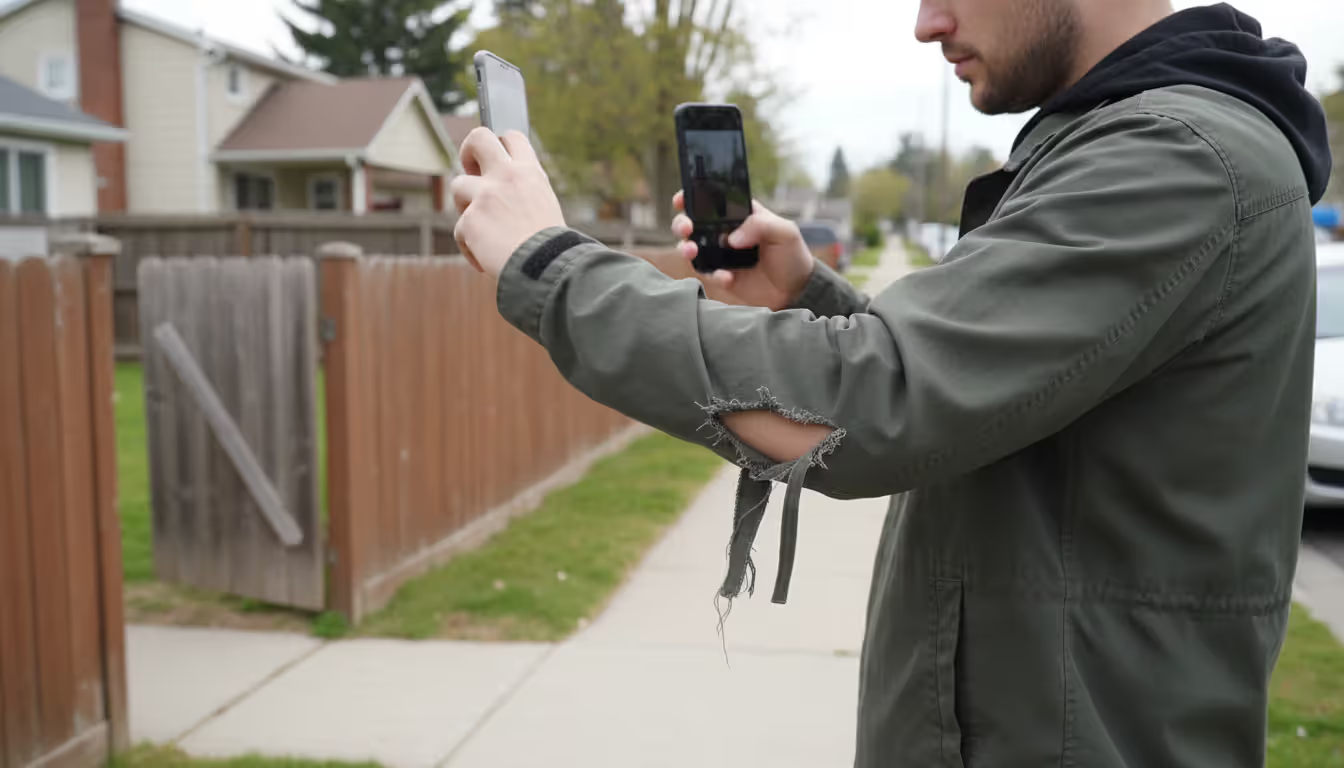
Here's what most victims miss: your phone has a camera. Before EMTs arrive and start bandaging everything, take photos. Capture the tears in your clothes, the bite patterns, the location where it happened. Blood evidence washes away. Bruising develops over days. You want images of the immediate damage, because insurance adjusters three months from now will claim your injuries "couldn't have been that bad."
Author: Lauren Beckett;
Source: jamboloudobermans.com
Get the owner's information before anyone leaves. You need their full name, address, phone number, and homeowner's insurance carrier. If they're dodging you or acting hostile, note their physical description and take a photo of their house number. Write down what the dog looked like—breed, color, size, collar details. Witnesses have a habit of becoming "unavailable" once lawyers get involved, so grab phone numbers from anyone who saw what happened.
Paramedics create a timestamped medical record that courts love. Even if you think you'll just go to urgent care later, let EMTs document your injuries. Their report carries weight that your own testimony never will.
How to Report and Document a Dog Mauling
Animal control needs to hear from you within 24 hours. Most counties actually require this timeframe, though they rarely enforce it against victims. The reason you're calling isn't just bureaucratic box-checking. Animal control quarantines the dog to monitor for rabies, which matters hugely if the owner can't produce vaccination records. They also pull up any previous complaints about this specific animal. Turns out "Fluffy has never done anything like this" often means "Fluffy bit three neighbors but we never reported it."
Police reports serve a different function than animal control reports. Your insurance company will demand a police report number. Personal injury attorneys won't touch cases without one. Call the non-emergency line if you're already at the hospital, but get that report filed while details remain sharp in your mind. Tell them everything: whether the dog was loose or fenced, if the owner yelled warnings before the attack, whether you saw "Beware of Dog" signage.
Documentation separates six-figure settlements from insurance lowballs. Photograph the attack location from every angle you can manage. If a gate was open or a fence had a gap, capture it. Missing warning signs? Document that absence. Property owners love claiming they had adequate barriers until photos prove otherwise. Security cameras and doorbell systems auto-delete footage after 48-72 hours, so if you see cameras nearby, knock on doors immediately requesting that footage be saved.
Witness statements lose value by the day. People forget specifics. They move. They decide they don't want involvement. Ask bystanders to write what they observed on their phones and text it to you, or record them on video describing the incident. You want their account of whether you provoked the dog (you didn't, but owners always claim this), whether it was restrained properly, and whether they heard the owner say anything relevant.
The dog's vaccination history determines whether you're getting rabies shots. That series involves multiple injections over two weeks and costs thousands of dollars. If the owner can't immediately provide proof of current rabies vaccination from a licensed vet, assume you're starting treatment today. Don't wait for animal control to track down records—rabies treatment delays can be fatal.
Medical Treatment and Long-Term Care for Mauling Injuries
Emergency departments see the difference between "dog bite" and "dog mauling" immediately. Bites leave punctures. Maulings leave destruction. The mechanical force of a large dog's jaw exceeds 400 pounds per square inch. When they grip and thrash, they're not just puncturing skin—they're crushing muscle, tearing connective tissue, and creating cavities where bacteria will thrive.
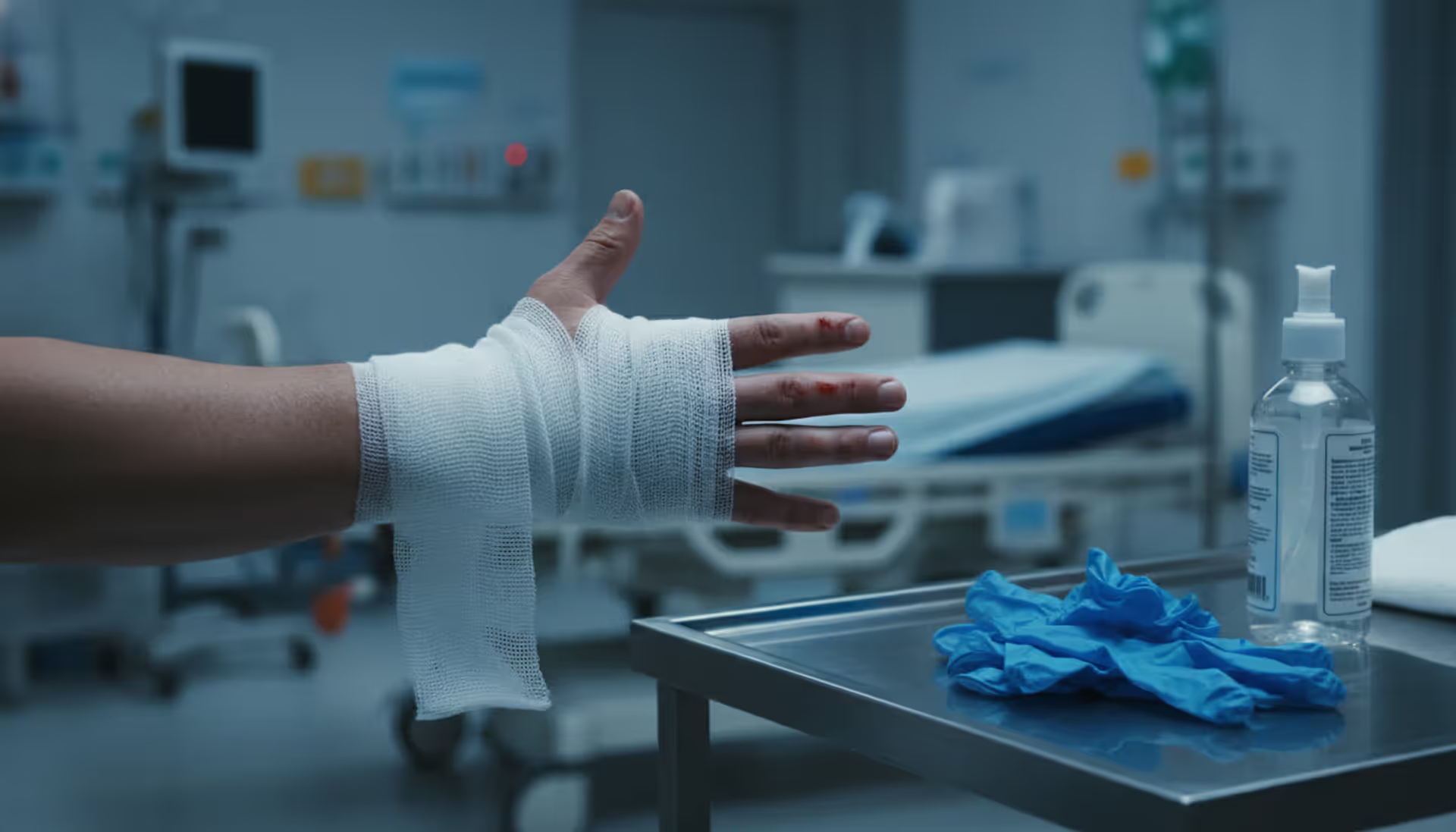
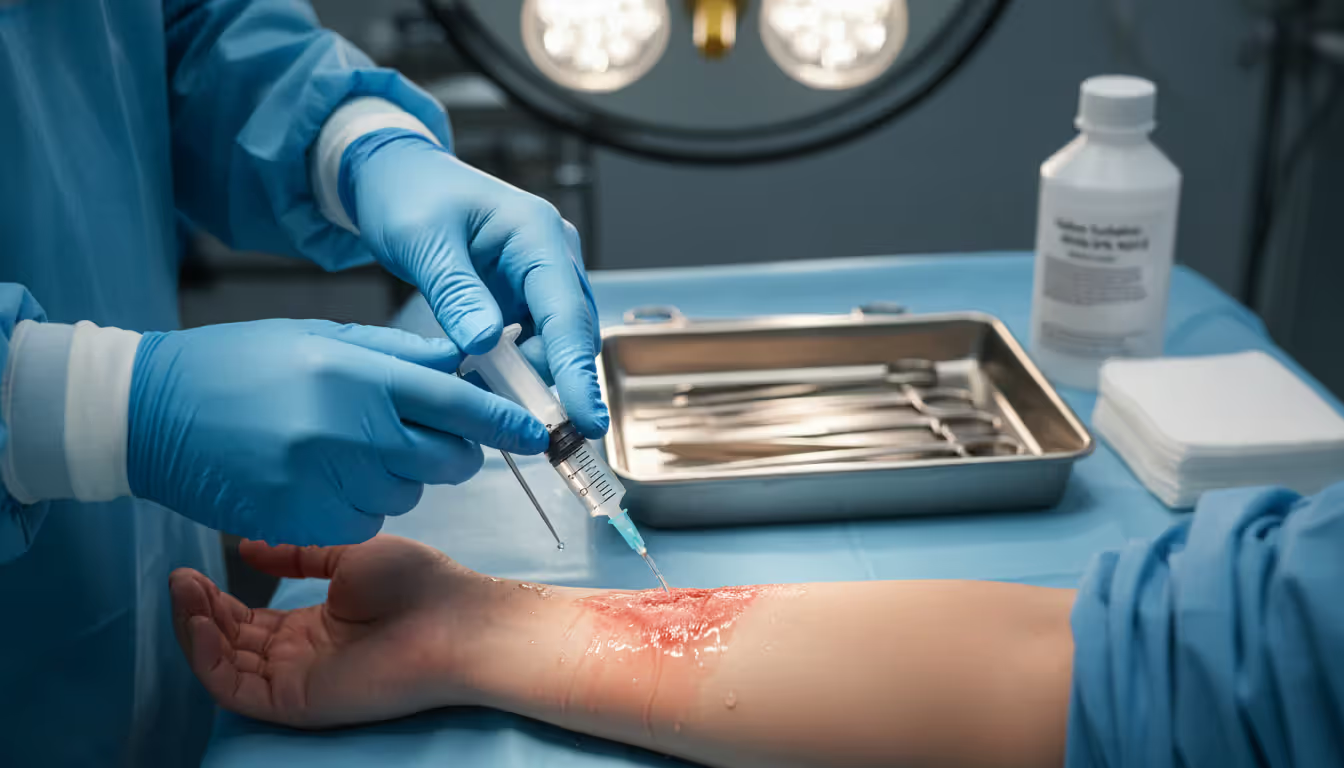
Expect doctors to spend significant time irrigating your wounds. They're flushing out dirt, fabric fibers, pieces of dog tooth, and the 60+ bacterial species living in dog saliva. This hurts. They can't numb you enough to make high-pressure irrigation comfortable, but skipping this step means infections that land you back in the hospital within 48 hours. Half of all dog puncture wounds become infected without aggressive cleaning. You'll leave with prescriptions for antibiotics that cover multiple bacteria types and a tetanus booster that makes your arm sore for days.
Author: Lauren Beckett;
Source: jamboloudobermans.com
Nerve damage shows up in weird ways. Your fingers won't grip. Your face droops on one side. You can't feel temperature on part of your leg. Dogs that bite faces often sever facial nerves, leaving people unable to close one eye completely or smile symmetrically. Hand attacks damage the median or ulnar nerves, destroying fine motor control you need for typing or holding utensils. Neurologists want to see you within a week of injury, not a month later. Surgical nerve repairs have time-sensitive success windows.
Reconstructive surgery becomes the new normal for mauling victims. The first surgery stabilizes—repairing torn muscles, reattaching severed tendons, setting broken bones. Surgeries two through six address scarring. Plastic surgeons use tissue expanders that slowly stretch surrounding skin over months, creating enough material to cover defects. Children need repeated procedures as they grow, since scars don't expand with developing bodies. One victim I researched required 13 separate surgeries between ages 8 and 22.
Psychological damage rivals the physical trauma. Half of severe attack survivors develop PTSD that interferes with daily functioning. Kids start wetting the bed again. Adults can't walk past dogs on sidewalks without panic attacks. Nightmares replay the attack nightly. These aren't weaknesses requiring you to "toughen up"—they're brain chemistry changes from life-threatening trauma. Cognitive behavioral therapy specifically targeting dog attack PTSD works, but you need to start sessions within weeks, not after symptoms have solidified for months.
Medical costs shock people. Initial hospitalization might run $40,000. Each reconstructive surgery adds $15,000-$30,000. Years of therapy—physical, occupational, and psychological—compound. Many severe maulings generate total medical expenses exceeding $250,000 across a lifetime. Understanding dog mauling medical and legal steps means tracking every medical bill, every prescription receipt, every parking fee for medical appointments. This documentation determines your compensation later.
The world breaks everyone, and afterward, many are strong at the broken places.
— Ernest Hemingway
Legal Rights of Dog Mauling Victims
State laws split into two camps on owner liability. Strict liability states make things simpler for victims—if the owner's dog bit you, they're liable. Period. You don't prove they knew the dog was dangerous. You don't establish negligence. Simple ownership creates legal responsibility. California, Florida, and Michigan take this approach, which is why cases settle faster and for higher amounts in these jurisdictions.
One-bite rule states protect owners the first time their dog attacks (hence the name). You'll need evidence showing the owner knew or should have known their dog posed risks. Prior attacks obviously qualify, but so do complaints from neighbors about aggressive behavior, certain breed characteristics if your city bans those breeds, or the owner's own statements about the dog being "protective." Texas, Virginia, and Maryland follow this framework, making cases more labor-intensive to prove.
Some states blend both systems in frustrating ways. New York applies strict liability when you're claiming medical expenses but requires proving negligence for pain and suffering damages. Pennsylvania only uses strict liability if your injuries meet their statutory definition of "severe"—otherwise you're back to proving owner fault.
Children get special protection in dog attack cases. Courts recognize that a five-year-old doesn't provoke a Rottweiler in any meaningful legal sense. Many states won't let owners claim comparative fault against child victims under age seven. Dog attack on child legal consequences frequently include criminal charges—reckless endangerment, child endangerment, or felony assault depending on severity. Owners who violated breed-specific ordinances face enhanced penalties when their banned dog mauls a child.
Author: Lauren Beckett;
Source: jamboloudobermans.com
Dangerous dog laws create additional liability angles. If the city or county previously declared this specific dog dangerous through administrative hearings, owners face strict containment requirements. Breaking those rules—leaving a declared-dangerous dog unconfined, failing to maintain required liability insurance, not posting warning signs—establishes automatic negligence. You won't need to prove anything beyond the violation.
Landlords sometimes share liability when they knew tenants kept dangerous dogs. Property owners who control common areas where dangerous animals roam face strict liability in several states. This matters when dog owners have minimal assets but rent from landlords with substantial insurance coverage.
Compensation Available in Dog Mauling Cases
Medical expenses form your baseline recovery. This includes everything: ambulance bills, emergency department charges, surgeon fees, anesthesia costs, medications, medical devices, physical therapy, occupational therapy, psychological counseling, and future medical needs projected by life care planners. Proper documentation requires itemized billing from every provider and written treatment plans from physicians explaining upcoming procedures.
Lost wages extend beyond your hospital stay. Physical therapy appointments, psychiatrist sessions, and revision surgeries pull you from work repeatedly. Permanent disabilities justify lost earning capacity claims—the gap between what you would have earned over your career and what you'll actually earn with your post-injury limitations. Vocational rehabilitation experts calculate these figures using labor market data.
Pain and suffering compensation addresses what insurance companies can't easily quantify—your physical agony during recovery, your emotional distress from disfigurement, your reduced quality of life when hobbies become impossible. Juries in severe mauling cases award substantial amounts here, often 2-3 times your medical expenses. Factors include how traumatic the attack was, how long recovery lasted, and how injuries permanently altered your daily existence.
Disfigurement damages recognize that visible scars carry unique burdens. Facial scarring changes how strangers react to you. Employers in customer-facing industries suddenly find reasons not to hire you. Dating becomes complicated when you're self-conscious about scars. Children face bullying that affects their entire adolescence. Pursuing a dog mauling disfigurement legal claim requires showing how these specific scars damaged your specific life—not generic claims that "scars are bad," but concrete examples of opportunities lost or relationships damaged.
Emotional distress compensation operates separately from pain and suffering. This addresses diagnosed conditions: post-traumatic stress disorder, major depressive disorder, generalized anxiety disorder, specific phobias. Mental health professionals must document symptoms and causally link them to the attack. Courts want evidence that your PTSD limits your functioning—you can't work certain jobs, you avoid public spaces, you require ongoing medication.
Wrongful death damages apply in the 30-50 annual fatal dog attacks. Fatal dog attack owner liability includes funeral costs, the financial support the deceased would have provided to dependents, loss of companionship for spouses and children, and sometimes punitive damages. Each family member may claim individual damages for their grief and lost relationship.
Punitive damages punish owners whose behavior went beyond negligence into recklessness. Owners who kept dogs with multiple attack histories, who violated court orders to contain dangerous animals, who bred fighting dogs—these cases justify punitive awards. Not every state allows punitive damages in dog cases, and those that do often cap amounts at specific multiples of compensatory damages.
When to Contact a Dog Bite Attorney
Small bites that heal in two weeks don't require lawyers. You had some punctures, got antibiotics, and you're fine. But maulings that put you in a hospital room change the calculation entirely. Contact an attorney when injuries required admission, when you've got facial trauma, when scarring will be permanent, or when nerve damage affected function.
Insurance denials happen constantly. Homeowner's insurers claim the attack happened off the insured property, or that policy exclusions eliminate coverage for this breed, or that the policy had actually lapsed despite the owner believing otherwise. Attorneys force insurers to honor coverage through coverage litigation or identify alternative compensation sources you wouldn't know existed.
Liability fights demand legal expertise. When owners insist you provoked their dog, trespassed on their property, or voluntarily assumed risk by petting the animal, you need representation to dismantle these defenses. Attorneys hire investigators who find prior complaints about this dog, locate additional witnesses, and develop evidence proving the owner's negligence.
Author: Lauren Beckett;
Source: jamboloudobermans.com
Child victim cases require specialized handling. Minors can't legally settle injury claims without court approval. Judges must determine whether settlements adequately account for lifetime impacts that haven't fully manifested yet. An eight-year-old's facial scars will affect their life for 70+ years. Attorneys experienced with pediatric injuries ensure settlements don't shortchange children based on current medical bills alone.
Permanent disfigurement justifies legal help regardless of other circumstances. Calculating fair value for lifetime scarring, multiple revision surgeries over decades, and psychological impacts requires medical expert testimony, life care planning, and understanding how juries value these injuries. Self-represented victims routinely settle for amounts covering maybe 20% of what juries would actually award.
Time matters more than most people realize. Statutes of limitations vary—Ohio gives you six years, California only two. Evidence preservation starts immediately though. Attorneys send spoliation letters preventing destruction of security footage, hire investigators while witnesses remain reachable, and consult medical experts while injuries stay fresh.
Dog Attack Statistics and Prevention Resources
Dog attack statistics severe injuries reveal patterns that surprise most people. Roughly 4.7 million Americans get bitten by dogs each year according to recent insurance industry data. About 850,000 of those bites need medical attention. But maulings severe enough to require hospitalization or that result in death? Those number around 16,000 annually based on CDC hospitalization data. That figure hasn't changed much in 15 years despite increased awareness campaigns.
Children bear the worst of it. Kids under age 10 represent 60% of fatal dog attack victims, with infants and toddlers facing highest risk. The height difference matters—when a Rottweiler bites a four-year-old, it's biting their face. Adult victims typically suffer arm and leg injuries. Pediatric victims get facial trauma requiring years of reconstructive surgery. The setting surprises people too. Most severe attacks on young children happen at home or at a relative's house, not from strange dogs in parks.
Breed-specific data creates controversy but can't be ignored. Pit bull-type dogs and Rottweilers account for roughly 75% of fatal dog attacks despite representing a much smaller portion of the overall dog population. German Shepherds, Huskies, and Malamutes show up in serious attack statistics more frequently than Golden Retrievers or Beagles. That said, experts emphasize that owner behavior—socialization practices, training methods, confinement decisions—matters more than genetics. Breed-specific legislation has failed in most jurisdictions that attempted it.
Fatality rates stay fairly constant at 30-50 American deaths annually from dog attacks. This consistency despite growing dog ownership suggests prevention efforts have some impact. Fatal attacks cluster around certain factors: unneutered male dogs, victims unfamiliar with the dog, and absence of intervening adults.
Dog attack trauma victim resources provide critical support that medical providers often overlook. The Clifford and Hurvitz Foundation funds research into prevention and provides emergency financial assistance when victims face immediate medical expenses their insurance won't cover. Local trauma support groups connect survivors with others who understand the unique recovery challenges. Many children's hospitals run specialized programs combining medical treatment with psychological support specifically designed for pediatric dog bite victims.
Community safety programs focus on education over breed bans since bans don't actually reduce bite rates. School programs teach children to recognize stressed dog body language, avoid approaching strange dogs, and never disturb dogs while they're eating or caring for puppies. The American Kennel Club's Canine Good Citizen program promotes responsible ownership through training requirements.
State-by-State Dog Bite Liability Laws
State
Legal Framework
Time Limit to File
Important Distinctions
California
Owner strictly liable
2 years from attack
History of aggression irrelevant
Texas
Knowledge of danger required
2 years from attack
Victim must establish owner knew of risk
Florida
Owner strictly liable
4 years from attack
Fault can be shared; trespassing victims excluded
New York
Hybrid system
3 years from attack
Automatic liability for bills; negligence needed for other damages
Victim proves vicious tendency and owner negligence
North Carolina
Strict for bills only
3 years from attack
Medical costs automatic; other damages need negligence proof
This table offers general guidance based on current state statutes. Local ordinances, recent appellate decisions, and your specific circumstances can modify these rules significantly. Consult a licensed attorney in your state for advice applicable to your situation.
Frequently Asked Questions
What should I do immediately after being mauled by a dog?
First, create distance from the dog if it's still aggressive—don't run, back away slowly. Once clear, check your injuries and press cloth against wounds that won't stop bleeding. Dial 911 if you're experiencing severe bleeding, dizziness, or signs of shock. Photograph your injuries and the location before medical providers clean and bandage wounds. Exchange information with the dog's owner including contact details and insurance carrier. Contact animal control and police within 24 hours to create official reports. Seek medical evaluation even when injuries seem manageable—internal damage and infection risks aren't always visible initially.
How long do I have to file a claim after a dog attack?
The deadline varies by state, ranging from two years in California and Texas up to six years in Ohio. However, waiting weakens your case as evidence disappears and memories fade. Consult an attorney within weeks of the attack to preserve evidence and meet filing requirements. Some jurisdictions impose shorter deadlines for claims against government entities if the attack involved a government-owned dog or occurred on public property.
Can I sue if the dog has no history of aggression?
Absolutely, in strict liability states like California, Florida, and Illinois. These jurisdictions hold owners responsible whether the dog previously showed aggression or not. In one-bite rule states like Texas and Georgia, you can still succeed by proving the owner was negligent—violated leash laws, failed to maintain fencing, or that circumstances should have warned them of danger even without prior attacks.
What if the dog owner has no insurance?
Multiple recovery sources may exist. Your homeowner's or renter's insurance might cover medical expenses through medical payments provisions. Health insurance pays treatment costs, though your insurer may seek reimbursement from any settlement. If the attack occurred on commercial property, business liability policies may provide coverage. Personal injury attorneys also investigate whether landlords share liability. As a last option, you can obtain judgment against the owner's personal assets, though collecting may prove challenging.
Are certain dog breeds more likely to cause fatal attacks?
Statistics demonstrate pit bull-type dogs and Rottweilers comprise the majority of fatal attack cases, though any dog can attack under certain circumstances. Breed alone doesn't determine danger—training, socialization, owner responsibility, and specific situations play enormous roles. Many jurisdictions abandoned breed-specific legislation after finding it ineffective, instead focusing on dangerous dog laws that target individual animal behavior rather than breed characteristics.
What compensation can I receive for permanent scarring?
Disfigurement compensation depends on location, visibility, size, your age, your occupation, and how scarring impacts your daily life. Facial scars generally justify higher awards than scars on typically covered body areas. Relevant factors include career limitations from visible scars, social relationship impacts, ongoing revision surgery needs, and psychological counseling requirements. Awards range from tens of thousands to well over a million dollars in severe cases involving children or extensive facial disfigurement. Plastic surgeons and vocational experts provide testimony helping establish appropriate compensation levels.
Recovery from severe dog attacks addresses both visible wounds and invisible trauma. Physical healing timelines vary based on injury severity, but psychological recovery typically takes longer. Don't dismiss emotional symptoms or postpone mental health treatment—post-traumatic stress becomes significantly harder to treat when unaddressed for extended periods.
Maintain detailed documentation throughout recovery. Keep a daily journal recording pain levels, treatment appointments, activity limitations, and emotional struggles. Photograph healing progress and any complications like infections or scar changes. Save every medical bill, prescription receipt, and record of missed work. This documentation becomes invaluable during settlement negotiations or trial presentation.
Resist settlement pressure. Insurance companies make low initial offers hoping victims will accept quick money before understanding their full damages. Once you sign a release, you cannot pursue additional compensation even when complications emerge later. Wait until you've completed treatment and understand permanent impairments before considering settlement.
Select your attorney carefully. Look for lawyers with specific dog mauling experience, not general personal injury practitioners handling car accidents primarily. Ask about their trial record—insurers settle more favorably with attorneys who actually try cases. Verify they have resources to hire necessary experts and advance litigation costs until case resolution.
Share your experience to protect others. Talk with neighbors, schools, and community organizations about what happened. Advocate for stronger local ordinances requiring proper containment and liability insurance for high-risk breeds. Support organizations researching bite prevention and assisting victims.
Your attack changed your life permanently in some way, whether through visible scars or invisible psychological wounds. But you have legal rights and available resources. Taking appropriate medical and legal steps protects your health, secures fair compensation, and holds negligent owners accountable. Pursuing justice transforms trauma into recovery and ensures responsible parties face consequences for their negligence.
When your dog bites someone inside your home or on your property, you face potential legal liability, insurance complications, and serious consequences. Understanding homeowner liability laws, insurance coverage, and your responsibilities can mean the difference between a manageable situation and financial devastation
Police K9 attacks can cause severe injuries and lasting trauma. Understand when you can sue for excessive force, how government liability works, what compensation you may recover, and the critical steps to protect your rights after a police dog bite incident
When your dog attacks another dog, euthanasia is not automatic. The outcome depends on injury severity, bite history, state laws, and circumstances. Understanding the dangerous dog declaration process, your rights during hearings, and legal consequences helps you navigate this crisis effectively
Persistent barking from a neighbor's dog can disrupt sleep and strain community relationships. This comprehensive guide explains how to file a dog noise complaint, including understanding local ordinances, documenting violations, navigating the enforcement process, and pursuing legal remedies when initial complaints fail
The content on this website is provided for general informational and educational purposes only. It is intended to explain concepts related to animal law, pet ownership rights, service animals, dog bite liability, and animal welfare legislation in the United States.
All information on this website, including articles, guides, and examples, is presented for general educational purposes. Legal outcomes may vary depending on jurisdiction, state laws, and individual circumstances.
This website does not provide legal advice, and the information presented should not be used as a substitute for consultation with qualified attorneys or animal law professionals.
The website and its authors are not responsible for any errors or omissions, or for any outcomes resulting from decisions made based on the information provided on this website.