Horse owners carry legal responsibilities that extend beyond basic care—failure to meet minimum standards can result in criminal prosecution, property seizure, and permanent ownership bans. Understanding the legal boundaries between acceptable husbandry and prosecutable neglect protects both animals and owners from preventable suffering and legal consequences.
What Is Considered Horse Neglect by Law
Legal definitions of horse neglect vary across jurisdictions, but most statutes establish baseline requirements for food, water, shelter, veterinary care, and safe living conditions. Unlike cruelty—which involves intentional harm—neglect typically stems from omission rather than action. An owner who fails to provide adequate nutrition commits neglect; one who deliberately starves an animal commits cruelty.
Federal law offers minimal protection for horses. The Animal Welfare Act excludes farm animals, and horses fall into a regulatory gray area unless transported commercially or used in research. State statutes carry the enforcement weight, creating a patchwork of protections that range from comprehensive to barely enforceable.
Most state codes define neglect as the failure to provide "adequate" or "proper" care. Texas law, for example, requires owners to provide "necessary food, water, care, or shelter." California statutes mandate that animals receive food, water, and protection from weather. These broad terms gain specificity through case law and veterinary standards.
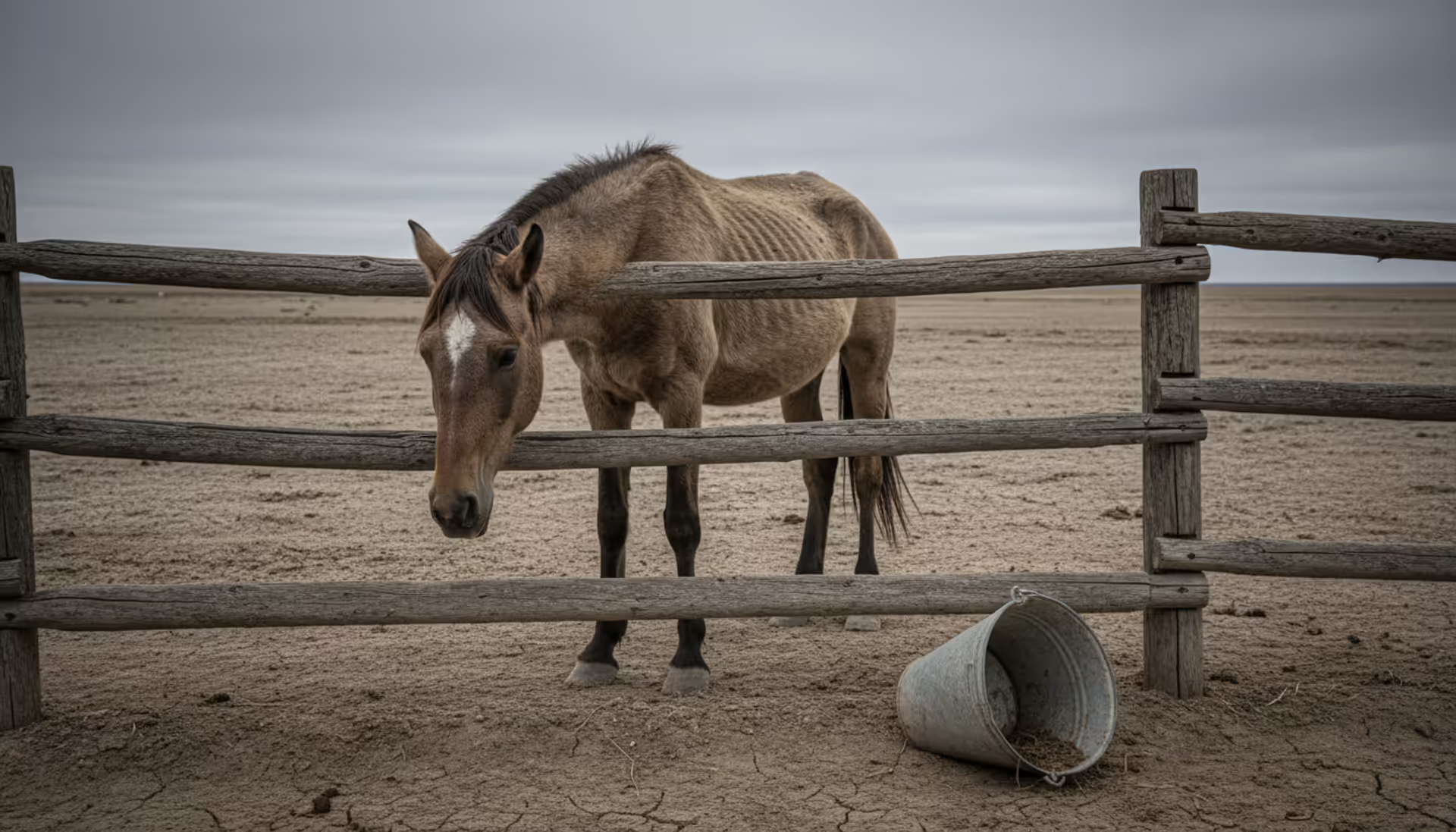
Physical neglect includes malnutrition, dehydration, untreated injuries, parasitic infestations, and hoof overgrowth. A horse with visible ribs and hip bones may trigger investigation, but seasonal weight fluctuations in hard-keeping breeds complicate assessments. Hooves grown into curled points constitute clear neglect—normal hoof maintenance requires trimming every six to eight weeks.
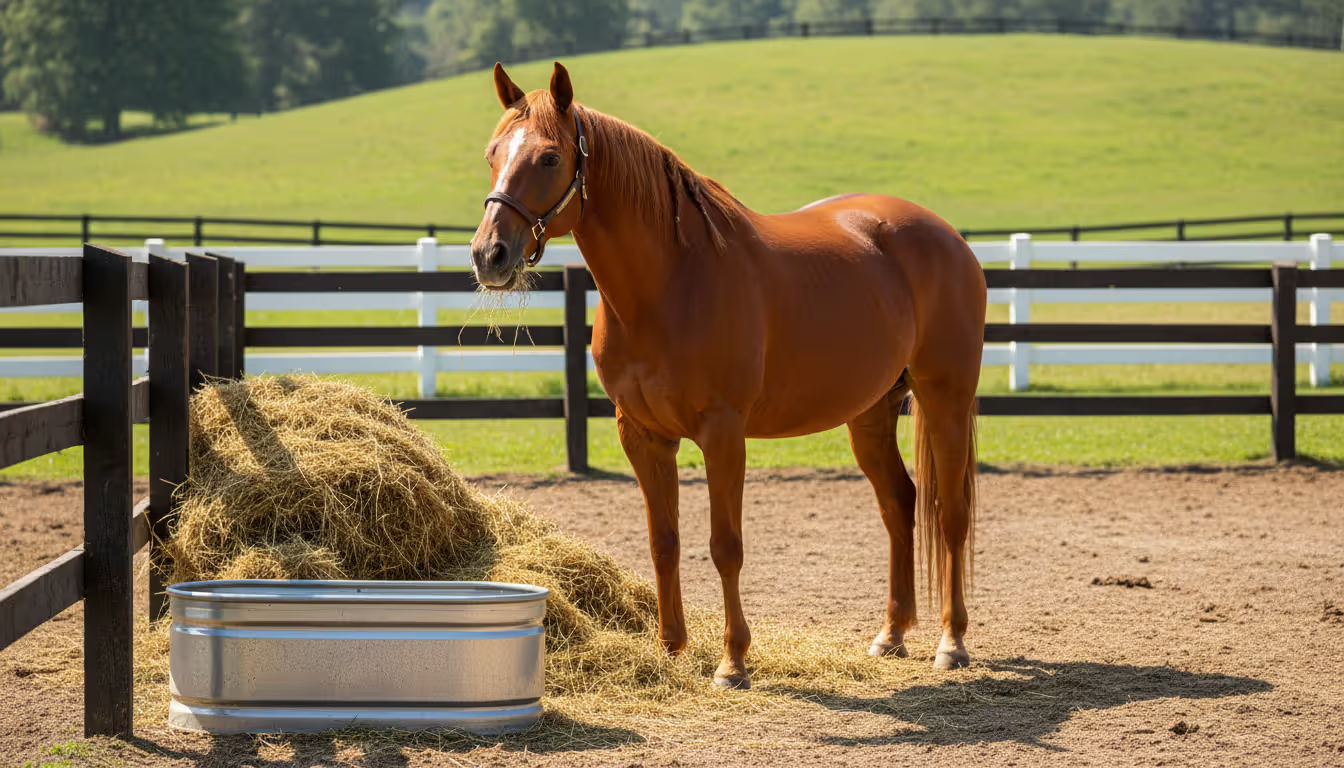
Environmental neglect encompasses inadequate shelter, contaminated water sources, dangerous fencing, and accumulations of waste. Horses need protection from temperature extremes, though "adequate shelter" definitions differ. In Florida, a three-sided run-in may suffice; in Montana, enclosed barns become necessary during winter storms. Standing water in a trough filled with algae and debris fails minimum standards everywhere.
Veterinary neglect occurs when owners ignore treatable conditions. A horse with an infected wound that worsens over weeks, or one suffering from obvious colic symptoms without intervention, demonstrates neglect. Owners need not provide premium care—emergency stabilization and basic treatment meet legal thresholds in most states.
Signs of Horse Neglect Authorities Look For
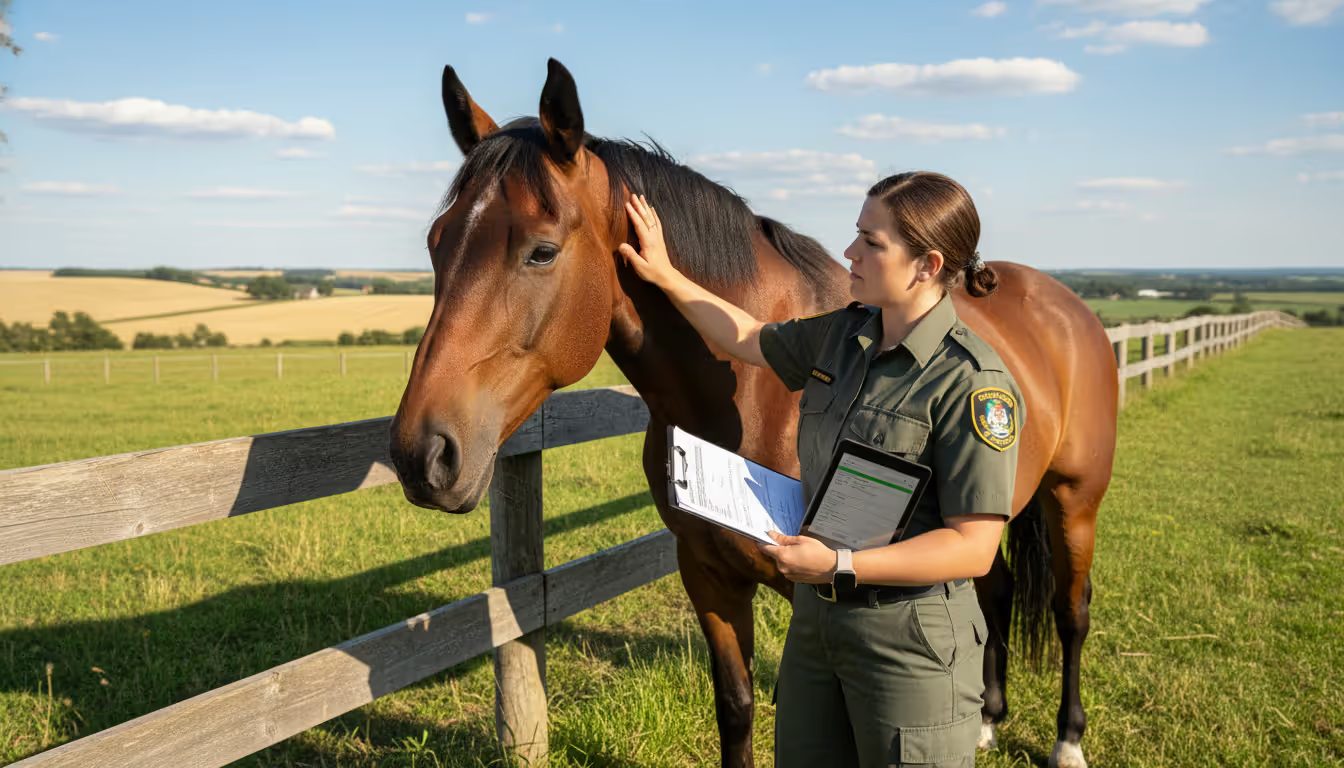
Animal control officers and humane investigators assess horses using standardized criteria that combine visual examination, environmental evaluation, and behavioral observation. The Henneke Body Condition Scoring system provides the foundation for malnutrition assessments.
Physical indicators that trigger concern include:
Body condition: Horses scoring 2 or below on the 1-9 Henneke scale show prominent skeletal structures. Ribs, tailhead, withers, and hip bones protrude with minimal fat coverage. Scores of 1 represent emaciation—sunken flanks, protruding vertebrae, and muscle wasting. Investigators photograph horses from multiple angles and may request veterinary body condition scoring for documentation.
Hoof condition: Overgrown hooves curl upward or crack extensively. Normal hoof wall growth measures roughly one-quarter inch monthly; hooves extending several inches beyond normal length indicate months of neglect. Thrush—a bacterial infection causing black, foul-smelling discharge in the frog—develops in chronically wet, dirty conditions.
Coat and skin: Dull, matted coats with visible skin conditions, rain rot (crusty scabs), or untreated wounds raise red flags. Severe lice or tick infestations create bald patches and constant scratching. Open sores, particularly around halters left on indefinitely, demonstrate failure to provide basic monitoring.
Dehydration: Sunken eyes, tacky gums, and skin that tents when pinched signal water deprivation. Investigators check water sources for accessibility, cleanliness, and whether they're frozen in winter or empty in summer.
Author: Marcus Redfield;
Source: jamboloudobermans.com
Environmental factors carry equal weight:
Fencing with exposed nails, sharp edges, or barbed wire at chest height creates hazardous conditions. Pastures devoid of forage, with horses repeatedly observed eating dirt or tree bark, indicate insufficient feed. Shelter structures that offer no protection—collapsed roofs, missing walls, or floors covered in years of manure accumulation—fail adequacy standards.
Behavioral signs include lethargy, reluctance to move, or aggressive food-guarding when approached. Horses that don't respond to human presence may be too weak or have learned that people bring no relief.
How to Report Horse Neglect to Authorities
Reporting suspected neglect requires documentation, appropriate contacts, and realistic expectations about response timelines. Emotional reactions to a thin horse don't always translate to prosecutable cases—investigators need evidence of legal violations, not just suboptimal care.
Step 1: Document observations. Photograph horses from both sides, front, and rear. Include full-body shots and close-ups of concerning conditions. Date-stamp images if possible. Note the property address, visible landmarks, and how many horses appear affected. Record observations over multiple days when feasible—a single visit might catch a horse mid-illness, while repeated documentation shows patterns.
Step 2: Identify the appropriate agency. Jurisdictional authority varies: - County animal control handles most cases in incorporated areas - Sheriff's departments cover unincorporated regions - State humane societies or SPCAs investigate in some states - State veterinarians or livestock boards address farm animal cases in agricultural states
Calling local non-emergency law enforcement numbers typically routes reports correctly. Some states operate dedicated animal cruelty hotlines.
Step 3: File a formal report. Provide factual observations without exaggeration. "Three horses with visible ribs and hip bones, no visible hay, water trough empty and green" carries more weight than "starving horses in terrible condition." Include your contact information unless reporting anonymously—follow-up questions often strengthen cases.
Step 4: Understand reporting protections. Many states allow anonymous reporting, though named complainants may provide more credible testimony if cases reach court. Good-faith reporters receive immunity from civil liability in most jurisdictions—you can't be sued for reporting suspected neglect unless you knowingly file false claims.
After reporting: Response times span hours to weeks depending on agency resources and case severity. Horses in immediate life-threatening distress may warrant emergency seizure; chronic poor condition typically triggers scheduled inspections. Investigators may visit without notifying complainants, and privacy laws often prevent agencies from disclosing case details to reporters.
Author: Marcus Redfield;
Source: jamboloudobermans.com
If initial reports produce no response, escalate to supervisors, county commissioners, or state-level agencies. Document all contact attempts. In extreme cases, media attention or equine rescue organizations may provide additional pressure, though this approach carries risks of interfering with investigations.
Criminal Charges and Penalties for Horse Neglect
Prosecutors evaluate neglect cases based on severity, duration, intent, and defendant history. The same basic facts might support misdemeanor charges in one county and felony prosecution in another, depending on statutory language and prosecutorial discretion.
Felony vs. Misdemeanor Classifications
Misdemeanor neglect typically involves first offenses with moderate severity—inadequate food causing weight loss but not emaciation, or failure to provide shelter during mild weather. Penalties include fines from $500 to $5,000, jail time up to one year, probation, and mandatory care standards. Courts may allow defendants to retain ownership with supervised compliance plans.
Felony charges apply when: - Neglect causes severe suffering or death - Multiple animals suffer simultaneously - Defendants have prior convictions - Aggravating factors exist (intentional deprivation, commercial operations, vulnerable animals)
Felony convictions carry prison sentences from one to five years, fines reaching $10,000 or more, permanent animal ownership bans, and felony records affecting employment and civil rights. Texas elevates neglect to a state jail felony when ten or more animals are involved. Virginia prosecutes severe neglect as a Class 6 felony with up to five years imprisonment.
Sentencing considers restitution—defendants pay seizure costs, veterinary care, and boarding expenses that accumulate rapidly. A single horse's care during a six-month case might exceed $3,000, multiplied by each animal seized.
Horse Abandonment as a Separate Offense
Abandonment statutes address owners who leave horses on properties without arranging care. Unlike passive neglect, abandonment involves affirmative departure. An owner who stops feeding horses but remains on the property commits neglect; one who moves away leaving horses behind commits abandonment.
California defines abandonment as leaving an animal without adequate care for more than 24 hours. Nevada allows 24-hour notice periods before abandonment charges apply. Penalties mirror or exceed neglect consequences—California prosecutes abandonment as a misdemeanor with up to six months jail time and $1,000 fines.
Foreclosure situations create legal complications. Homeowners who lose properties sometimes abandon horses, arguing financial hardship. Courts rarely accept economic justification—owners must surrender animals to rescues or authorities rather than leave them to starve. Some states allow lienholders to seize abandoned livestock to offset property costs.
The Horse Welfare Investigation Process
Neglect investigations follow structured protocols designed to gather evidence, ensure animal welfare, and preserve defendants' due process rights. Timelines vary dramatically based on case complexity and legal challenges.
Initial response (1-7 days): After receiving reports, investigators conduct site visits. Officers observe horses, photograph conditions, interview owners, and may request veterinary examinations. Cooperative owners who immediately improve care sometimes avoid charges. Uncooperative owners or severe neglect triggers enforcement action.
Evidence collection (1-4 weeks): Investigators document body condition scores, hoof measurements, and environmental hazards. Veterinarians perform examinations, draw blood for nutritional panels, and estimate how long horses have suffered deprivation. Necropsy reports on deceased horses provide critical evidence.
Owner notification: Most states require written notice specifying violations and compliance deadlines. Notices might allow 10-30 days for improvements like providing adequate feed, scheduling farrier appointments, or repairing fencing. Owners who comply may avoid prosecution.
Seizure procedures: When horses face imminent danger or owners fail compliance deadlines, authorities obtain seizure warrants. Officers remove horses to rescue facilities or impound facilities, documenting each animal's condition. Owners receive itemized receipts and information about retrieval processes.
Custody hearings (2-8 weeks post-seizure): Courts determine temporary custody while criminal cases proceed. Owners may regain horses by posting bonds covering care costs—often hundreds of dollars weekly per horse—and proving ability to provide adequate care. Most seizure cases result in permanent relinquishment when owners can't afford bonds or meet care standards.
Criminal proceedings (3-18 months): Prosecutors file charges, defendants enter pleas, and cases proceed to trial or plea agreements. Veterinary experts testify about suffering levels and care standards. Convictions require proof beyond reasonable doubt that defendants failed legal care requirements.
Resolution: Convicted defendants lose ownership, pay restitution, and face sentences ranging from probation to imprisonment. Acquitted defendants may regain horses if they meet care standards and pay impound costs. Many horses enter adoption programs through rescue organizations rather than returning to original owners.
Author: Marcus Redfield;
Source: jamboloudobermans.com
Legal Options When a Horse Needs Euthanasia
Euthanasia decisions during neglect cases involve medical necessity, legal authority, and liability concerns. Horses suffering beyond treatment capacity require humane death, but determining who can authorize euthanasia when ownership is disputed creates legal complexity.
Veterinary standards require euthanasia when horses experience: - Untreatable pain or suffering - Conditions incompatible with humane quality of life - Injuries or illnesses with no reasonable recovery prospect
The American Association of Equine Practitioners provides guidelines, but individual veterinarians exercise professional judgment. A horse with severe founder may justify euthanasia in one vet's assessment while another recommends aggressive treatment.
During active ownership: Owners maintain euthanasia authority until courts terminate their rights. Veterinarians who euthanize horses without owner consent face civil liability and potential license discipline, even when neglect is obvious. Exceptions exist for emergency situations where animals suffer imminent death and owners are unreachable.
After seizure: Custody transfers euthanasia authority to seizing agencies or courts. Impound facilities typically require judicial approval before euthanizing seized horses unless veterinary emergencies demand immediate action. Judges review veterinary recommendations and may order euthanasia over owner objections when suffering is documented.
Court-ordered euthanasia: Prosecutors sometimes request euthanasia orders for horses whose suffering supports criminal charges but whose treatment costs exceed available resources. Defendants may contest these requests, creating ethical dilemmas—keeping horses alive to preserve evidence while they continue suffering, or euthanizing them and potentially weakening prosecution cases.
Liability issues arise when euthanasia decisions prove controversial. Owners whose horses are euthanized post-seizure sometimes file wrongful death suits, claiming animals were treatable. Agencies that follow proper procedures—obtaining veterinary recommendations, documenting suffering, seeking judicial approval—typically prevail in such litigation.
Rendering and disposal methods must comply with environmental regulations. Burial, cremation, and rendering services all require proper permits and procedures, adding logistical complexity to euthanasia decisions during neglect cases.
State-by-State Horse Cruelty Laws Comparison
Legal protections for horses vary significantly across state lines, creating situations where identical conduct constitutes a felony in one state and a misdemeanor in another. Understanding these variations helps owners, advocates, and legal professionals navigate the enforcement landscape.
Strongest protection states: California, Illinois, Oregon, and Maine provide comprehensive statutes with clear definitions, strong penalties, and enforcement mechanisms. These states classify aggravated neglect as felonies, mandate veterinary reporting in some circumstances, and fund dedicated animal cruelty investigation units.
Weakest protection states: Several states maintain outdated statutes with minimal penalties and vague definitions. Some agricultural states exempt "customary farming practices" so broadly that enforcement becomes nearly impossible. Idaho and Wyoming have faced criticism for limited neglect provisions and low prosecution rates.
Mandatory reporting: Approximately fifteen states require veterinarians to report suspected animal cruelty, though requirements vary. California mandates reporting of animal fighting injuries. Other states make reporting permissive, leaving decisions to veterinary discretion. Mandatory reporting laws often include immunity provisions protecting veterinarians from client lawsuits.
Cross-jurisdictional issues: Horses moved across state lines to evade seizure create enforcement challenges. An owner facing charges in Colorado might trailer horses to Kansas, requiring interstate cooperation and extradition processes. Some regional task forces coordinate multi-state investigations, but resource limitations hamper these efforts.
State
Misdemeanor Threshold
Felony Threshold
Max Jail Time (Felony)
Max Fine
Ownership Ban
California
First offense, moderate neglect
Severe suffering or prior conviction
3 years
$20,000
Up to lifetime
Texas
Basic neglect, 1-9 animals
10+ animals or severe suffering
2 years
$10,000
Discretionary
Florida
Inadequate care, no severe harm
Intentional cruelty or death
5 years
$10,000
Up to 5 years
New York
First offense neglect
Aggravated cruelty
2 years
$5,000
Possible
Virginia
Basic neglect
Torture, mutilation, or repeat offense
5 years
$2,500
Possible
Illinois
Simple neglect
Aggravated cruelty or multiple animals
3 years
$25,000
Discretionary
Montana
Inadequate care
Purposeful suffering or death
2 years
$2,500
Up to 5 years
Kentucky
First offense
Torture or second offense
5 years
$10,000
Possible
The table reflects general patterns; specific cases depend on detailed statutory language, prosecutorial discretion, and case facts. Some states enhance penalties when children are present during cruelty, when commercial operations are involved, or when defendants hold positions of trust.
The most common form of neglect I encounter isn't malicious—it's owners who become overwhelmed and don't seek help until horses are critically compromised. By the time we're called, what started as a temporary financial setback has progressed to body condition scores of 2 or below. Early intervention through community resources, hay banks, and temporary foster programs could prevent 60-70% of the severe cases I examine. The tragedy is that most of these owners love their horses but don't understand that asking for help early is both legal and responsible
— Dr. Sarah Mitchell
Frequently Asked Questions
Can you go to jail for horse neglect?
Yes, horse neglect can result in jail time, particularly for felony convictions. Misdemeanor sentences typically involve probation, fines, and community service, though judges may impose jail terms up to one year. Felony neglect—involving severe suffering, multiple animals, or repeat offenses—carries prison sentences ranging from one to five years depending on state statutes and case severity. First-time offenders with moderate neglect often receive probation and mandatory compliance programs rather than incarceration.
How long does a horse neglect investigation take?
Investigation timelines span weeks to over a year depending on case complexity. Simple cases with cooperative owners might resolve within 30-60 days through compliance agreements. Cases involving seizures, custody disputes, and criminal prosecution typically require 6-18 months from initial report to final resolution. Emergency situations may result in same-day seizures, while chronic neglect cases with borderline evidence require extended documentation periods. Court backlogs, continuances, and appeals extend timelines further.
What body condition score is considered neglect?
Most jurisdictions consider body condition scores of 2 or below on the Henneke 1-9 scale as evidence of neglect, though context matters. A score of 1 represents severe emaciation with obvious starvation. Scores of 2 show prominent bone structure with minimal fat coverage. However, a single thin horse doesn't automatically prove neglect—recent illness, age-related weight loss, or hard-keeping breeds require individual assessment. Investigators evaluate body condition alongside other factors like available feed, veterinary care history, and whether the owner is attempting to address the condition.
Can I be charged with neglect if I surrender my horse?
Voluntary surrender to rescues or authorities typically prevents neglect charges if done before severe suffering occurs. Owners facing financial hardship, health problems, or other challenges can legally relinquish horses to humane societies, rescue organizations, or livestock agencies. However, abandoning horses on properties without arranging care constitutes a separate criminal offense in most states. Additionally, surrendering a horse after months of severe neglect may not prevent prosecution—authorities can still file charges based on suffering that occurred before surrender.
Do all states require veterinarians to report horse neglect?
No, mandatory veterinary reporting requirements exist in only about fifteen states, and specifics vary widely. Some states require reporting only when treating injuries from animal fighting. Others mandate reporting any suspected cruelty or neglect. Many states make reporting permissive rather than mandatory, allowing veterinarians to report suspected abuse without requiring it. States with mandatory reporting typically provide immunity from civil liability for good-faith reports. Veterinarians who fail to report in mandatory-reporting states may face professional discipline, though enforcement is inconsistent.
What happens to seized horses after a neglect case?
Seized horses typically enter foster care with rescue organizations or impound facilities while cases proceed. If owners post bonds and meet compliance requirements, they may regain custody. Most seized horses never return to original owners—financial inability to pay mounting impound costs, failure to demonstrate adequate care capacity, or criminal convictions result in permanent ownership termination. Courts then transfer ownership to seizing agencies, which adopt horses to qualified homes, place them with rescue sanctuaries, or in cases of severe medical compromise, authorize humane euthanasia. Adoption processes screen potential owners to prevent recurrent neglect.
Horse neglect prosecutions reflect society's evolving recognition that animal ownership carries enforceable legal responsibilities. The gap between minimal legal standards and optimal care creates a buffer zone where substandard husbandry doesn't trigger prosecution, but crossing into territory where horses suffer from inadequate food, water, shelter, or medical care invites criminal consequences.
Effective advocacy requires understanding that emotional reactions to thin horses don't always align with prosecutable neglect. Documentation, appropriate reporting channels, and realistic expectations about investigation timelines produce better outcomes than confrontational approaches. For horse owners, the message is straightforward: when circumstances prevent meeting care standards, proactive surrender or requests for assistance avoid criminal liability that comes with allowing horses to deteriorate.
The state-by-state variation in statutes, penalties, and enforcement priorities means that location significantly impacts outcomes. An act constituting a misdemeanor in one state may be a felony across the border. As animal welfare laws continue strengthening nationwide, owners and advocates alike benefit from understanding the legal frameworks that define acceptable care and the consequences of falling short.
The commercial dog breeding industry produces millions of puppies annually in conditions most pet owners never see. Understanding the welfare problems, health consequences, and ethical issues behind puppy production helps consumers make informed decisions that reduce animal suffering and save lives
The dog meat trade involves breeding, transporting, and slaughtering millions of dogs annually for human consumption, primarily in Asia. Despite growing bans worldwide, enforcement challenges persist. Learn about US laws, international legal status, cruelty concerns, and advocacy efforts
Dog abuse encompasses deliberate physical harm, severe neglect, and psychological torment under federal and state laws. Learn to recognize physical and behavioral signs, document evidence properly, and report through correct legal channels. Penalties range from misdemeanors to felonies with up to 10 years imprisonment
Some dog breeds suffer from genetic conditions so severe that experts question whether continuing their bloodlines constitutes cruelty. Understanding unethical breeding practices means examining breathing problems, shortened lifespans, and the legal frameworks designed to protect animals from profit-driven operations
The content on this website is provided for general informational and educational purposes only. It is intended to explain concepts related to animal law, pet ownership rights, service animals, dog bite liability, and animal welfare legislation in the United States.
All information on this website, including articles, guides, and examples, is presented for general educational purposes. Legal outcomes may vary depending on jurisdiction, state laws, and individual circumstances.
This website does not provide legal advice, and the information presented should not be used as a substitute for consultation with qualified attorneys or animal law professionals.
The website and its authors are not responsible for any errors or omissions, or for any outcomes resulting from decisions made based on the information provided on this website.