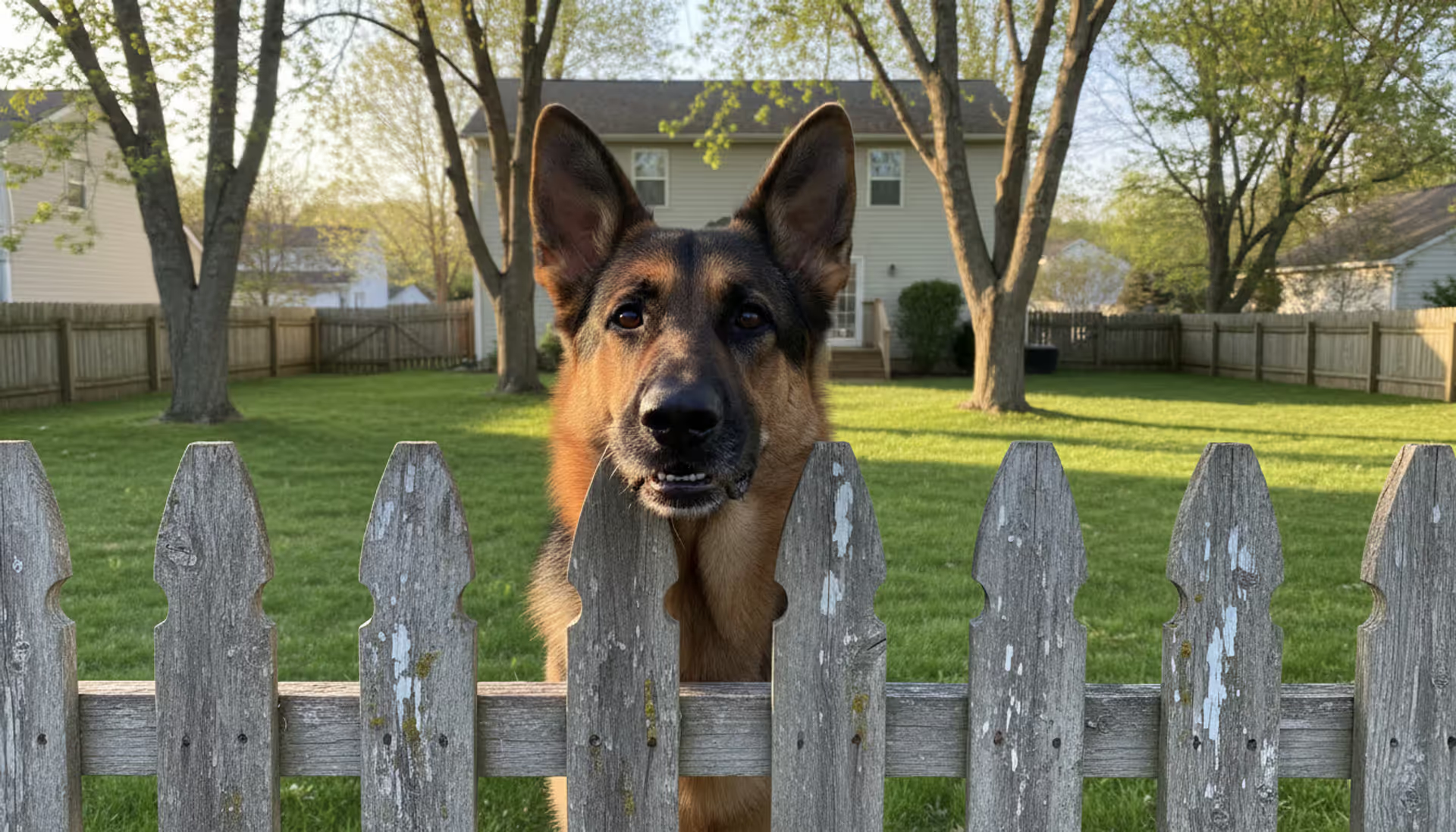
Blood everywhere. Someone's screaming. Your German Shepherd just bit the neighbor's kid who reached through the fence. Now what?
The legal consequences aren't straightforward. Where you live matters more than you'd think. So does whether Fido ever growled at anyone before this happened, and what that eight-year-old was doing right before teeth met skin.
About 4.7 million Americans get bitten annually. Emergency departments see roughly 850,000 of those cases. Some victims need a few stitches. Others face reconstructive surgery, permanent nerve damage, or psychological trauma requiring years of therapy.
State legislatures, judges interpreting centuries-old precedents, and city councils all create overlapping rules governing these incidents. Your homeowner's insurance might cover everything, some of it, or—if you own a pit bull in certain markets—nothing at all.
How Dog Bite Liability Works in the United States
Three different legal frameworks control dog bite cases nationwide, and they couldn't be more different from each other.
Under strict liability, proving the dog bit you essentially wins your case. The animal's behavioral history? Doesn't matter. How carefully the owner supervised the dog? Irrelevant. Warning signs posted? Won't help. States like California, Illinois, and Michigan chose this approach because they decided dog ownership comes with absolute responsibility for injuries your animal causes.
The one-bite rule sounds like dogs get one free attack. That's not how it works. Victims must show the owner had reason to know the dog might hurt someone. That first bite certainly provides notice, but so do lots of other warning signs—prior complaints, lunging behavior, aggressive posturing, or breed characteristics combined with inadequate training. Texas and Virginia stick with this traditional common law approach.
Negligence-based liability focuses on what the owner did wrong. Did they violate leash ordinances? Ignore obvious warning signs their dog felt threatened? Let an aggressive animal interact unsupervised with children? The owner's conduct gets examined closely, and victims must connect that carelessness directly to their injuries.
When cases go to trial or settle, medical bills represent just the starting point. Lost wages, disfigurement compensation, future treatment costs, and psychological counseling expenses all get included. Severe facial scarring on a teenager? Permanent disability from a mauling? Settlement values routinely hit $500,000 and climb past seven figures.
Dog bite negligence law digs deep into context. Take a postal carrier who gets bitten by a terrier that's repeatedly lunged at the fence whenever mail arrives. Even in a one-bite state, that owner might lose because they recognized the pattern but did nothing. Violating local leash laws or failing to post warning signs can establish the carelessness that shifts liability toward owners.
Here's what surprises people," she says. "In California, your dog's perfect track record means absolutely nothing in court. Zero prior incidents, extensive training, gentle temperament for six years—irrelevant. One bite, you're paying. But drive to Texas? Suddenly that spotless history becomes your strongest defense
— Sarah Mitchell
Strict Liability vs. One Bite Rule Explained
What Is the Strict Liability Rule for Dog Bites
The strict liability dog bite rule wipes out nearly every owner defense you might imagine. Your golden retriever bit someone who had legitimate reasons for being on your property? You're responsible. Period.
The victim doesn't need to prove anything about your dog's past. Never bitten anyone? Doesn't help you. Completed extensive obedience training? Still liable. Zero complaints from neighbors? Irrelevant in court.
This isn't absolute liability with zero exceptions. Trespassing still matters. So does provocation—if the victim was hitting or tormenting your dog, you might escape liability. Veterinarians and vet techs performing medical procedures typically can't sue for occupational hazards. But the default position heavily favors injury victims.
Why do states choose this approach? The reasoning goes like this: You voluntarily chose to own a dog. That decision brings inherent risks you willingly accepted. When those risks materialize and someone gets hurt, you should pay rather than forcing injured people to prove you did something wrong.
This makes adequate liability insurance non-negotiable in places like New Jersey or Florida. You're essentially self-insuring if you skip coverage or let policies lapse.
How the One Bite Rule Works
Despite the confusing name, one bite rule states explained means victims carry a heavier burden of proof. They must establish owners knew—or reasonably should have known—their dogs posed dangers to people.
Evidence establishing that knowledge includes:
Prior bite incidents documented through animal control reports
Near-misses where the dog attempted to bite but didn't connect
Breed characteristics (guarding dogs, terriers bred for aggression) combined with training gaps
Warning signs the owner posted (which ironically prove you recognized risks)
Neighbor complaints filed with authorities
Aggressive behavior immediately before the bite—growling, raised hackles, defensive posturing
Here's what confuses people: A Labrador retriever that's repeatedly lunged at joggers gives notice even though it's never broken skin. A Rottweiler that aggressively guards food establishes owner knowledge despite zero bite history. The legal standard asks whether reasonable owners in your position would recognize their animal might hurt someone.
This creates uncertainty for victims but protects owners when typically gentle dogs react unpredictably. A child grabbing a painful ear infection. Sudden thunder triggering defensive responses. Medical conditions temporarily altering temperament. These scenarios might not establish the prior knowledge victims must prove.
States That Follow Each Rule
Liability frameworks vary dramatically across jurisdictions as of 2026:
State
Liability Rule
Key Exception or Note
California
Strict Liability
Victim must have legal right to be wherever they were
Plenty of states blend different approaches. Pennsylvania automatically imposes liability once your medical bills exceed certain dollar amounts but demands negligence proof for emotional distress damages. New York treats emergency room expenses differently from pain and suffering compensation.
Dog Bite Laws by State
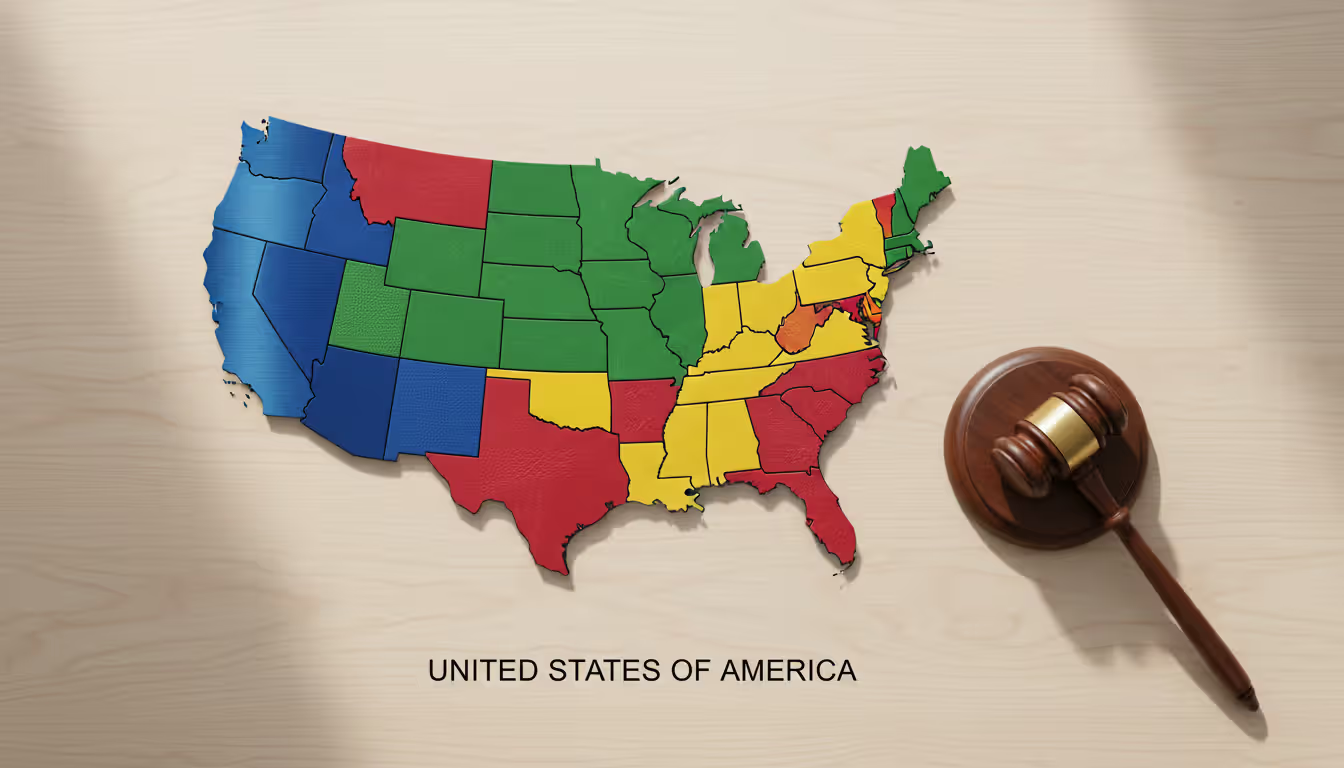
Regional legal cultures and competing policy priorities drive how dog bite laws by state developed. Western states generally favor strict liability. Southern and Mid-Atlantic jurisdictions preserve one-bite common law traditions. Midwestern states split roughly fifty-fifty.
Filing deadlines: Statutes of limitations range from two years (Tennessee, Louisiana) to six years (Maine), with some states pausing deadlines while minor victims reach adulthood
Damage caps: Rare but present in a few jurisdictions limiting non-economic awards
Breed-specific laws: Municipal governments sometimes impose stricter standards on pit bulls, Rottweilers, or breeds deemed higher risk
Dangerous dog databases: Post-bite registration systems requiring special handling protocols
City and county ordinances create additional complexity layers. Denver enforces tougher leash requirements than Colorado state law mandates. Violating those municipal codes can establish negligence even in one-bite jurisdictions where behavioral history otherwise protects you.
Victims benefit enormously from attorneys practicing locally who understand judicial preferences. Does your county recognize comparative negligence? Which defenses typically persuade juries? How do local courts value facial scarring versus psychological trauma? These granular details dramatically affect case outcomes.
What Happens If Your Dog Bites Someone in Your House
What happens if your dog bites someone in your house depends heavily on whether that person had legitimate reasons for being there and which liability framework governs your jurisdiction. Strict liability states typically impose responsibility when victims were invited guests, service providers, or others with lawful access to your property.
Homeowner's insurance provides your primary financial protection. Standard policies cover liability between $100,000 and $300,000. Insurers paid roughly $1.1 billion settling dog bite claims during 2025—average payout hit about $64,000 per incident. Increasingly, companies exclude certain breeds or cap coverage after initial bite events.
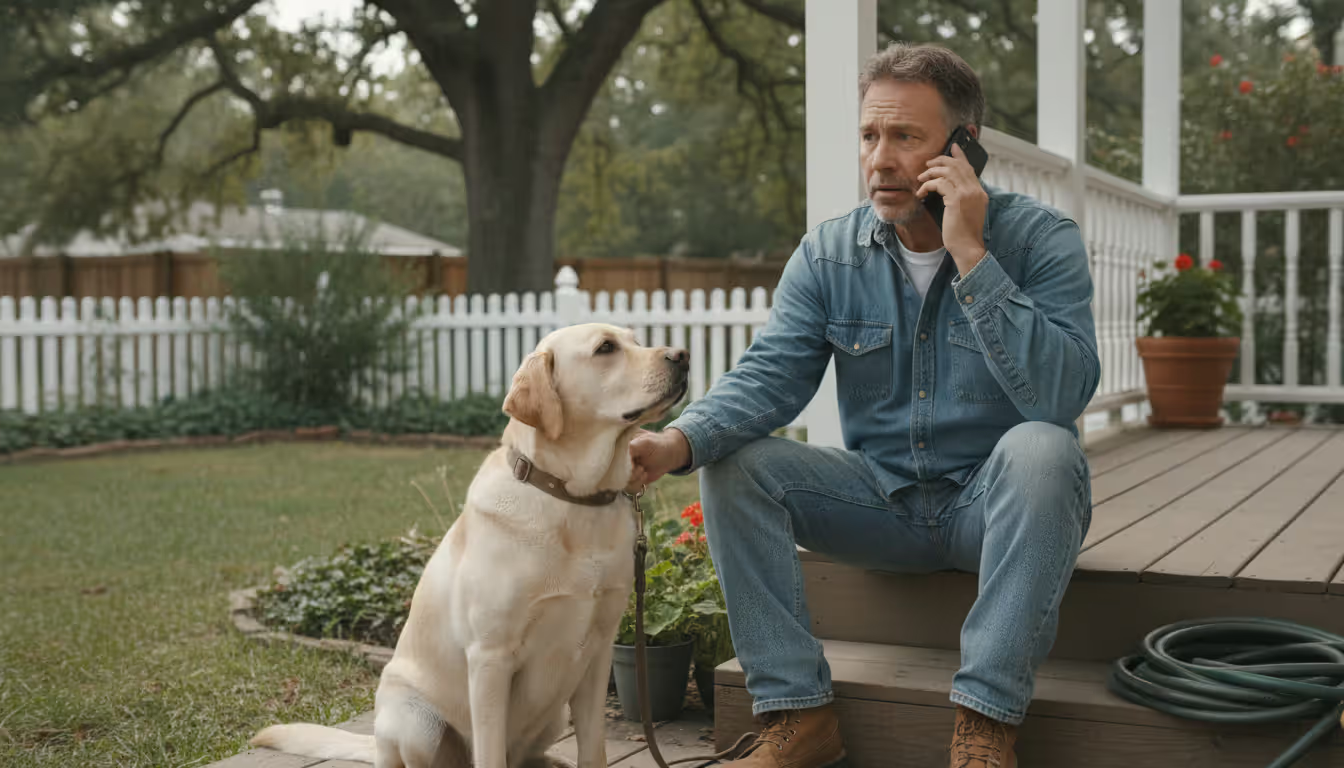
When your Labrador nips a dinner party guest, your homeowner's or renter's policy should handle medical expenses and related compensation up to policy limits. Expect thorough investigations for every claim. Prompt reporting becomes crucial—delayed notification sometimes voids coverage completely.
Invited guests versus trespassers: Legal presence determines outcomes. Mail carriers delivering packages, utility workers reading meters, and social visitors all qualify as lawfully present. Burglars breaking basement windows don't. Most jurisdictions refuse holding owners liable when dogs bite trespassers, though exceptions exist for children who may not grasp property boundaries.
Even on your own land, deliberately weaponizing your dog crosses legal lines. Commanding your German Shepherd to attack invites both civil judgments and criminal prosecution, regardless of trespasser status.
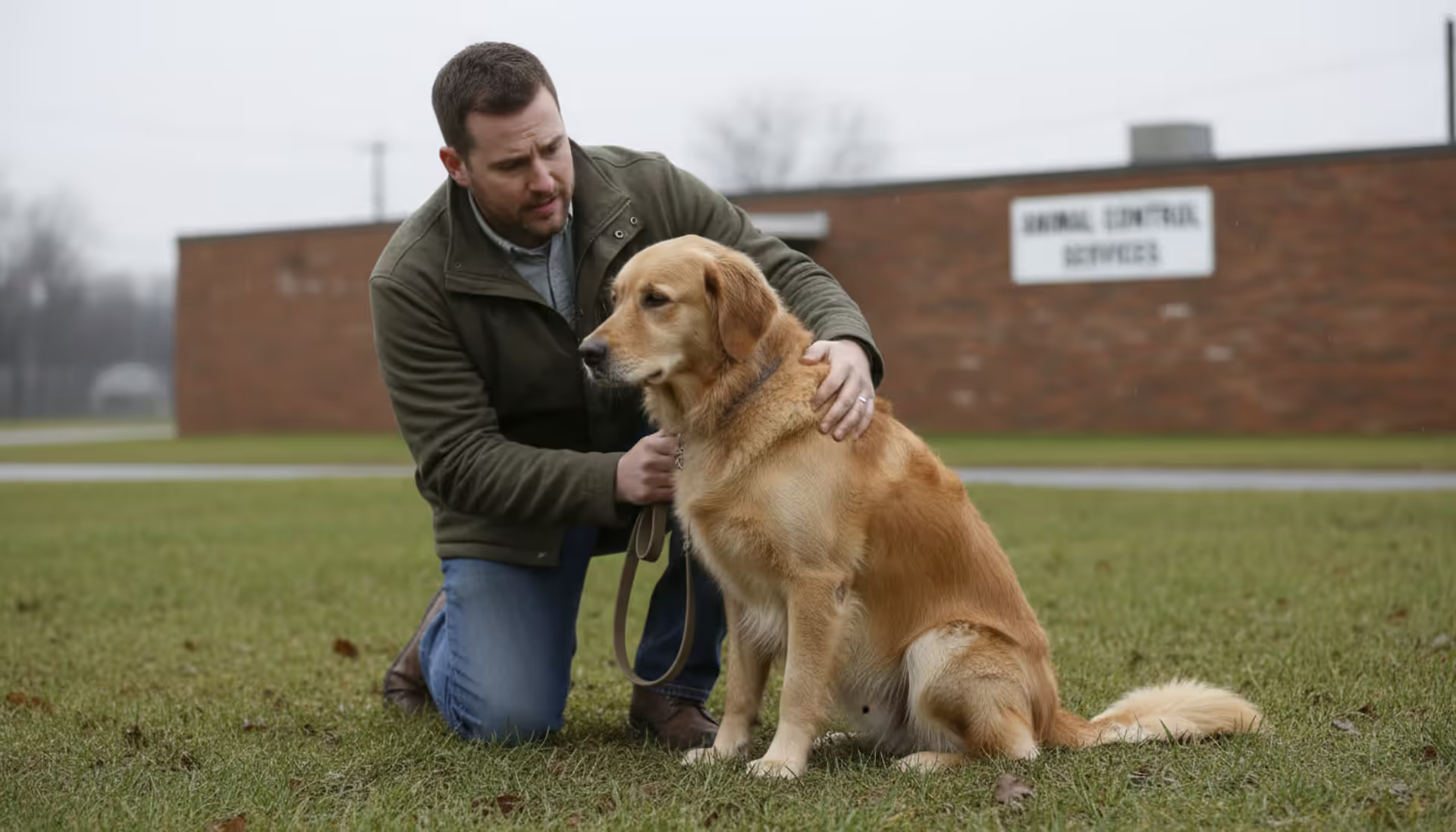
Immediate response steps: First, separate the animal from whoever got bitten. Provide appropriate first aid based on your training. Call 911 for serious wounds—deep punctures, significant bleeding, or facial injuries demand emergency response. Photograph everything: injuries, location, environmental factors. Exchange contact details and insurance information. Notify your carrier within 24 hours and contact animal control as local regulations require. Avoid definitive statements about fault or what you think happened—investigations need proceeding without your potentially damaging admissions.
Author: Marcus Redfield;
Source: jamboloudobermans.com
When Dog Owners Are Not Liable
Provoked vs. Unprovoked Dog Bites
Provocation defenses appear frequently in litigation. When victims were hitting, teasing, or otherwise mistreating animals before getting bitten, owners may escape liability even under strict liability systems. The law recognizes dogs bite defensively when threatened.
Provoked vs unprovoked dog bite law examines whether typical dogs would react aggressively under identical circumstances. Accidentally stepping on a sleeping dog's paw while crossing your living room? Probably not provocation. Yanking ears, stealing food mid-meal, or cornering frightened animals? Likely qualifies.
Children complicate provocation defenses significantly. Young kids lack judgment about safe dog interactions, yet courts hesitate blaming them for injuries. Several states establish bright-line rules that children under specific ages—commonly seven years old—cannot legally provoke dogs regardless of their actual conduct.
Successfully asserting provocation requires solid evidence. Eyewitness accounts, injuries your dog sustained during the incident, or security footage can establish the victim's actions triggered the bite. Document thoroughly before speaking with insurance investigators or opposing attorneys.
Dog Bites Involving Trespassers on Private Property
Dog bite trespasser private property law generally protects owners substantially. Someone unlawfully entering your land who gets bitten faces steep obstacles recovering damages. The law doesn't require you protecting people who have no legitimate business being there.
Several exceptions carve out liability scenarios:
Children: The "attractive nuisance" doctrine recognizes kids trespass to play with dogs or explore interesting yards. When neighborhood children regularly cut through your property to your knowledge, you may face duties securing your animal
Partial trespassers: People with permission accessing front yards who wander into fenced backyards occupy murky legal territory depending on jurisdiction
Discovered trespassers: Once you notice someone on your property and could restrain your dog but choose not to, liability may attach
"Beware of Dog" signs help establishing property entrants received warnings, though strict liability states don't allow signage alone eliminating liability for lawfully present people.
Author: Marcus Redfield;
Source: jamboloudobermans.com
Comparative Negligence and Victim Behavior
Comparative negligence principles modify damage awards in numerous states. When victims share responsibility—ignoring posted warnings, entering clearly marked dog areas, or disregarding owner instructions—awards shrink proportionally.
Imagine a jury determining the victim bears 30% fault. A $100,000 verdict gets reduced to $70,000. "Pure" comparative negligence jurisdictions allow recovery even when victims are predominantly at fault, though awards decrease accordingly. "Modified" comparative negligence states bar any recovery once victim fault reaches 50% or 51%, depending on specific jurisdictional rules.
Victim conduct reducing damages includes:
Disregarding posted warning signage
Reaching through fences petting unfamiliar dogs
Entering yards without permission or invitation
Startling or deliberately teasing dogs
Ignoring explicit owner warnings about the animal
Special Liability Situations
Landlord and Tenant Liability for Dog Bites
Dog bite law landlord tenant liability creates layered complexity. Typically, tenants bear responsibility for their own animals' conduct. Landlords face exposure when they:
Knew tenants harbored dangerous dogs and failed acting
Controlled property areas where bites occurred (common spaces, shared yards)
Breached duties maintaining safe premises generally
Retained contractual rights demanding animal removal
A tenant's Doberman biting someone inside the tenant's apartment? Tenant liability. That same dog biting in a shared courtyard the landlord maintains? Potentially both tenant and landlord face claims.
Smart landlords include pet addendums requiring renters maintaining liability insurance with meaningful coverage limits. After discovering dangerous dogs on property, landlords may need requiring removal or face liability for subsequent attacks.
Property management companies controlling common areas who ignore known dangerous animals face similar exposure. Control plus knowledge equals potential liability.
Criminal Charges for Dog Owners
Dog bite criminal charges owner scenarios emerge when bites cause severe injuries or death, or when owner conduct was egregiously reckless. Most bite incidents remain purely civil matters, but prosecutors file charges in extreme cases.
Criminal charges might include:
Reckless endangerment: Permitting known dangerous dogs roaming neighborhoods freely
Assault charges: When owners deliberately used dogs as weapons
Involuntary manslaughter: Dogs killing people when owner negligence was extreme
Dangerous dog law violations: Failing complying with registration, confinement, or insurance mandates
Numerous states enacted "dangerous dog" statutes creating criminal penalties for owners who inadequately confine animals with documented bite histories. After one serious incident, owners may face requirements muzzling dogs publicly, maintaining specific liability insurance, posting warning signs, and keeping animals in secure enclosures.
Second serious bites can trigger dangerous dog declarations, with owners facing misdemeanor or felony prosecution for non-compliance with restrictions. Some jurisdictions mandate euthanasia for dogs that kill people, with owners facing years in prison.
Criminal prosecution probability increases when:
Victims suffer permanent disfigurement or disability
Owners knew dogs were dangerous but ignored risks
Specific legal violations occurred (leash law violations, confinement order breaches)
Victims are children under twelve
The incident represents part of an established pattern
Frequently Asked Questions About Dog Bite Law
Can I be sued if my dog bites someone who was teasing it?
Yes, lawsuits remain possible, but provocation creates strong defensive arguments. Demonstrating victims were teasing, hitting, or otherwise antagonizing your dog before the bite can eliminate liability even where strict liability normally applies. The challenge involves gathering evidence—witness testimony, video recordings, or injuries your dog sustained during the incident. Courts scrutinize provocation claims more skeptically when victims are young children who may lack understanding about safe dog interaction. Documentation becomes critical: security camera footage, veterinary records showing your dog was injured, or bystander statements all strengthen your defense.
Will my homeowner's policy pay for dog bite claims?
Most homeowner's and renter's policies include liability protection for dog-related injuries, commonly between $100,000 and $300,000. However, insurers increasingly exclude particular breeds or restrict coverage after initial incidents. Many carriers won't cover pit bulls, Rottweilers, Akitas, or other breeds they've classified as high-risk. When your policy excludes your dog's breed, separate canine liability insurance becomes necessary. Review your policy's animal provisions carefully and report any bite incident immediately—delays sometimes void coverage.
What should I do immediately after my dog bites someone?
Separate your dog from whoever got injured as your first priority. Provide whatever first aid your training permits. Call 911 when wounds appear serious—deep punctures, heavy bleeding, or facial injuries all warrant emergency response. Photograph the scene thoroughly, including injuries, location, and environmental conditions. Exchange contact and insurance details with whoever got bitten. Notify your homeowner's insurance carrier within 24 hours and contact local animal control as regulations require. Avoid making detailed statements about what happened or accepting blame—these statements can damage your legal position later. Consult an attorney before giving recorded statements to insurance adjusters.
When can landlords face liability for tenants' dog bites?
Yes, under specific circumstances. Landlords potentially face liability when they knew tenants' dogs were dangerous but failed taking action, when bites occurred in common areas under landlord control, or when lease agreements gave landlords authority removing dangerous animals. A landlord learning a tenant's dog has bitten someone should document the incident thoroughly and consider requiring the tenant removing the animal, obtaining liability insurance with sufficient limits, or terminating the tenancy if local law permits. The critical question involves who controlled the space where the bite occurred and whether the landlord had notice the dog posed risks.
Are certain dog breeds treated differently under the law?
State statutes generally don't distinguish between breeds, but city and county ordinances frequently do. Hundreds of municipalities maintain breed-specific legislation imposing heightened requirements on pit bulls, Rottweilers, German Shepherds, Doberman Pinschers, and similar breeds. These local laws may mandate special licensing, liability insurance, public muzzling, or reinforced confinement. Some cities ban certain breeds outright. Additionally, a handful of states impose strict liability specifically for designated "dangerous breeds" regardless of individual dogs' behavioral histories.
What criminal penalties can result from dog bite incidents?
Most bite incidents result exclusively in civil liability without criminal prosecution. However, prosecutors file charges when bites cause serious injuries or death, when owners knew dogs were dangerous and acted recklessly anyway, or when owners violated dangerous dog statutes. Penalties range from misdemeanor fines and probation for minor violations to felony charges carrying multi-year prison sentences for deaths caused by dogs owners knew were dangerous. Repeat offenses and violations of court orders to confine or euthanize dangerous dogs typically result in harsher criminal penalties.
Dog bite law tries balancing owner rights against public safety needs—not always successfully. Whether you own a dog or suffered a bite, understanding your state's legal framework matters enormously. Strict liability states tilt heavily toward victims by eliminating requirements proving owners knew dogs were dangerous, while one-bite rule states demand evidence of prior aggression or owner carelessness.
Dog owners should maintain robust liability insurance, comply with local leash and confinement regulations, and respond immediately when bite incidents occur. Injured parties should document injuries thoroughly, identify witnesses quickly, and consult attorneys understanding their rights under applicable state law. The legal landscape varies wildly across American jurisdictions, making local expertise valuable.
With dog ownership rates hitting historic highs and bite incidents remaining common, both owners and the general public benefit from clear liability rules. Whether through strict liability statutes, traditional one-bite common law, or negligence standards, the legal system seeks ensuring injured parties can recover appropriate damages while giving responsible owners fair defenses against meritless claims.
When your dog bites someone inside your home or on your property, you face potential legal liability, insurance complications, and serious consequences. Understanding homeowner liability laws, insurance coverage, and your responsibilities can mean the difference between a manageable situation and financial devastation
Police K9 attacks can cause severe injuries and lasting trauma. Understand when you can sue for excessive force, how government liability works, what compensation you may recover, and the critical steps to protect your rights after a police dog bite incident
When your dog attacks another dog, euthanasia is not automatic. The outcome depends on injury severity, bite history, state laws, and circumstances. Understanding the dangerous dog declaration process, your rights during hearings, and legal consequences helps you navigate this crisis effectively
A severe dog attack requires immediate medical attention and legal action. Learn critical steps to take after being mauled by a dog, including emergency care priorities, reporting procedures, documentation methods, victim legal rights, and available compensation for injuries and trauma
The content on this website is provided for general informational and educational purposes only. It is intended to explain concepts related to animal law, pet ownership rights, service animals, dog bite liability, and animal welfare legislation in the United States.
All information on this website, including articles, guides, and examples, is presented for general educational purposes. Legal outcomes may vary depending on jurisdiction, state laws, and individual circumstances.
This website does not provide legal advice, and the information presented should not be used as a substitute for consultation with qualified attorneys or animal law professionals.
The website and its authors are not responsible for any errors or omissions, or for any outcomes resulting from decisions made based on the information provided on this website.