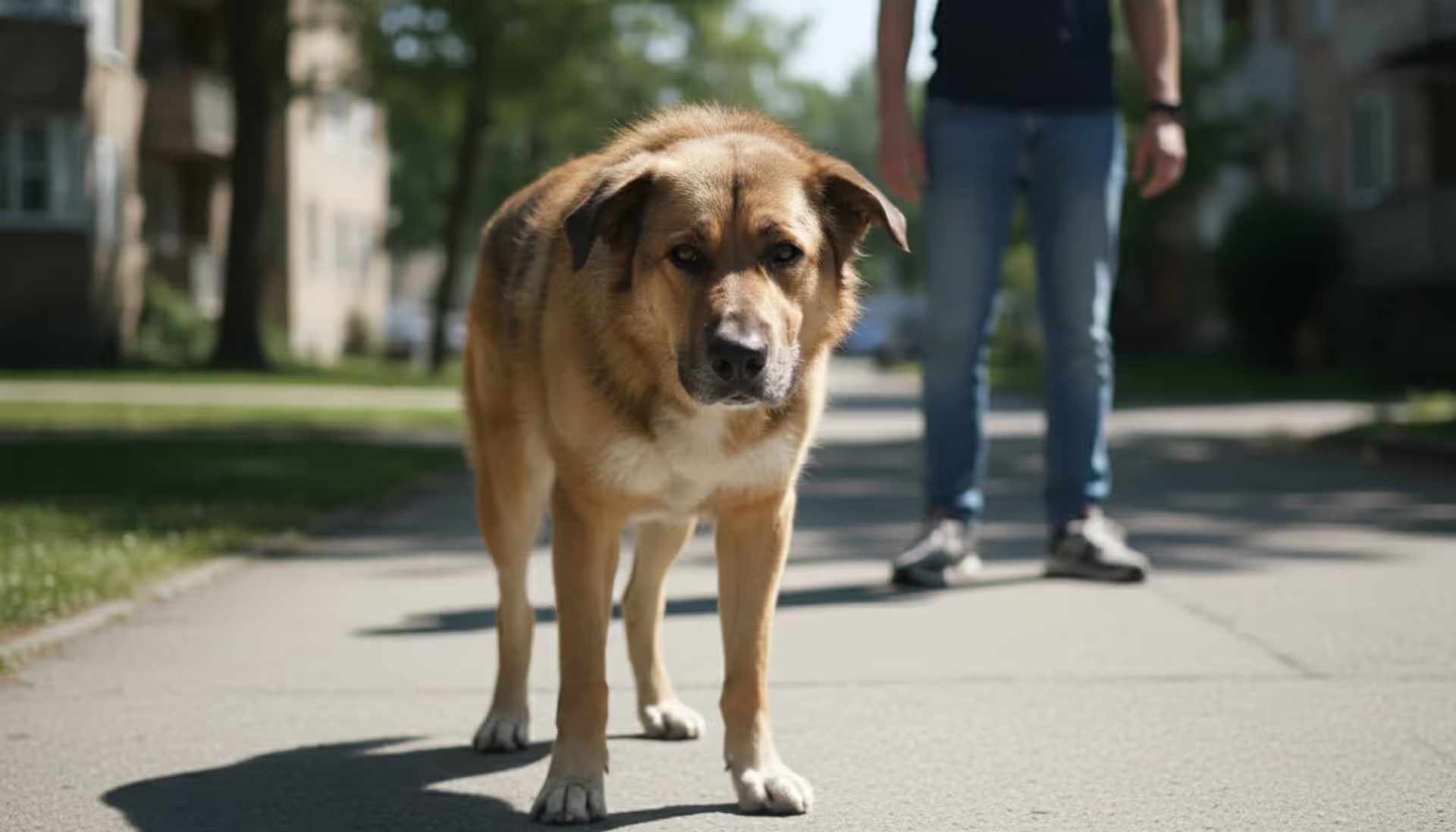
Each year in the United States, roughly 4.5 million people experience dog attacks—that's one incident every seven seconds. Some attacks leave minor scratches, while others change lives forever. The difference often comes down to understanding what triggers these incidents, spotting danger before it strikes, and knowing exactly how to respond. This guide walks through everything from canine psychology to courtroom liability, giving you the tools to protect yourself, your family, and your legal rights.
Why Dogs Attack Humans
Dogs never wake up planning to bite someone. Every attack stems from specific triggers—biological hardwiring, environmental stress, or learned responses that spiral into aggression. When you understand why dogs attack humans causes, you can spot trouble brewing and step back before things escalate.
Fear drives more bites than any other emotion. A dog trapped in a corner, protecting newborn puppies, or jolted awake from deep sleep may lash out defensively. Physical pain transforms even gentle dogs into biters—arthritis, ear infections, or hidden injuries can make a touch feel like an assault. That friendly golden retriever who always loved belly rubs might snap today because his hip dysplasia has flared up.
Territory matters deeply to dogs. Some see their yard, car, or even the sidewalk outside their house as turf worth defending against strangers. Resource guarding goes beyond the food bowl—toys, favorite sleeping spots, or even "their" person can become something worth fighting over. One client's Labrador attacked a houseguest who sat in "his" recliner, a chair the dog had claimed for three years.
Predatory drift happens when a dog's hunting instinct overrides everything else. Fast-moving objects—joggers, kids on bikes, skateboarders—can flip a switch in certain dogs' brains. The animal stops thinking and starts chasing, often with devastating results.
Poor socialization creates dogs ill-equipped for normal life. Puppies who miss critical exposure to different people between 3-14 weeks old often grow into anxious, reactive adults. They misinterpret neutral human behavior—a raised hand, direct approach, or loud voice—as threatening. Dogs rescued from abusive situations may generalize their trauma, fearing all men with beards or all children under ten.
The greatest fear dogs know is the fear that you will not come back when you go out the door without them
— Stanley Coren
Provoked vs. Unprovoked Attacks
Courts and insurance companies obsess over this distinction because it determines who pays. The unprovoked dog attack legal definition centers on one question: Was the victim behaving normally and lawfully when bitten? If you're standing on a public sidewalk and a dog breaks through a fence to bite you, that's unprovoked. Nobody teased, threatened, or harmed the animal.
Provocation requires victim action that directly triggered the bite. Step on a sleeping dog's paw, snatch food from its mouth, or corner it in a bathroom—these behaviors provoke defensive responses. Pull a child's hair and she'll yell; provoke a dog and it may bite.
The gray zone between these categories fills courtrooms. Picture this: You're petting a dog at a park. The owner says "he's friendly." Three minutes in, the dog bites your hand. Unprovoked, right? Maybe. Defense attorneys will ask: Were you leaning over the dog? Making direct eye contact? Petting near its face? Small details shift liability.
Here's a critical exception—young children legally cannot provoke dogs, period. A four-year-old pulling a dog's ears hasn't committed provocation because she can't grasp cause and effect. Most states recognize this through specific statutes protecting kids under six or seven from provocation defenses.
Aggression vs. Legally Defined Attacks
Your neighbor's dog barks and lunges at the fence every time you walk by. Is that an attack? Not legally, though it might violate local noise or dangerous dog ordinances. True legal attacks require physical contact causing injury in most jurisdictions.
A dog snapping at the air six inches from your face—terrifying but typically not a legal attack. However, if that lunge causes you to stumble backward and break your wrist, liability questions emerge. Did the dog cause your injury even without contact?
Injury severity creates another dividing line. Minor scratches from an overly excited dog jumping up rarely qualify as attacks. Deep puncture wounds requiring stitches clearly do. The documentation you gather immediately after an incident proves crucial in these borderline situations.
Warning Signs Before a Dog Attack
Dogs broadcast their intentions constantly—you just need to know their language. Reading dog attack warning signs gives you three to five seconds to change your behavior or create distance, which can prevent serious injury.
Watch for the freeze. A dog actively sniffing, walking, or playing who suddenly stops moving—body rigid, muscles tense—has shifted into high alert. This statue-like posture means the dog is deciding whether to fight or flee. Paired with other signals, it often precedes attack.
Eyes tell the story. Hard, direct staring means the dog has locked onto a target. "Whale eye"—when you see the whites of the dog's eyes—happens when the dog looks away while keeping its head pointed at you. Both signal danger, just from different emotional sources (confidence vs. fear).
Ear position varies by breed but matters enormously. Ears pinned flat against the skull suggest fear-based aggression. Ears pricked forward in sharp attention indicate intense focus, possibly predatory. German Shepherds with one ear up and one ear back look silly but may be processing conflicting emotions—uncertainty that could tip into a bite.
Hackles—that ridge of fur along the spine and shoulders—rise during arousal. Some people think raised hackles always mean aggression, but they actually indicate intense emotion. Fear, excitement, and aggression all trigger hackles. Context determines meaning.
Growls serve as warnings, though not all dogs growl before biting. Some owners punish growling ("don't growl at grandma!"), teaching dogs to skip warnings and bite immediately. Bared teeth with wrinkled muzzle—the classic snarl—represents a final warning most dogs give before striking.
Body position reveals intent. A dog approaching in a direct line rather than a curve may be preparing to engage. A tucked tail combined with other signals suggests fear-based attack risk. A dog positioning itself between you and the exit has decided you're not leaving easily.
Context amplifies body language. A mother dog with puppies visible, a dog chewing a raw bone, or a dog behind a window in a parked car all occupy high-risk scenarios. Dogs in groups may collectively decide to chase or corner someone even if individually they wouldn't.
Author: Samantha Loring;
Source: jamboloudobermans.com
Most Common Dog Attack Scenarios
Certain situations produce bites with predictable regularity. Recognizing most common dog attack scenarios helps you identify danger zones before entering them.
Children at play top the victim list, accounting for 50-60% of all bites requiring medical attention. Kids under ten get bitten most often, typically on the face, head, or neck—the height level where children interact with dogs. Running, screaming, and erratic movements flip switches in dogs' brains. A four-year-old doesn't know that shrieking and waving her arms triggers prey drive or defense responses. Children lack the strength to fend off attacks and often freeze or fall, giving dogs continued access.
Joggers and cyclists activate chase instincts in dogs bred for pursuit—terriers, herding breeds, and hunting dogs particularly. Movement speed matters more than the person's identity. I've interviewed runners who passed the same yard safely fifty times before the dog finally escaped on run fifty-one. These attacks often occur when owners lose control during walks or when fences fail.
Home-based incidents surprise people most. "But it's our family dog" doesn't prevent bites. Resource guarding triggers household attacks—a dog protecting its food bowl nips the toddler who wanders too close. Redirected aggression happens when a dog, aroused by something outside (another dog passing, a doorbell), bites whoever's closest. Rough play escalates, especially with teenage boys who wrestle with dogs and accidentally cross lines.
Fighting dogs injure people who try to separate them. Hands and arms suffer crushing injuries when people instinctively grab collars or try pulling dogs apart. The arousal level during dog fights means neither animal monitors bite force or target selection. You're just another body in the chaos.
Delivery personnel face occupational hazards that compound daily. Mail carriers approach the same houses repeatedly. From the dog's perspective, this stranger invades territory, the dog barks and charges, the person leaves—the dog's behavior got "rewarded" because the threat departed. This pattern strengthens aggressive responses over months until the dog bites.
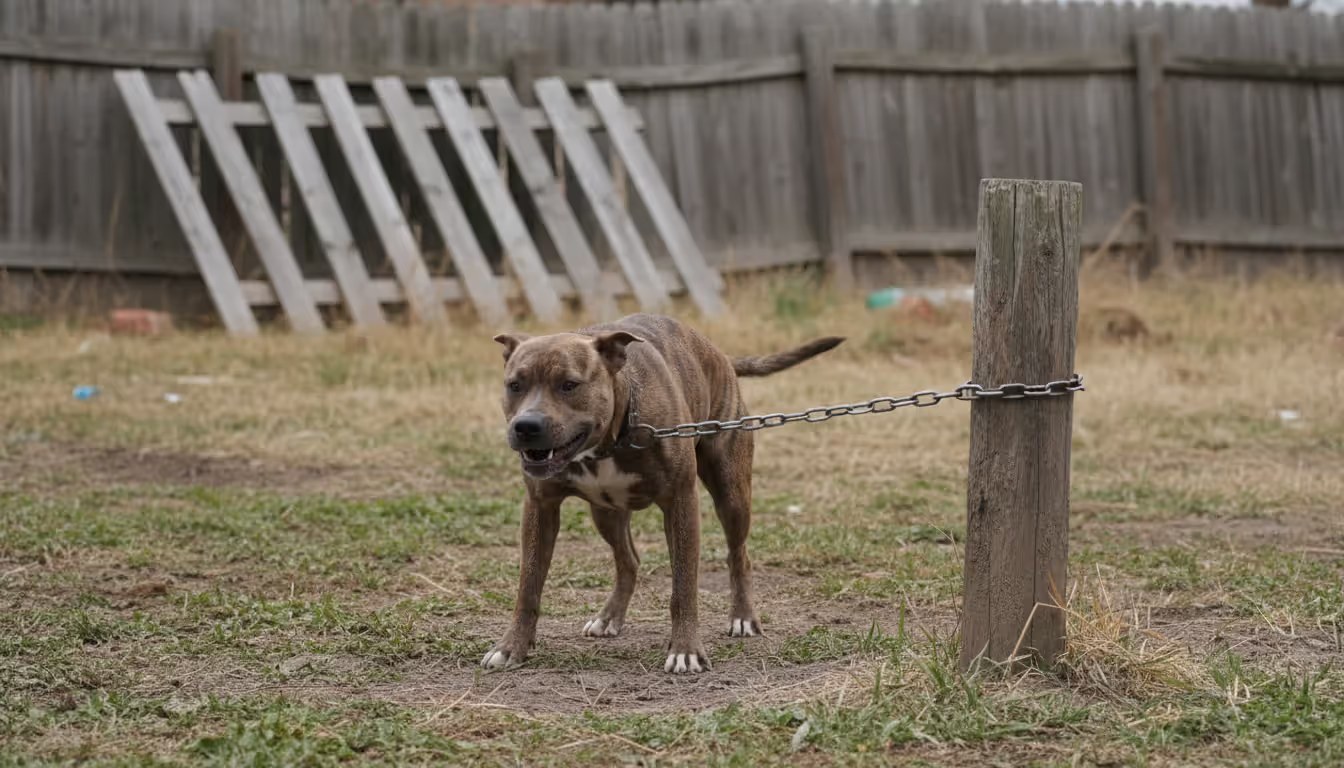
Tethered dogs bite at rates four times higher than dogs with freedom to move. Chained or tied dogs can't escape perceived threats, forcing defensive aggression. Frustration from confinement builds baseline aggression even toward familiar people. Some cities now ban continuous tethering specifically because of this data.
Author: Samantha Loring;
Source: jamboloudobermans.com
Statistics tell part of the story: roughly 800,000 Americans seek medical treatment for dog bites annually. Fatal attacks remain rare—averaging between 30-50 deaths per year nationwide—but the elderly and young children face highest risk of death when attacks occur. Most victims knew the dog and were bitten in familiar locations, not by strange dogs on streets.
How to Prevent Dog Attacks
Prevention splits between owner responsibilities and public self-protection. Understanding common dog attack triggers explained lets both groups reduce risk substantially.
For dog owners: Socialization during weeks 3-14 of a puppy's life shapes lifelong behavior more than any other factor. Expose puppies to different people—tall, short, bearded, wearing hats, using wheelchairs, carrying bags. Use positive experiences with treats and play. Miss this window and you'll fight anxiety and fear for the dog's entire life.
Spaying or neutering reduces certain types of aggression, particularly territorial male-on-male conflicts. Intact males bite at higher rates than neutered males across virtually all breeds.
Containment prevents the majority of attacks on non-household members. Your fence must match your dog's abilities—a four-foot barrier won't stop a determined Belgian Malinois who can clear six feet. Check weekly for gaps, rust, or loose sections. Gates need secure latches that can't be nosed open.
Never—and this bears repeating—never leave young children unsupervised with any dog. Most child victims were with familiar dogs in familiar places. Parents had stepped away "just for a minute." Teach children the basic rules: ask before petting any dog, leave eating and sleeping dogs alone, never run from a dog, don't scream around dogs.
Recognize your specific dog's triggers and manage accordingly. If your dog guards food, feed in a closed room away from traffic. If your dog fears strangers, don't force interactions at the front door. Training improves responses long-term, but management prevents incidents during the weeks or months training takes.
Legal Prevention Obligations for Dog Owners
Dog attack prevention tips legal requirements shift by location, but certain principles span jurisdictions. Owners must maintain control at all times—leash laws in most urban areas require leads no longer than six feet in public.
"Dangerous dog" designations after a bite or aggressive incident trigger specific legal obligations. Owners may need liability insurance (often $100,000 minimum), posted warning signs, muzzles in public spaces, or special reinforced enclosures. Ignoring these requirements can result in the dog's seizure and euthanasia, plus criminal charges against the owner.
Strict liability states hold owners responsible for any bite regardless of the dog's history or owner knowledge of aggression. "One-bite rule" states require proving the owner knew or should have known the dog posed danger. However, this distinction matters less than people think—negligence claims succeed in one-bite states when owners failed to exercise reasonable care, even without prior incidents.
Homeowners and renters insurance typically includes dog bite liability coverage up to policy limits, commonly $100,000-$300,000. Many insurers now exclude specific breeds (pit bulls, Rottweilers, wolf hybrids) or any dog with a bite history. Verify your coverage annually. Umbrella policies provide additional liability protection beyond base policy limits.
What to Do Immediately After a Dog Attack
The minutes following an attack determine both medical outcomes and legal options. Taking dog attack victim immediate steps protects your health and preserves your rights.
Get safe first. Distance yourself from the dog immediately. An aggressive dog may bite repeatedly—arousal levels stay elevated for several minutes after initial attacks. Seek shelter in a car, building, or behind a solid barrier. Don't assume the dog has calmed down just because it stopped biting.
Assess injuries and get medical help. Even bites that look minor require professional evaluation. Dog mouths harbor bacteria—Capnocytophaga, Pasteurella, and antibiotic-resistant Staphylococcus—that cause infections in roughly 15-20% of bite wounds. Puncture wounds look small on the surface but create deep tissue damage and infection pockets. Any bite breaking skin, wounds on the face or hands, or injuries near joints need emergency room evaluation.
Doctors clean wounds, check for nerve or tendon damage, and typically prescribe preventive antibiotics. If the dog's rabies vaccination status can't be confirmed, you'll need post-exposure prophylaxis—a series of shots that must start quickly to remain effective. Your tetanus vaccination may need updating if it's been more than five years.
Document everything with your phone. Photograph injuries from multiple angles before cleaning when safely possible. Capture the attack location, the dog from a safe distance, torn clothing, blood on surfaces, and environmental factors like broken gates or "beware of dog" signs. Video works too—narrate what you're recording to create audio documentation.
Get the dog owner's information: full legal name, address, phone number, homeowners or renters insurance carrier and policy number, and the dog's vaccination records. If the owner refuses or becomes hostile, note their physical description and any identifying property details. Take photos of house numbers and vehicles.
Identify witnesses immediately. Collect names, phone numbers, and email addresses from everyone who saw the attack or heard the commotion. Witness statements become invaluable when owners claim your version is inaccurate. If bystanders recorded video, ask them to text or email copies right then—people forget or lose footage.
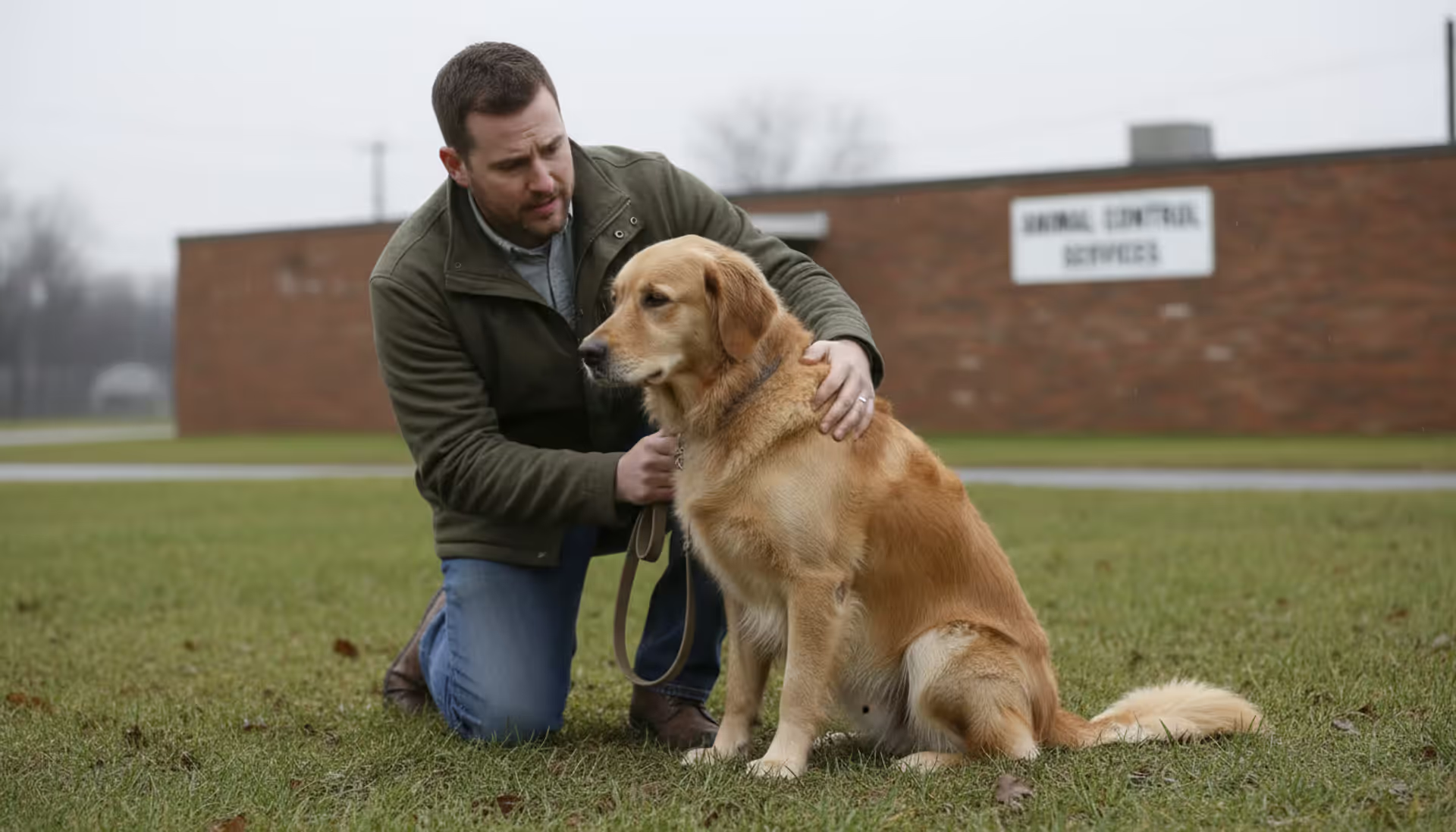
Report to authorities within 24 hours. Contact local animal control to file an official report. Call the police if injuries are severe or if the owner is uncooperative or threatening. These official reports create documentation independent of the conflicting parties' accounts and may trigger dangerous dog investigations that protect others.
Author: Samantha Loring;
Source: jamboloudobermans.com
Dog attack incident documentation needs a written narrative while details remain sharp in memory. Write down the date, exact time, specific location, weather, what you were doing in the thirty seconds before the attack, the dog's behavior sequence, any verbal warnings you gave, and the owner's response. This contemporaneous account becomes crucial evidence six months later when memories have blurred.
Dog Attack Legal Responsibilities and Next Steps
Understanding dog attack owner responsibility overview helps victims pursue appropriate compensation and holds negligent owners accountable.
Owner liability extends well beyond medical bills. Owners may owe compensation for lost wages, pain and suffering, psychological counseling, scarring and disfigurement, future medical treatments, and reduced quality of life. In cases involving gross negligence (like an owner releasing a dog they knew was aggressive) or intentional acts, punitive damages may apply to punish and deter.
Homeowners insurance handles most claims, with typical policies covering $100,000-$300,000. Insurers may deny claims if owners violated policy terms—failing to disclose a previous bite incident or keeping a prohibited breed. When insurance doesn't cover claims, victims can pursue owners' personal assets including wages, property, and bank accounts.
Landlords face potential liability when tenants' dogs attack, particularly if the landlord knew about dangerous behavior and failed to act. Property managers controlling common areas may bear responsibility for attacks occurring in lobbies, hallways, or courtyards.
Time limits for filing lawsuits vary by state but typically range from one to three years for personal injury claims. Don't wait—evidence disappears, witnesses move away, and memories fade. Filing deadlines arrive faster than you expect, and exceptions rarely extend them.
Criminal charges may accompany civil liability in serious cases. Owners can face misdemeanor or felony charges for keeping dangerous dogs, violating leash laws, or failing to control animals that cause serious bodily harm or death. Convictions can result in jail sentences, substantial fines, and mandatory destruction of the dog.
The insurance claim process starts when you notify the owner's insurer. Provide copies of medical records, itemized bills, photographs, witness statements, police reports, and animal control documentation. Insurers often extend settlement offers within weeks—don't accept without legal consultation. Initial offers typically undervalue claims by 40-60%, hoping victims will accept quick money.
Track ongoing impacts meticulously. Maintain a daily journal noting pain levels (use 1-10 scales), activities you can't perform, sleep disturbances, anxiety, and mood changes. Save every medical receipt including over-the-counter medications, bandages, and mileage to appointments. Photograph healing weekly to document scarring and recovery timeline.
Consider the complete scope of damages before settling any claim. Scars may require multiple cosmetic procedures over years. Psychological trauma often needs months or years of therapy. Nerve damage might cause permanent functional limitations. Settlement agreements are final—once signed, you cannot reopen claims for additional compensation when complications arise later.
Comparison: Provoked vs. Unprovoked Incidents – Legal and Behavioral Analysis
Scenario Category
What Triggers This Response
How Courts Classify It
Owner's Financial Exposure
Victim's Legal Position
Unprovoked Incident
Person doing normal, lawful activity; no aggressive behavior toward animal; routine daily interactions
Most states apply strict liability; owner pays regardless of animal's prior behavior
Complete financial responsibility for damages; homeowner insurance usually applies; potential criminal prosecution
Strong compensation rights; excellent legal standing; can pursue complete damages including future costs
Provoked Incident
Person taunted, physically harmed, or deliberately threatened animal; unlawful property entry; interference with food or offspring
Complete compensation entitlement; parents can collect for emotional trauma and caregiving expenses
Trespassing Adult Attack
Illegal property entry; burglar, person on private land without permission
State-dependent; some jurisdictions protect owners, others weigh multiple factors
Reduced financial responsibility; exceptions exist for disproportionate force (deliberately released attack-trained dogs) or child trespassers
Restricted compensation options; may collect only if owner demonstrated intent to cause harm or used clearly excessive response
Lawful Visitor Attack
Guest with explicit permission; mail carrier, repair technician, social visitor
Courts treat as unprovoked; property owners owe safety duty to invited guests
Complete financial responsibility; homeowner policies usually cover; "beware of dog" signage doesn't eliminate legal duty
Complete compensation entitlement; owner must provide warnings about known risks or properly contain animal
Frequently Asked Questions About Dog Attacks
What legally defines an unprovoked dog attack?
An incident qualifies as unprovoked when the person was behaving lawfully and peacefully, without teasing, tormenting, physically harming, or threatening the animal in the moments before being bitten. The victim's conduct must fall within normal, non-aggressive human behavior. Courts examine the seconds directly preceding the bite—your actions from yesterday or last week don't count as provocation. Young children get special protection: most jurisdictions recognize kids under six or seven cannot legally provoke dogs because they lack the cognitive development to understand their actions might trigger aggressive responses.
Are all dog bites considered attacks under US law?
No. Legal definitions require meaningful injury beyond trivial harm. A dog's tooth grazing exposed skin without breaking through typically doesn't meet the threshold. Most jurisdictions require puncture wounds, lacerations, bruising, or injuries necessitating medical intervention. However, physical contact isn't always required—if a dog causes you to fall and break your arm while fleeing, liability questions still arise. Context shifts definitions too: a bite during routine veterinary care or while you're separating fighting dogs may not constitute an "attack" under dangerous dog statutes, though civil liability for your injuries might still apply.
Who is liable when a dog attacks on private property?
Liability hinges on the victim's legal right to be there. Invited guests and people with legitimate business reasons for being present (postal workers, utility meter readers, delivery drivers) receive full legal protection—owners must either control their animals or provide clear warnings about known dangers. Trespassers receive much more limited protection, though owners cannot use dogs as deliberate traps or intentionally release animals on intruders. Children receive special consideration regardless of trespasser status: "attractive nuisance" doctrine may impose liability even when children trespassed because they were drawn by pools, trampolines, or other appealing features. Landlords sometimes share liability if they knew about a tenant's dangerous dog and took no action.
How long do I have to report a dog attack?
Contact animal control within 24-48 hours for investigation purposes, though most agencies will accept reports filed later. For rabies exposure concerns, report the same day—post-exposure vaccination protocols work most effectively when started immediately. The statute of limitations for filing lawsuits typically runs one to three years depending on which state's laws apply, but waiting causes problems—evidence degrades, witnesses relocate or forget details, and medical records become harder to obtain. Start insurance claims within weeks to avoid complications, though specific policy deadlines vary significantly. Document everything immediately with photos and written notes regardless of whether you plan any legal action—you can always choose not to pursue compensation later, but you can't recreate lost evidence.
Can I be held responsible if my dog attacks an intruder?
In most situations, owners face reduced liability when dogs bite criminals committing crimes on their property. However, significant exceptions apply. You cannot use specially trained attack dogs or deliberately release animals on trespassers in most states—courts view that as excessive force. If the intruder is a child (even a trespassing child), liability increases dramatically. Adult criminal intruders who file lawsuits face substantial legal obstacles, but civil liability doesn't disappear automatically just because they were breaking the law. Maintain robust homeowners insurance regardless of circumstances, because some jurisdictions impose strict liability even in trespasser situations, and "beware of dog" signs don't provide legal immunity from lawsuits.
What should I never do during a dog attack?
Running triggers chase instincts and you can't outpace a dog—most breeds hit 20-30 mph within seconds. High-pitched screaming increases the dog's excitement and arousal. Once an attack starts, don't make direct eye contact, which some dogs interpret as a challenge or threat. If bitten, don't pull away—tearing motion against teeth causes significantly worse tissue damage than the initial bite. Never reach for a fighting dog's collar or stick your hand near its mouth during active aggression—you'll suffer crushing injuries. Don't try separating fighting dogs with your bare hands; use water from a hose, create loud noises, or place barriers between them instead. After an attack ends, don't accept quick settlement offers from the owner or their insurance company without fully understanding your injury's extent and consulting legal counsel about fair compensation.
Dog attacks follow recognizable patterns rooted in animal behavior, environmental triggers, and human choices. Learning to read warning signals, understanding which situations carry elevated risk, and implementing straightforward prevention strategies cuts your danger substantially. Owners carry both legal obligation and ethical duty to control their animals, maintain effective containment, and manage known behavioral triggers appropriately. When attacks happen despite reasonable precautions, getting immediate medical attention and creating thorough documentation protects both your physical health and legal options.
The legal framework surrounding dog attacks attempts to balance pet ownership rights against public safety needs. Strict liability jurisdictions simplify the compensation process for victims, while one-bite rule states require evidence that owners knew or should have known about dangerous tendencies. Regardless of where you live, negligent ownership creates liability exposure. Children receive enhanced legal protections reflecting both their vulnerability to serious injury and their developmental inability to understand consequences.
Prevention works better than response every time. Proper socialization windows, consistent training routines, and thoughtful environmental management prevent the vast majority of attacks before they happen. Teaching children how to interact appropriately with dogs, respecting canine body language and communication signals, and consciously avoiding high-risk situations protects potential victims across all age groups. When prevention strategies fail, understanding your legal rights and taking immediate comprehensive action ensures the best possible outcomes for treating injuries, establishing accountability, and preventing future incidents that could harm others.
When your dog bites someone inside your home or on your property, you face potential legal liability, insurance complications, and serious consequences. Understanding homeowner liability laws, insurance coverage, and your responsibilities can mean the difference between a manageable situation and financial devastation
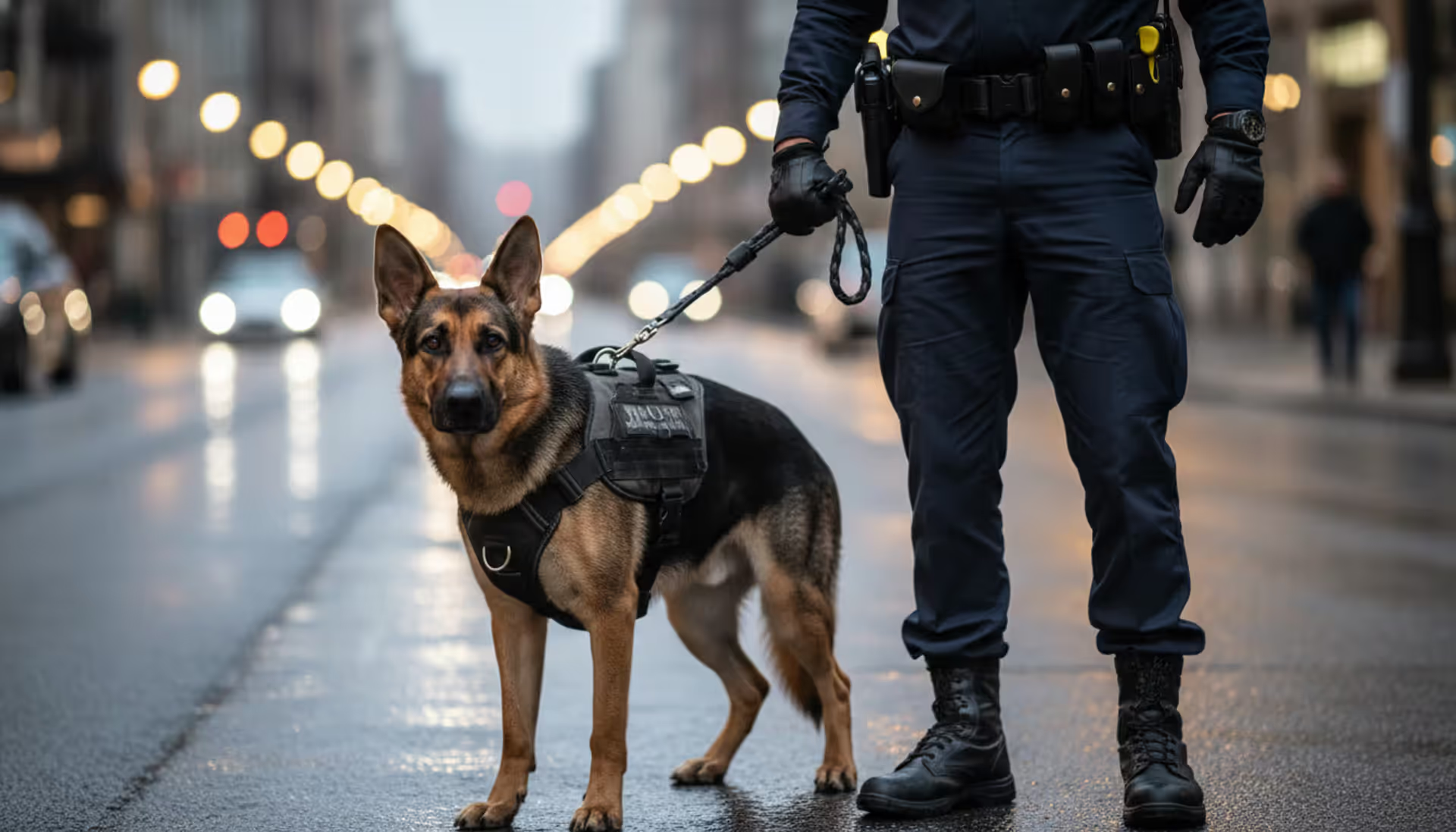
Police K9 attacks can cause severe injuries and lasting trauma. Understand when you can sue for excessive force, how government liability works, what compensation you may recover, and the critical steps to protect your rights after a police dog bite incident
When your dog attacks another dog, euthanasia is not automatic. The outcome depends on injury severity, bite history, state laws, and circumstances. Understanding the dangerous dog declaration process, your rights during hearings, and legal consequences helps you navigate this crisis effectively
A severe dog attack requires immediate medical attention and legal action. Learn critical steps to take after being mauled by a dog, including emergency care priorities, reporting procedures, documentation methods, victim legal rights, and available compensation for injuries and trauma
The content on this website is provided for general informational and educational purposes only. It is intended to explain concepts related to animal law, pet ownership rights, service animals, dog bite liability, and animal welfare legislation in the United States.
All information on this website, including articles, guides, and examples, is presented for general educational purposes. Legal outcomes may vary depending on jurisdiction, state laws, and individual circumstances.
This website does not provide legal advice, and the information presented should not be used as a substitute for consultation with qualified attorneys or animal law professionals.
The website and its authors are not responsible for any errors or omissions, or for any outcomes resulting from decisions made based on the information provided on this website.