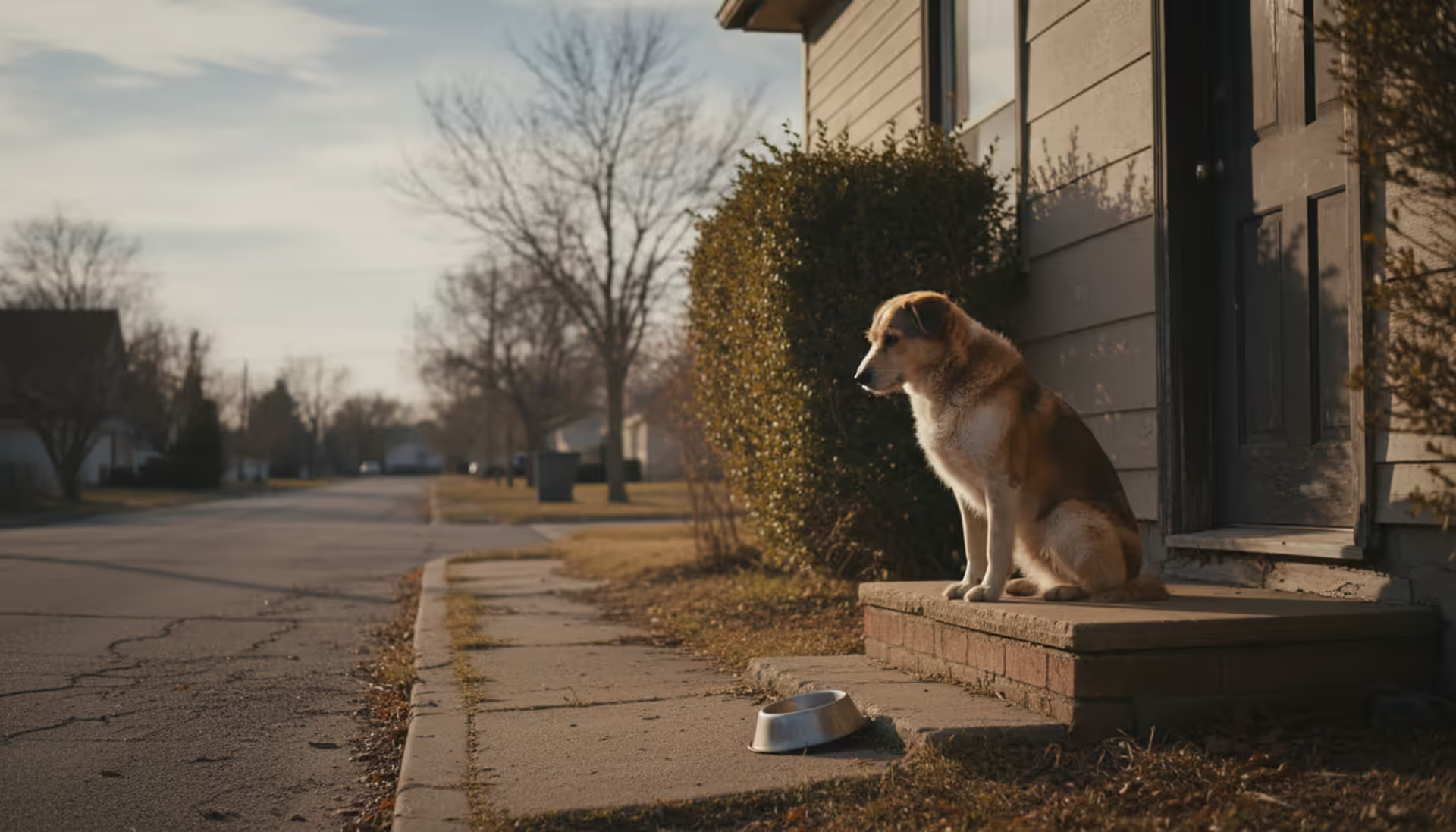
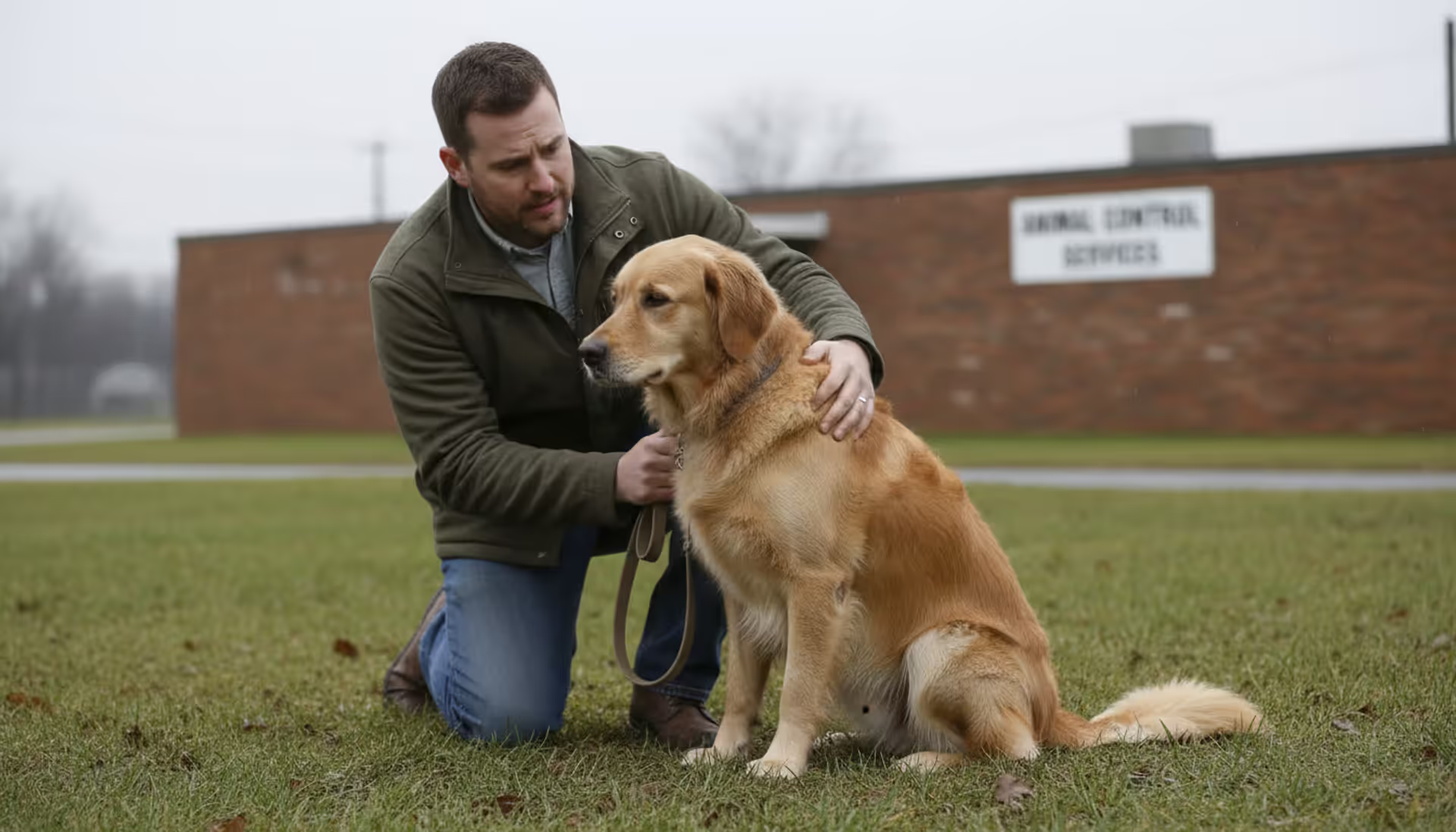
Last summer, animal control in Phoenix found 14 dogs locked inside a foreclosed home—their owner had moved out three weeks earlier. In Chicago, someone tied a senior Labrador to a fire hydrant at 11 PM in January with a note that said "can't keep him anymore." These aren't isolated incidents. Shelters across the country deal with abandoned dogs daily, and here's what most people don't realize: walking away from your dog can land you in jail.
If you're reading this because you spotted a dog that looks abandoned, or because you're struggling to keep your own pet, you need to know what the law actually says. Not the rumors, not what your neighbor thinks—the real legal consequences and options.
What Legally Constitutes Dog Abandonment
Here's the basic legal definition: abandonment happens when you permanently ditch your dog without transferring care to someone else. But prosecutors don't just look at whether you left. They dig into three specific elements.
First, they'll examine your intent. Did you plan to come back? An emergency room visit that keeps you away for four days isn't abandonment. Moving to a new apartment and leaving your dog behind? That's textbook abandonment, and you can't claim you "forgot" your pet.
Second, physical desertion has to occur. You actually left the dog somewhere. Sounds obvious, but it matters legally because neglect cases involve dogs that stay with their owners. We'll get to that distinction in a minute.
Third, you failed to arrange care. You didn't call a shelter. Didn't ask your sister to take the dog. Didn't post on Facebook looking for a new home. Just... left.
California's statute gets specific about timing—24 hours without adequate care can trigger abandonment charges in certain situations. But most states care more about the total picture than a specific clock. A dog locked in your old apartment with no food? Abandonment charges could come within hours of authorities finding the animal, regardless of how long you've been gone.
Author: Daniel Whitmor;
Source: jamboloudobermans.com
Context matters enormously. Say you tie your dog outside a city shelter at 2 PM on Tuesday with vaccination records and a note explaining you lost your housing. Some prosecutors might pursue abandonment charges anyway, but others would call that attempted surrender. Do the exact same thing at midnight? Clear-cut abandonment in every jurisdiction. The shelter's closed, your dog's vulnerable, and you knew it.
Courts also look at whether you maintained any connection to the dog. If your microchip registration stays active and you respond when the shelter calls, you've got an argument against abandonment. Radio silence when animal control tracks you down? You've just made their case easier.
Animal Neglect vs Abandonment: Legal Differences
People mix these up constantly, but prosecutors see them as completely different problems requiring different responses.
Picture this: animal control visits a house and finds a dog chained in the backyard, no water bowl in sight, ribs showing. The owner's inside watching TV. That's neglect—the owner's present but failing to provide care.
Now imagine animal control gets called to that same house two months later. The owner moved out. Same dog, still chained, now drinking from puddles. Nobody's coming back. That's abandonment.
The legal distinction goes beyond just where the owner happens to be. Neglect cases often start with warnings. Animal control issues a citation, requires improvements, follows up in a week. If you fix the problems, maybe you avoid criminal charges. Courts recognize that some neglect stems from ignorance or financial hardship rather than cruelty.
Abandonment doesn't get that grace period. You've left. There's nobody to warn, nobody to educate, nobody to monitor. Prosecutors move straight to criminal charges because correction isn't an option.
Author: Daniel Whitmor;
Source: jamboloudobermans.com
Intent requirements differ significantly too. You can neglect a dog without meaning to—maybe you genuinely didn't understand that leaving a dog outside in Phoenix in July without shade constitutes cruelty. Ignorance doesn't excuse it, but it affects how prosecutors approach the case. Abandonment requires a deliberate choice. You decided to leave. You knew the dog would be alone. That intentionality makes judges less sympathetic.
Here's how the two charges actually compare when cases go to court:
Factor
Neglect
Abandonment
Intent required
Recklessness works—you don't need to mean harm
Knowing desertion required—you understood what you were doing
Owner presence
You're still around, still technically responsible
You've disappeared or refuse to return
Typical duration
Can continue for weeks or months before discovery
Legally established sometimes within a single day
Common charges
Misdemeanor cruelty, failure to provide necessities
Misdemeanor or felony abandonment depending on harm
$1,000-$10,000, jail time likely, ownership bans standard
The penalty difference reflects how courts view these offenses. Neglect suggests someone who might improve with intervention. Abandonment indicates someone who's already walked away from responsibility.
Criminal Charges and Penalties for Abandoning a Dog
Let's talk about what actually happens when prosecutors charge you with abandoning your dog. The consequences range from "this will cost you several thousand dollars and a year of probation" to "you're going to prison and you can never own another animal."
Misdemeanor vs Felony Classification
Most first-time abandonment cases start as misdemeanors—assuming the dog survived without serious injury. Leave a healthy dog tied outside a shelter overnight in mild weather? Probably a misdemeanor. The dog suffers, you face consequences, but you're not looking at years in prison.
But several factors bump abandonment from a misdemeanor to a felony fast. Multiple dogs changes everything. Authorities found those 14 dogs in Phoenix? Felony charges, no question. Abandoning even one dog in extreme weather—we're talking 15 degrees or 105 degrees—often triggers felony prosecution because prosecutors can argue you showed "reckless disregard" for the animal's life.
Prior convictions for animal cruelty almost guarantee felony treatment. Even if your current abandonment would normally rate as a misdemeanor, that previous offense on your record signals to prosecutors that you haven't learned.
Author: Daniel Whitmor;
Source: jamboloudobermans.com
State laws vary wildly here. Arizona changed its statute in 2025, making abandonment in conditions "likely to cause suffering" an automatic Class 5 felony. Texas upgraded its law too—if the dog sustains "serious bodily injury," you're facing felony charges and potential prison time. Florida uses "reckless disregard" as the trigger for felony classification.
The practical difference between misdemeanor and felony extends far beyond your sentence. A misdemeanor means you've got a criminal record, sure, but many employers won't hold a low-level offense against you years later. A felony conviction affects job applications forever. Housing applications. Gun ownership rights. Professional licensing. Immigration status if you're not a citizen. Voting rights in some states.
Fines, Jail Time, and Ownership Bans
Financial penalties start around $500 for first-time misdemeanor abandonment and climb quickly from there. Misdemeanors typically max out at $2,500, though some states go higher. Felony abandonment? You're looking at potential fines of $10,000 or more in states with tough animal cruelty laws.
But the fine is often just the beginning of your financial pain. Courts increasingly order restitution covering every dollar the shelter spent caring for your abandoned dog. Veterinary treatment for injuries, dehydration, or malnutrition. Daily boarding fees (often $25-50 per day). Behavioral rehabilitation if needed. Those costs add up fast. Abandon a dog that needed $3,000 in emergency vet care? You're paying that on top of your fine.
Jail time for misdemeanor abandonment usually caps at one year maximum, and many first-time offenders get probation instead of actual incarceration. But "up to one year" doesn't mean 30 days. Judges who see animals suffering hand down six-month or nine-month sentences more often than you'd think.
Felony abandonment carries prison sentences ranging from one year to five years depending on your state and the severity of harm. Most defendants don't serve the maximum, but you're looking at real prison time, not just county jail. And while you're incarcerated, you're losing your job, possibly your housing, definitely your normal life.
Ownership bans have become the penalty that really changes lives long-term. Twenty years ago, these were rare. Now? Standard practice in most jurisdictions. Courts can—and regularly do—prohibit you from owning, possessing, or even living with any animals for years or permanently.
That means no dogs, cats, birds, hamsters—nothing. It means if you move in with someone who has a pet, you're violating your sentence. Some jurisdictions enforce these bans through random home checks by probation officers. Violate an ownership ban and you're going to jail, even if years have passed since your original conviction.
Courts also pile on conditions beyond the basic sentence. Mandatory animal welfare education courses (which you pay for). 100+ hours of community service, often at the very shelter where your abandoned dog ended up. Psychological evaluation to determine why you abandoned the animal. Supervised probation with regular check-ins.
Second offense? The penalties basically double, and many states automatically elevate second abandonments to felonies regardless of circumstances. Third offense? You're likely looking at the maximum sentence allowed by law plus a permanent ownership ban.
We've seen a significant shift in how courts treat animal abandonment cases over the past decade. Judges increasingly recognize abandonment as a serious crime warranting substantial penalties, not just a fine and a warning. The implementation of ownership bans has been particularly effective in preventing repeat offenses
— Rebecca Huss
How Dog Abandonment Laws Vary by State
If you abandon a dog in California versus Alabama, you're facing dramatically different legal consequences. There's no federal dog abandonment law, which means all 50 states write their own rules—and some take this way more seriously than others.
West Coast states generally hit hardest. California treats aggravated abandonment as a felony, allows up to three years in prison, and requires ownership bans. Oregon's statute includes specific provisions for abandoning animals on public lands (apparently enough people dump dogs in state forests that they needed explicit language). Washington increased its penalties in 2023 after a particularly horrific abandonment case made headlines.
Head to the South and you'll find more variation. Texas overhauled its animal cruelty laws recently and now prosecutes abandonment aggressively—felony charges if the dog suffers serious injury, mandatory restitution, ownership bans. But some neighboring states still treat first-time abandonment as a relatively minor misdemeanor with fines under $1,000 and no jail time.
Northeastern states often emphasize rehabilitation alongside punishment. Massachusetts, New York, and Connecticut offer diversion programs for first-time offenders—complete animal welfare education, perform community service, pay restitution, and prosecutors may dismiss charges. Miss one requirement though, and the original charges come back.
The Midwest falls somewhere in the middle, though Illinois has gotten tougher specifically about people abandoning dogs when they move out of rental properties (enough landlords complained that the state legislature acted). Michigan added enhanced penalties for abandonment in extreme temperatures after several winter cases where dogs froze to death.
Here's what penalties actually look like across different states:
State
Classification
Maximum Jail Time
Maximum Fine
Ownership Ban Provision
California
Felony (aggravated)
3 years
$20,000
Mandatory, up to 10 years
Texas
Felony (if injury)
2 years
$10,000
Discretionary, up to 5 years
Florida
Felony (reckless disregard)
5 years
$10,000
Mandatory, up to lifetime
New York
Misdemeanor (first offense)
1 year
$1,000
Discretionary, up to 5 years
Illinois
Felony (rental abandonment)
3 years
$25,000
Mandatory, 2 years minimum
Arizona
Class 5 felony
2.5 years
$150,000
Discretionary, permanent allowed
Georgia
Misdemeanor (typical)
1 year
$5,000
No statutory provision
Washington
Felony (aggravated)
5 years
$10,000
Mandatory, minimum 2 years
Michigan
Felony (extreme weather)
4 years
$5,000
Discretionary, up to 5 years
North Carolina
Misdemeanor (standard)
6 months
$1,000
Not typically imposed
Enforcement varies as much as the laws themselves. Big cities with dedicated animal cruelty prosecutors—think Los Angeles, Chicago, New York—pursue abandonment cases actively. They've got specialized units, experienced investigators, and resources to track down offenders even when they've left the area.
Rural counties often lack that infrastructure. One overworked prosecutor handles everything from murders to traffic tickets, and abandoned dog cases might get low priority. Some counties rely on sheriff's deputies with minimal animal welfare training to investigate these cases.
Author: Daniel Whitmor;
Source: jamboloudobermans.com
A few jurisdictions have created animal cruelty task forces bringing together prosecutors, law enforcement, animal control, and humane society investigators. These task forces dramatically increase conviction rates and often pursue cases that individual agencies might have dropped.
Surrendering a Dog at a Shelter: What's Legal
Here's what trips people up: you think dropping your dog at a shelter means you're doing the right thing, avoiding abandonment charges. Sometimes you're correct. Sometimes you're committing a crime anyway.
Legal surrender requires following the shelter's actual procedures. That means calling ahead, scheduling an appointment, showing up during business hours, completing paperwork, handing over medical records, and formally transferring ownership. Most shelters charge $50-150 to accept owner surrenders—yes, you pay them to take your dog. That fee covers intake processing, vaccinations, and initial care costs.
What's definitely illegal? Showing up after hours and tying your dog to the fence. Doesn't matter that you left food, water, and a note with the dog's name. Doesn't matter that you chose a shelter specifically because you knew they'd care for the animal. You abandoned that dog the moment you left while the facility was closed.
Courts have ruled on this repeatedly. You don't get credit for abandoning your dog at a "good" location. The dog faced hours or overnight without protection, vulnerable to weather, predators, theft, injury. That's abandonment under every state's statute.
Appointment wait times frustrate desperate owners. Many shelters book out two weeks or more for owner surrenders because they're managing capacity. Private rescues might have even longer waits or may not accept your specific breed. You're thinking "I need to surrender my dog today," and they're saying "we can take her on the 28th."
That wait time doesn't legally justify early drop-off. Leave your dog before your appointment and you've committed abandonment. Shelters will still take the dog—they're not going to let an animal suffer because you jumped the line—but they may report the abandonment to authorities.
Municipal shelters in most cities must accept animals from their jurisdiction, though even they require following intake procedures. Private rescues can refuse entirely. Breed-specific rescues only take their particular breeds. No-kill shelters might say no if they're at capacity and your dog isn't immediately adoptable.
Some states have created "safe haven" provisions allowing emergency surrender at veterinary clinics or animal control facilities under specific circumstances—typically when the animal needs immediate medical care or the owner faces a genuine emergency like domestic violence or sudden homelessness. But these exceptions require documentation and following designated procedures, not just showing up and handing over the leash.
Can't afford the surrender fee? Call the shelter and ask about waivers or payment plans. Most facilities would rather work with you than deal with an abandoned animal. Some offer free or reduced-fee surrender for owners experiencing documented financial hardship.
Author: Daniel Whitmor;
Source: jamboloudobermans.com
And if you're thinking about the "free to good home" sign in your yard as an alternative—that's legal, but you're taking on liability. If you give your dog to someone who then abandons or abuses the animal, prosecutors in some states have charged the original owner with reckless endangerment or contributing to animal cruelty. Better option: use a rescue organization as an intermediary or at minimum do thorough screening, get references, and charge a rehoming fee (people who pay for dogs treat them better than people who get them free).
How to Report Dog Abandonment to Authorities
You walk past a house every day on your way to work, and there's a dog in the yard. Then one day the "For Rent" sign goes up. The dog's still there. Three days later, the dog's still there. Nobody's coming back. What do you do?
Start with documentation before you call anyone. Pull out your phone and take photos or video showing the dog, the location, lack of food/water, any shelter or lack thereof. Make notes: what day did you first notice the dog alone? Has anyone come by? What's the address? Description of the dog? Write it all down with timestamps.
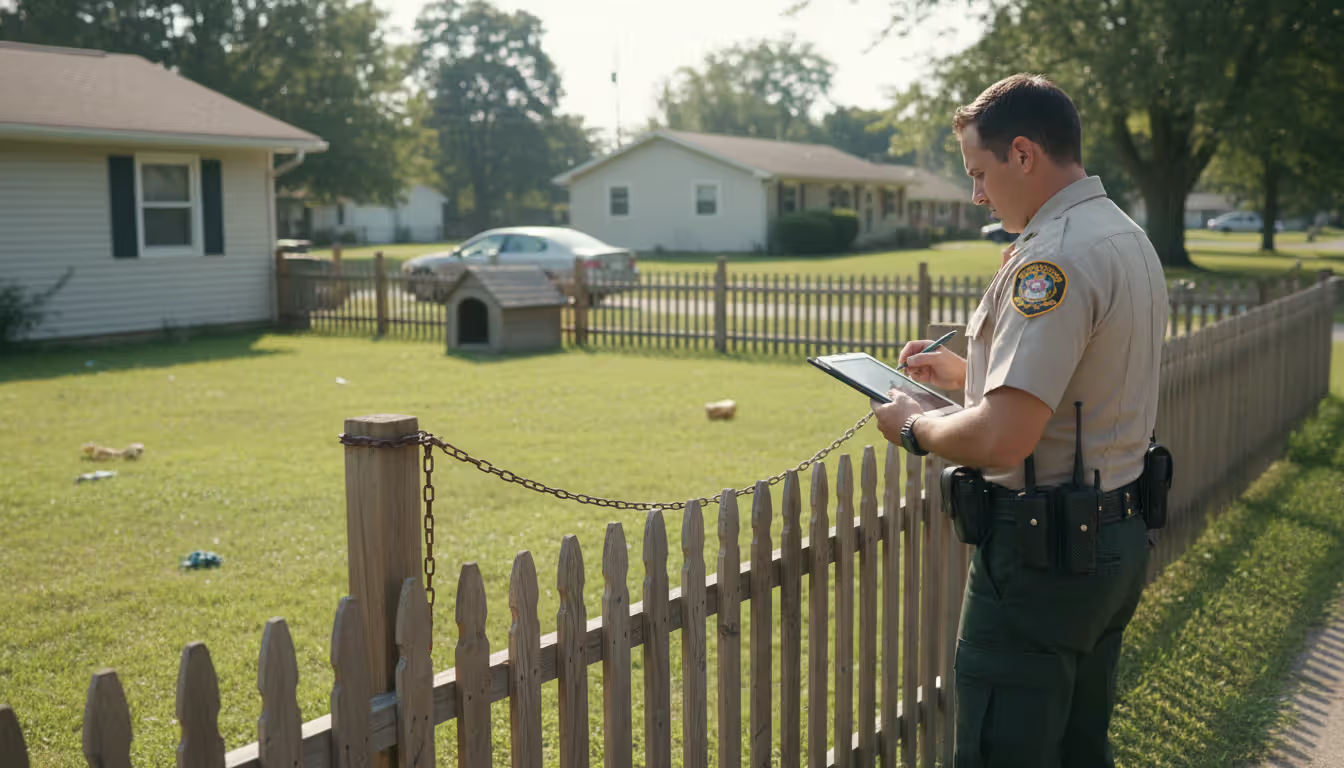
Your first call should go to local animal control. Every county and most cities have animal control departments that handle exactly this situation. Don't assume someone else already called—make the report yourself. Give them specifics: exact address, how long you've observed the situation, description of the dog's condition, any information about the former owner.
Animal control response times vary dramatically. In some jurisdictions, they'll send an officer within hours. In others, you might wait days unless the animal faces immediate danger. If you're seeing a life-threatening situation—dog in extreme heat with no water, freezing temperatures with no shelter, obvious injury—call the police non-emergency line too. Police typically defer animal issues to animal control, but they'll intervene for emergencies.
State humane societies often run cruelty hotlines. Organizations like the ASPCA in New York or local SPCAs in other states can't make arrests (in most states), but they investigate reports, document evidence, and pressure local authorities to act. Some states give humane officers legal authority to enforce animal cruelty laws, making them essentially another law enforcement resource.
When you call, use the word "abandonment" specifically. Say "I'm reporting suspected dog abandonment" rather than "there's a neglected dog." This distinction helps dispatchers categorize the call correctly and affects response priority.
Most jurisdictions accept anonymous reports, though leaving your contact information helps if investigators need follow-up details. Worried about neighbor retaliation? Anonymous reporting protects you while still getting help for the dog. Animal control won't tell the owner who called unless you agree to be a witness in court.
Get a case or reference number when you report. Write down the date, time, who you spoke with, and what they said. If nothing happens within 24-48 hours, call back and reference your case number. Sometimes reports fall through cracks, especially when agencies are overwhelmed. Your follow-up might be what gets an officer dispatched.
If local authorities won't respond or claim they can't do anything, escalate. Contact county-level animal services. Reach out to your state's animal welfare division—every state has one, though they go by different names. File a complaint with local elected officials. In extreme cases, contact local media or animal advocacy organizations. Public attention often prompts action when internal reports don't.
One critical warning: don't take the dog yourself without authorization. You're thinking "I'll just grab the dog and take it to the shelter myself." But legally, that's theft. Sounds ridiculous when you're saving an abandoned animal, but you could face criminal charges. Some jurisdictions allow citizens to take possession of clearly abandoned animals after reporting to authorities, but most require law enforcement involvement. Work through proper channels even when you're frustrated by slow response.
Keep monitoring the situation while waiting for official response. If the dog's condition deteriorates, call again and report the change. Document everything. Your detailed observations build the case against whoever abandoned the animal.
Frequently Asked Questions About Dog Abandonment Laws
Is leaving a dog tied outside a store considered abandonment?
Running into a store for 10 minutes while your dog waits outside? That's not abandonment. But here's where people get into trouble: time matters, weather matters, and whether you come back matters most of all. Leave your dog tied up for three hours in 90-degree heat? You're moving into animal cruelty territory even if you eventually return. Several states specifically prohibit leaving animals tethered without adequate supervision beyond a certain timeframe—usually 15-30 minutes. Never return at all because you forgot the dog or changed your mind? That's textbook abandonment, and the fact that you left the dog in a public area doesn't help your case. Store security cameras will show exactly when you left, and prosecutors love that kind of clear evidence.
Can I be charged if I rehome my dog through social media?
Posting "free dog, needs good home" on Facebook isn't illegal by itself. People successfully rehome dogs through social media every day without legal problems. But you're taking on real risk if you're careless about it. Hand your dog to a complete stranger you met online without any screening, and that person abandons or abuses the animal a week later? Prosecutors in some states have charged the original owner with reckless endangerment or contributing to animal cruelty. The legal theory: you knew or should have known that giving away a dog with zero vetting created risk of harm. Responsible rehoming means asking questions, checking references, maybe doing a home visit, requiring an adoption contract, and charging a rehoming fee (even $50 discourages people looking for free "bait dogs" or lab animals). Document everything in case questions come up later.
What happens to dogs after their owners are charged with abandonment?
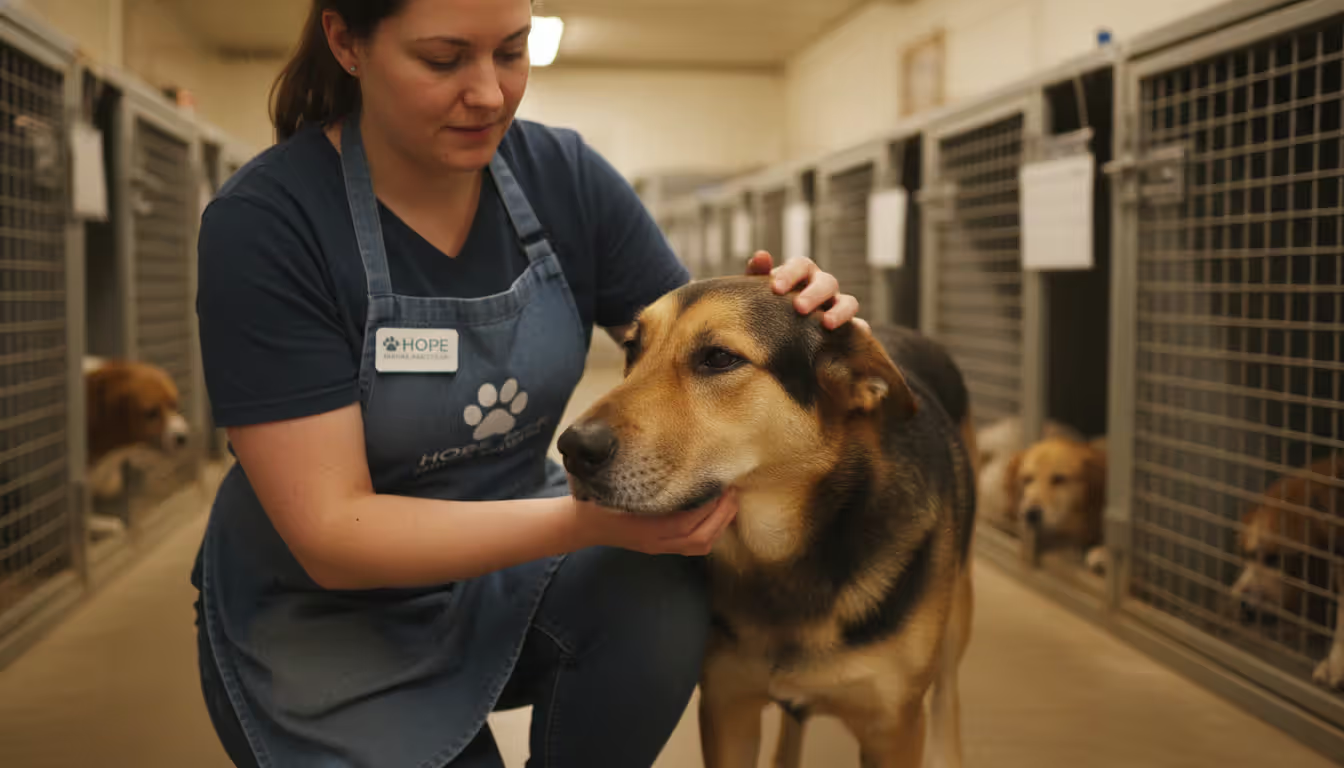
The dog enters shelter custody immediately when animal control picks it up. Once prosecutors file abandonment charges, most states allow automatic forfeiture of the animal—meaning you lose ownership rights regardless of how your criminal case turns out. Even if charges eventually get dismissed or reduced, you're not getting your dog back. The shelter provides veterinary care for any injuries or illness from the abandonment. They do a behavioral evaluation to determine adoptability. Dogs that pass go up for adoption. Dogs with serious aggression or health issues that make them unadoptable may be humanely euthanized—a reality that shelter staff hate but face regularly. And here's the financial kicker: your sentence may include paying the shelter's costs for caring for your dog from the day they picked it up until adoption or euthanasia. Daily boarding, vet care, food—it adds up to thousands fast.
How long does a dog have to be left alone to be considered abandoned?
There's no magic number that works everywhere. Some states write 24 hours into their statutes as a threshold, but most focus on the total circumstances rather than just the clock. Context matters enormously. A dog left for 36 hours with full food and water dispensers, climate control, and shelter while you're unexpectedly hospitalized? Not abandonment. That same dog locked in a vacant apartment with no food for 12 hours? Authorities could file abandonment charges as soon as they find the animal because your intent to desert it is obvious. Courts look at whether you made arrangements, whether you maintained any connection to the dog, environmental conditions, and your intent. As a practical matter, animal control typically starts investigating when someone reports a dog has been alone more than a day or two, but charges can come faster if the situation is clearly dangerous.
Can landlords be held responsible if a tenant abandons a dog?
Generally no—landlords aren't criminally liable for their tenants' actions unless they actively helped with or knew about the abandonment. But once you discover an abandoned animal on your rental property, you've got legal responsibilities. You can't just leave the dog there. Most state laws require landlords to contact animal control within a reasonable timeframe after discovering abandoned animals, usually 24-48 hours. A landlord who finds an abandoned dog during a move-out inspection and just locks the apartment back up could face neglect charges for failing to act. The smart move: call animal control immediately, document everything with photos and written notes, and keep records of your report. You can pursue civil action against the former tenant for costs related to the abandoned animal's removal and any property damage, but that's separate from the criminal case the tenant faces.
Does microchipping affect abandonment cases?
Microchips make abandonment prosecutions way easier, which is exactly why animal advocates push for mandatory microchipping laws. Authorities find an abandoned dog, scan for a chip, pull up your registration, and suddenly prosecutors have definitive proof you owned the animal. You can't claim "that's not my dog" or "I don't know what you're talking about." Some people think abandoning a microchipped dog creates no liability if they just ignore calls from animal control. Wrong. That microchip registry showing your name and contact information is prosecution exhibit A. Courts see your failure to respond as evidence of intent to abandon. A few states have passed or proposed laws requiring microchipping specifically to reduce abandonment and improve accountability. If you properly rehome your dog through legal channels, update that microchip registration to the new owner's information immediately—otherwise you could face liability if that person abandons the animal later.
Walking away from a dog creates legal consequences that can follow you for years. Criminal record. Thousands in fines and restitution. Jail time. Permanent bans on ever owning another animal. States have gotten progressively tougher on abandonment over the past decade because legislators and courts increasingly recognize this as a serious crime, not just an inconvenience.
But here's what matters if you're struggling with your dog right now: you've got legal options. Shelter surrender programs exist in every community. Rescue organizations specialize in rehoming. Some areas offer resources for people facing temporary hardship—foster programs, pet food banks, low-cost veterinary care. These alternatives exist specifically so you don't end up facing abandonment charges while your dog suffers or dies.
Spotted a dog you think has been abandoned? Your report to animal control or police might save that animal's life. Document what you're seeing, call the right authorities, and follow up. Don't assume someone else already called. Don't wait for the situation to get worse.
Laws vary dramatically depending on where you live, but the direction is clear: abandonment brings real criminal penalties everywhere, and enforcement is getting stricter. Know your legal obligations, know your options, and know that walking away is always the wrong choice—morally and legally.
When your dog bites someone inside your home or on your property, you face potential legal liability, insurance complications, and serious consequences. Understanding homeowner liability laws, insurance coverage, and your responsibilities can mean the difference between a manageable situation and financial devastation
Police K9 attacks can cause severe injuries and lasting trauma. Understand when you can sue for excessive force, how government liability works, what compensation you may recover, and the critical steps to protect your rights after a police dog bite incident
When your dog attacks another dog, euthanasia is not automatic. The outcome depends on injury severity, bite history, state laws, and circumstances. Understanding the dangerous dog declaration process, your rights during hearings, and legal consequences helps you navigate this crisis effectively
A severe dog attack requires immediate medical attention and legal action. Learn critical steps to take after being mauled by a dog, including emergency care priorities, reporting procedures, documentation methods, victim legal rights, and available compensation for injuries and trauma
The content on this website is provided for general informational and educational purposes only. It is intended to explain concepts related to animal law, pet ownership rights, service animals, dog bite liability, and animal welfare legislation in the United States.
All information on this website, including articles, guides, and examples, is presented for general educational purposes. Legal outcomes may vary depending on jurisdiction, state laws, and individual circumstances.
This website does not provide legal advice, and the information presented should not be used as a substitute for consultation with qualified attorneys or animal law professionals.
The website and its authors are not responsible for any errors or omissions, or for any outcomes resulting from decisions made based on the information provided on this website.