Young woman sitting on a couch in a bright apartment with a Labrador service dog in a vest lying next to her and an official letter on the coffee table
Looking for an apartment when you have a service dog or emotional support animal? You'll likely hit the "no pets allowed" wall pretty fast. Here's what most tenants don't realize: a properly written letter from your healthcare provider isn't asking for special treatment—it's documenting rights you already have under federal law.
I've seen tenants make two big mistakes. First, they sign leases with pet clauses and pay pet deposits, then try to backtrack later. Second, they grab one of those $150 "instant ESA letters" from sketchy websites and wonder why their landlord laughed them out of the office.
Getting this right means understanding what goes in the letter, who can write it, and exactly what your landlord can (and absolutely cannot) ask you about your disability or animal.
What Is a Service Dog Letter for Housing
Think of this as your healthcare provider putting your housing rights in writing. The housing accommodation service animal letter comes from someone licensed to treat you—a therapist, doctor, psychiatrist, or similar professional. They're confirming two things: you have a disability, and your animal helps with it.
Here's where people get confused. Those "official registration" websites? Complete scam. Certificates claiming your dog is a "certified ESA"? Meaningless paper. Real documentation comes from real healthcare relationships.
Service dogs do actual work. A dog that guides someone with vision loss through their apartment complex, alerts before seizures hit, or physically interrupts self-harm behaviors—that's task-trained assistance. Training takes months or years.
Emotional support animals work differently. Your cat doesn't need to perform specific tasks. The benefit comes from companionship and presence that eases anxiety, depression, or other mental health conditions. No special training required, but you still need proper documentation.
Both types get housing protection. Your landlord can't tell the difference between "pet" and "assistance animal" without documentation, which is exactly what this letter provides.
The document doesn't ask permission. Property owners sometimes act like they're doing you a favor by "allowing" your service dog. Wrong framing entirely. Federal law obligates them to accommodate disabilities. Your letter just starts that legally required conversation.
Housing rules differ completely from public access laws. Your emotional support dog can't join you at restaurants or grocery stores—those fall under different regulations. But in your home? The Fair Housing Act covers both service dogs and ESAs equally.
Landlords frequently mess this up. They'll say things like "only blind people can have service dogs" or "we don't allow pit bulls, no exceptions." Neither statement holds up legally when proper documentation gets submitted.
Author: Samantha Loring;
Source: jamboloudobermans.com
Legal Rights Under the Fair Housing Act
Federal housing law treats disability discrimination seriously. The Fair Housing Act makes landlords accommodate disabilities, including allowing assistance animals even in buildings that ban pets outright. Your service dog letter for housing rights triggers these protections once submitted properly.
Most housing falls under FHA coverage—apartments, condos, HOAs, single-family rentals. A few narrow exceptions exist (owner-occupied buildings with four units or less, some religious housing), but property management companies and large landlords can't dodge these requirements.
Here's something that surprises people: housing law casts a wider net than the Americans with Disabilities Act. ADA defines service animals narrowly—dogs (or miniature horses) trained for specific tasks only. The FHA uses broader language around "assistance animals," which includes emotional support animals that provide therapeutic benefit without task training.
Practical difference? Your emotional support cat has zero right to accompany you into Target. But your landlord can't ban that same cat from your apartment just because they maintain a "no pets" policy.
Pet fees disappear when you have an assistance animal. No pet deposits. No monthly pet rent. No higher security deposits charged specifically because you have a service dog. Housing providers hate this part, but the law stays clear—fees related to pets don't apply to disability accommodations.
You're still liable for damage, though. If your dog tears up carpet or your ESA destroys blinds, expect repair costs deducted from your security deposit. The protection prevents upfront fees, not accountability for actual destruction.
Fair housing act service animal documentation requests have limits. Landlords can verify you have a disability and that your animal provides disability-related assistance. They cannot demand your medical records, detailed diagnosis, or proof that your dog passed training certification (which doesn't exist officially anyway).
When your service dog performs obvious tasks—guiding you around obstacles, retrieving dropped items—even requesting documentation might be unnecessary. Most tenants provide letters anyway because it prevents arguments.
HUD enforces these protections. File a complaint when landlords illegally deny assistance animals, and the Department of Housing and Urban Development investigates. Some cases result in landlords paying fines or damages.
Property owners have affirmative obligations here. They can't just say 'sorry, no animals' and consider their job done. The law requires engaging with accommodation requests and providing sound legal reasons for any denial
— Margaret Chen
What to Include in Your Service Dog Letter
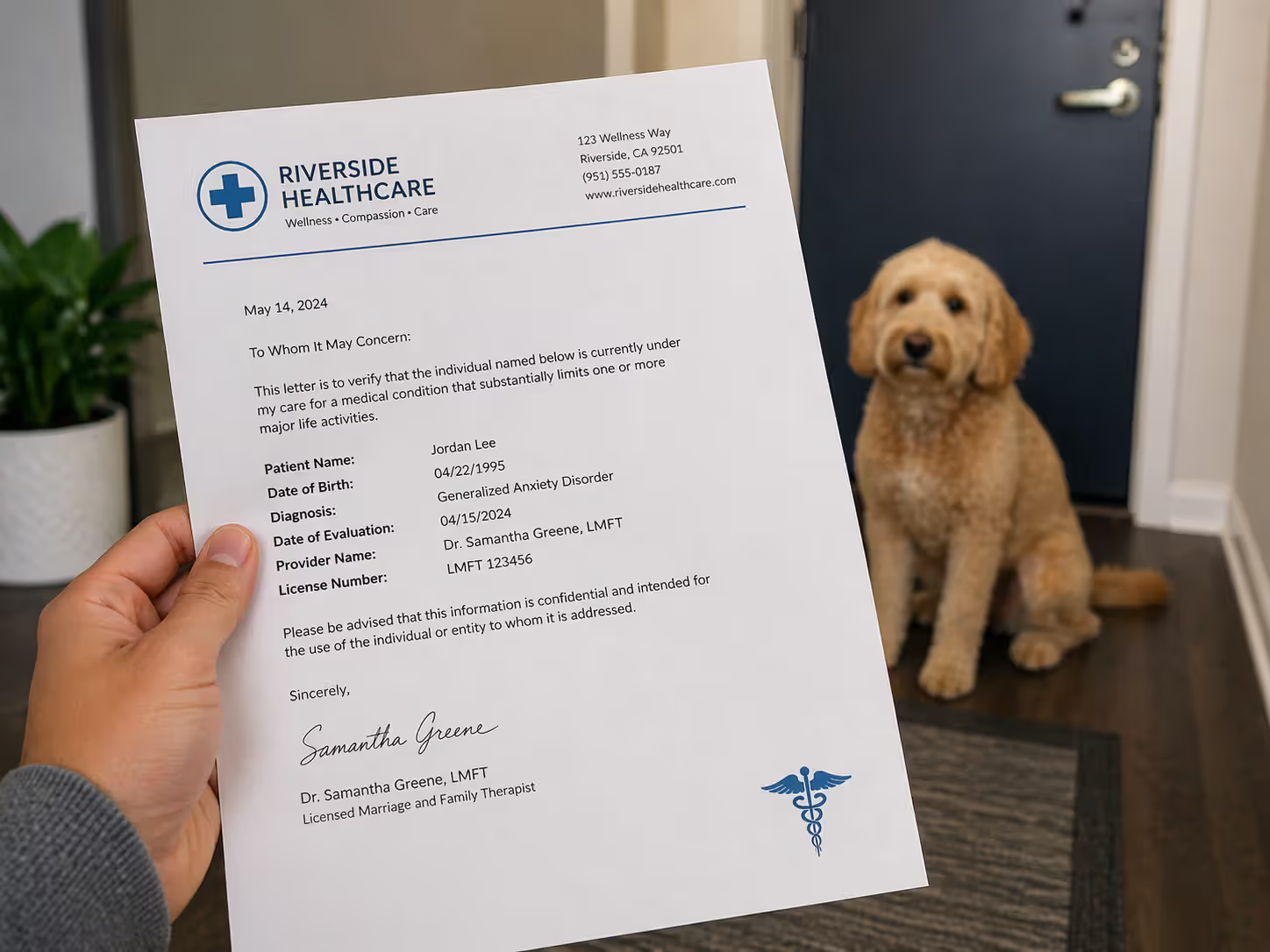
Valid documentation follows a specific formula. Your healthcare provider's letterhead should show their full name, professional license type, license number, and how to contact them. Credentials matter enormously—they must hold an active license in your state and have an actual treatment relationship with you.
The letter needs to confirm disability exists as housing law defines it. Notice I didn't say "name your diagnosis." That's intentional. Oversharing medical details creates privacy risks without adding legal value.
Appropriate language sounds like: "This patient has a condition that substantially limits major life activities." That establishes disability status without revealing whether you have PTSD, depression, anxiety, or something else entirely.
Next comes the critical connection between your disability and animal. Phrases like "this patient requires an emotional support animal as part of ongoing treatment" or "a service dog helps manage disability-related symptoms" create that necessary link.
What kills otherwise valid letters? Expiration dates (unnecessary and potentially limiting), animal registration numbers (meaningless legally), behavioral promises ("this dog will never cause problems"), or wishy-washy language like "might benefit from" instead of "needs."
Your emotional support dog letter to landlord should be recent—ideally within the past year. No law specifies exact timeframes, but documentation from three years ago raises questions about whether your need continues.
If you've been seeing the same therapist for five years, they can write this based on your established relationship. You don't need a fresh diagnosis or recent hospitalization. Ongoing treatment relationships actually make stronger documentation than one-off appointments.
Service Dog vs ESA Letter Requirements
Service dog handlers often need less paperwork. When tasks are observable—your dog guides you through doorways, alerts before migraines, provides balance support—landlords can't demand extensive documentation. A simple statement from you describing your dog's trained tasks may suffice.
Psychiatric service dogs occupy trickier territory. They perform real tasks (conducting room safety checks for PTSD, applying deep pressure during panic attacks, interrupting dissociative episodes), but these tasks aren't always visible to observers. A letter from your mental health provider clarifies the distinction between task-trained psychiatric service dogs and emotional support animals.
ESAs always require healthcare provider letters because the benefit comes from presence rather than performance. The provider must actually know you and your treatment needs. Legitimate telehealth relationships can produce valid letters, but those require real video consultations and clinical assessment—not five-minute online forms.
Sample Letter Contents and Format
Properly formatted documentation might read:
To Whom It May Concern:
I am a licensed clinical social worker in California, license #12345. I have provided treatment services to since January 2023 for a disability-related condition.
This individual has a qualifying disability under federal housing law. As part of their treatment plan, requires an emotional support animal to help manage symptoms associated with their condition. The animal's presence is necessary for [Patient Name] to fully use and enjoy their dwelling.
Please contact me at with questions regarding this accommodation request.
Sincerely
Notice what's missing: no diagnosis revealed, no description of the animal, no promises about behavior, no expiration date. The letter establishes need while protecting medical privacy.
Author: Samantha Loring;
Source: jamboloudobermans.com
How to Obtain a Valid Housing Accommodation Letter
Start with providers already treating you, if possible. Your current therapist, psychiatrist, or doctor already understands your condition and how your animal helps. They're ideal letter sources.
Book an appointment specifically to request housing documentation. Come prepared to discuss how your animal alleviates disability-related symptoms. Be honest—providers spot exaggerated claims quickly, and fraudulent requests undermine protections for people with genuine needs.
Not currently in treatment? You'll need to establish care with a licensed provider first. This takes time—expect at least one thorough evaluation, possibly several sessions, before providers feel comfortable documenting disability and need. They're putting their professional license behind this statement.
Legitimate telehealth services exist and work fine. But they should include video consultations, clinical interviews, and actual assessment of your condition. Red flag if the "evaluation" consists of checking boxes on a form.
Costs vary wildly. Some providers include documentation as part of regular treatment at no extra charge. Others charge administrative fees from $50-$200 for writing letters. Your insurance probably won't cover these costs since they're considered administrative rather than clinical services.
Watch out for scam operations charging $150+ for "instant approval" or "guaranteed letters." Real healthcare providers evaluate whether you actually qualify before writing documentation. Legitimate services don't promise everyone gets approved.
Timeline matters when apartment hunting. Request letters 2-3 weeks before you need them. Providers need time to write, review, and send documentation. Rushing creates errors and may not be possible if your provider has limited appointment availability.
Red flags for fake services: instant approval without consultation, claims that animals must be "registered," promises of lifetime validity, guarantees that all landlords must accept their documentation. Real providers assess qualification rather than selling letters to anyone willing to pay.
When Can a Landlord Deny Your Service Dog Letter
Legitimate denial grounds exist, though they apply narrowly. A landlord refusing service dog letter might legally prevail if documentation comes from someone unlicensed, contains obvious fraud, or fails to establish the disability-animal connection. Letters from online mills with no genuine provider relationship often fall into these categories.
Can landlord deny service dog letter requests based on what type of animal you have? Sometimes, yes. The law requires "reasonable" accommodations. Most common animals qualify easily. Requests for illegal animals (your county bans exotic pets), animals posing direct threats, or animals that fundamentally alter how housing operates might face denial.
Direct threat means substantial risk of serious harm that can't be eliminated through reasonable modifications. This requires evidence about your specific animal—not breed stereotypes or general fears. Your particular pit bull can't be banned because landlords think pit bulls are scary. However, if your specific dog has documented bite incidents, that history might support denial.
Undue financial or administrative burden creates another potential denial ground. In practice, this threshold sits extremely high. Installing a dog door or allowing outdoor access might be required modifications. Completely rebuilding your unit's layout wouldn't be.
Documentation problems cause many denials that could be avoided. If your letter lacks required elements, comes from an inappropriate source, or looks fraudulent, landlords can reject it. They must explain what's wrong and give you opportunity to submit corrected documentation.
Housing providers cannot deny accommodation because neighbors complain about noise, they personally prefer cats to dogs, or they feel uncomfortable around large animals. Preferences don't override civil rights. Actual disturbances require addressing specific behaviors, not automatic removal of the animal.
Size and breed restrictions generally fall away for assistance animals. Your housing provider cannot impose a 25-pound weight limit, ban specific breeds, or restrict you to "apartment-appropriate" dogs. Only direct threat posed by your individual animal—not breed characteristics—permits denial.
Author: Samantha Loring;
Source: jamboloudobermans.com
Common Landlord Rules and Tenant Mistakes
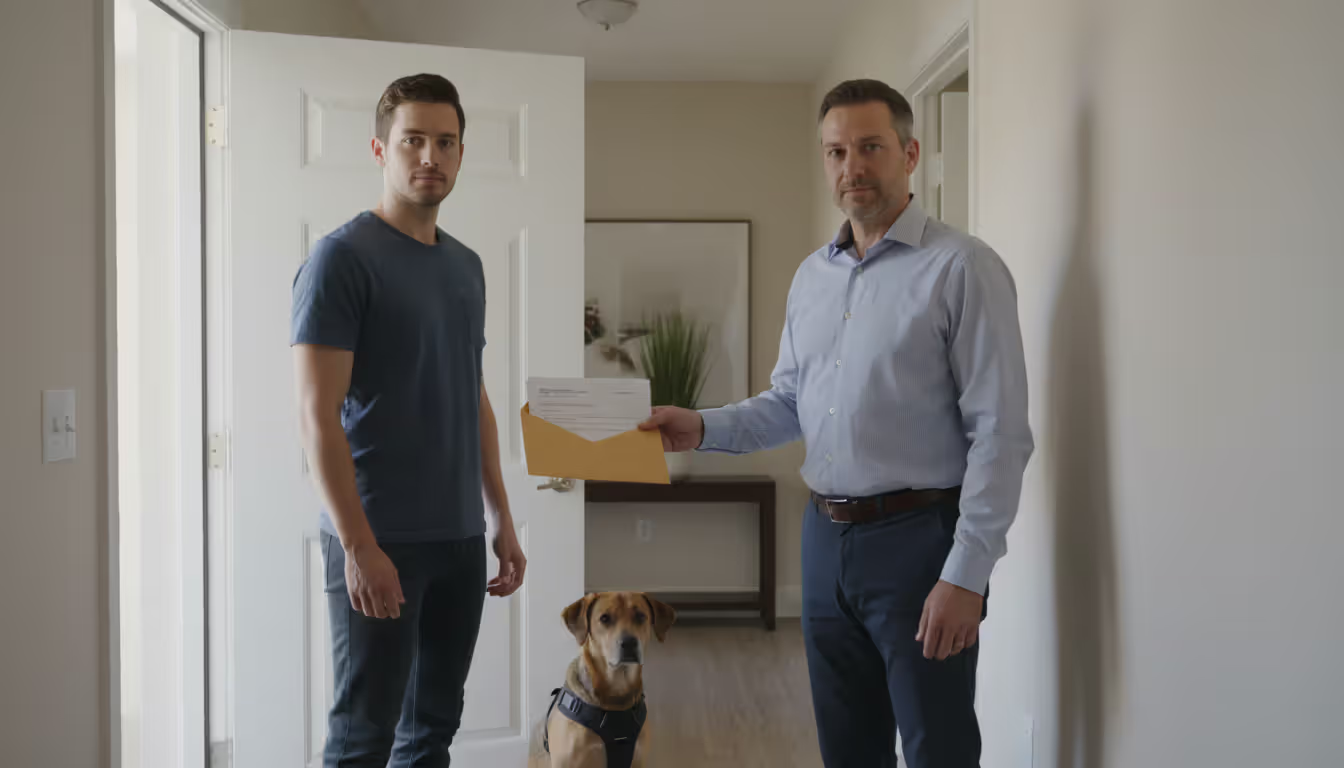
Smart timing prevents conflicts around landlord rules emotional support animal letter requirements. Present documentation after your rental application gets approved but before signing the lease. This avoids questions about whether disability discrimination affected approval decisions.
You can also request accommodation after moving in when your need arises. Maybe you've lived somewhere for a year and recently got an emotional support cat. Submit your documentation then. The law doesn't require you to have your animal on day one.
Avoid signing pet addendums or paying pet deposits before submitting accommodation requests. Once you've agreed to pet lease terms, arguing later that your animal is actually an assistance animal becomes complicated. Get ahead of it.
Damage liability continues regardless of your animal's legal status. If your service dog chews baseboards or stains floors, you're paying for repairs beyond normal wear. The pet deposit prohibition doesn't grant immunity from destruction your animal causes.
Lease addendums specifically for assistance animals are acceptable if they address legitimate concerns without imposing pet fees. Requiring immediate removal of animals that pose direct threats, maintaining renters insurance, or cleaning up waste in common areas—all reasonable. Charging monthly fees or restricting where your service dog can accompany you within the property—not reasonable.
Documentation renewal confuses many tenants. While your letter should be recent when initially requesting accommodation, landlords cannot demand annual renewals absent changed circumstances. If you've lived somewhere three years with your ESA, the landlord cannot suddenly demand updated letters unless something suggests your need no longer exists.
Multiple animals require separate justification. One ESA doesn't automatically entitle you to three. Each animal needs independent documentation of disability-related need. Two cats might both be necessary for some conditions. A dog, cat, rabbit, and bird collection requires stronger justification.
Criteria
Service Dog
Emotional Support Animal
Training requirement
Must perform disability-related tasks through specialized training
Provides therapeutic benefit through presence; no task training required
Documentation needed
Often unnecessary if tasks are observable; helpful for psychiatric service dogs with non-visible tasks
Healthcare provider letter always required to establish disability-related need
Fair Housing Act protection
Full housing accommodation rights regardless of pet policies
Full housing accommodation rights regardless of pet policies
ADA public access
Access to restaurants, stores, and all public spaces where customers go
No public access rights; housing-only protection
Public access privileges
Accompanies handler everywhere public is permitted
Stays home; no access to businesses or public venues
What documentation must show
Handler can often self-describe trained tasks; provider letter adds credibility when tasks aren't obvious
Provider must document disability and explain how animal alleviates symptoms
Who provides documentation
Handler describes tasks performed; healthcare provider letter helpful for non-obvious work
Licensed mental health professional, physician, or qualified healthcare provider with actual treatment relationship
Frequently Asked Questions About Service Dog Letters for Housing
Does my landlord have to accept my service dog letter immediately?
Landlords must respond promptly, but "immediate" isn't defined in regulations. Figure on 1-2 weeks for review, possibly longer if they verify your provider's credentials. They can request additional information when initial documentation is incomplete, but cannot delay indefinitely or create bureaucratic runarounds. If weeks pass without response, send written follow-up noting the delay and requesting a specific decision timeline.
Can a landlord charge a pet deposit for a service or emotional support animal?
Absolutely not. Pet deposits, pet fees, monthly pet rent, and higher security deposits are all prohibited for assistance animals. Your landlord charges the same security deposit they charge other tenants. You remain liable for damage your animal causes beyond normal wear—if your dog scratches floors or your cat damages blinds, expect repair costs deducted from your security deposit or billed separately. But upfront fees charged specifically because you have an assistance animal violate federal law.
What happens if my landlord refuses my service dog letter?
Document everything in writing. Send a formal letter noting you submitted an accommodation request, received denial, and believe this violates fair housing law. Request reconsideration and explanation of specific denial grounds. If they maintain refusal, file a complaint with HUD, contact a local fair housing organization, or consult an attorney. Many cases settle quickly once landlords understand their legal exposure. Keep copies of everything—your accommodation request, the denial, and all related correspondence.
How long is a service dog letter valid for housing?
No federal regulation specifies expiration dates. Best practice suggests letters dated within the past year when initially requesting accommodation. Once your accommodation is approved, landlords cannot demand annual renewals unless circumstances change—you get a different animal, your provider indicated temporary need, or evidence suggests your disability or need has resolved. Some providers include language like "ongoing treatment need" to clarify the accommodation isn't temporary.
Do I need a new letter if I move to a different rental property?
Technically yes, since you're making a new accommodation request to a different housing provider. Practically, your existing letter may work fine if it's recent and doesn't reference your previous address specifically. Some tenants request updated letters when moving; others submit existing documentation. If your letter is over a year old or circumstances have changed, getting updated documentation before apartment hunting prevents approval delays.
Can my landlord ask what my disability is?
No. Landlords can confirm that you meet the legal definition of having a disability and that your animal provides disability-related assistance. They cannot ask about your specific diagnosis, request medical records, or demand detailed information about your condition. Questions should focus on functional need for accommodation, not your medical history. If your disability is obvious or already known to them, they cannot require documentation at all—though most people provide it anyway to avoid disputes.
Getting housing with a service dog or emotional support animal comes down to understanding your rights and meeting your responsibilities. Valid documentation from a licensed healthcare provider establishes your legal entitlement to reasonable accommodation under federal housing law. Landlords must waive no-pet policies and cannot charge pet-related fees when you present proper paperwork.
The process works smoothly when you submit complete documentation, respond promptly to legitimate clarification requests, and maintain your animal responsibly. Problems crop up from fraudulent online letters, incomplete documentation, or misunderstanding what landlords can legally ask.
Your service dog letter for landlord review represents more than bureaucratic paperwork—it's documentation of civil rights protections. Take time to obtain legitimate documentation from a qualified provider who has actually evaluated your needs. Understand what the law requires from both parties. Most landlords comply once they grasp their obligations, and resources exist to address the minority who don't.
Housing discrimination based on disability remains illegal whether or not landlords understand assistance animal laws. Your right to reasonable accommodation doesn't depend on your housing provider's knowledge or preferences. Armed with proper documentation and understanding of fair housing protections, you can secure housing that accommodates both you and your assistance animal.
No federal law requires service dog registration, yet commercial registries market credentials as legal necessities. Understanding ADA requirements versus voluntary registration services protects handlers from scams while clarifying actual legal obligations for public access, housing, and air travel
Discover the legitimate process for designating your cat as an emotional support animal. Learn what documentation you actually need, your housing rights under federal law, and why online ESA registries are unnecessary. This guide explains ESA letter requirements, common mistakes to avoid, and the key differences between ESAs, therapy animals, and service animals
Making your dog a service dog doesn't require registration or certification. The ADA demands only that your dog be trained to perform specific tasks related to your disability. Learn what qualifies a dog as a service dog, task training requirements, your public access rights, and common mistakes to avoid
The fake service dog problem threatens legitimate handlers and businesses nationwide. Learn behavioral red flags, legal questions you can ask, state penalties for fraud, and how businesses can identify and remove fraudulent service animals while protecting disability rights
The content on this website is provided for general informational and educational purposes only. It is intended to explain concepts related to animal law, pet ownership rights, service animals, dog bite liability, and animal welfare legislation in the United States.
All information on this website, including articles, guides, and examples, is presented for general educational purposes. Legal outcomes may vary depending on jurisdiction, state laws, and individual circumstances.
This website does not provide legal advice, and the information presented should not be used as a substitute for consultation with qualified attorneys or animal law professionals.
The website and its authors are not responsible for any errors or omissions, or for any outcomes resulting from decisions made based on the information provided on this website.